en

Need Help Now? Call Us!
+86-159 9623 5291

Our team proudly offers an on-time guarantee and a 100% customer satisfaction guarantee.
Contact Online


 Home / News / Industry News / Why Does a Manual Directional Valve Feel Stiff? Causes and Fixes Guide
  2026.10.01
  Industry News
 Content
You are inside a combine harvester cab, engine at full operating speed, when you reach for the manual directional valve that switches the hydraulic implement lift. The handle resists. You pull harder, and the valve moves, but it feels wrong. A stiff manual directional valve is never a comfort issue. It is the visible symptom of unwanted drag between the spool and the bore.
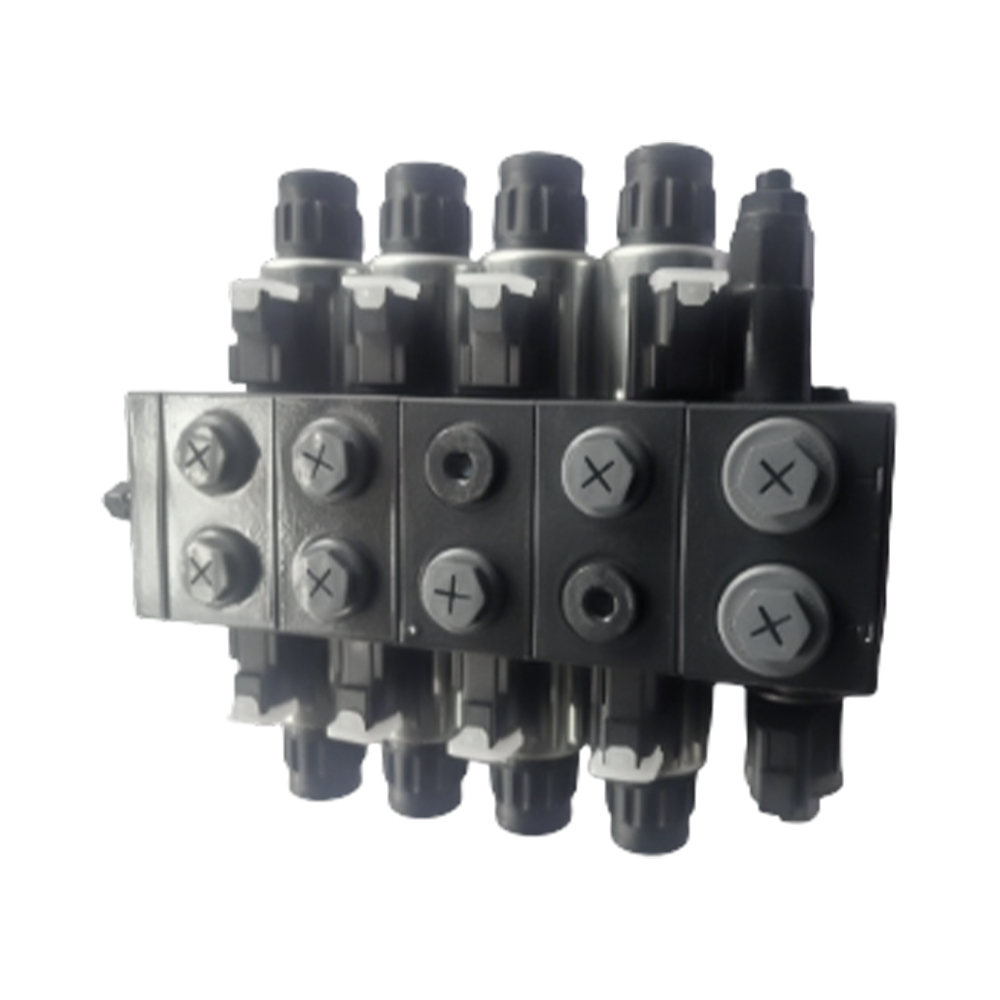
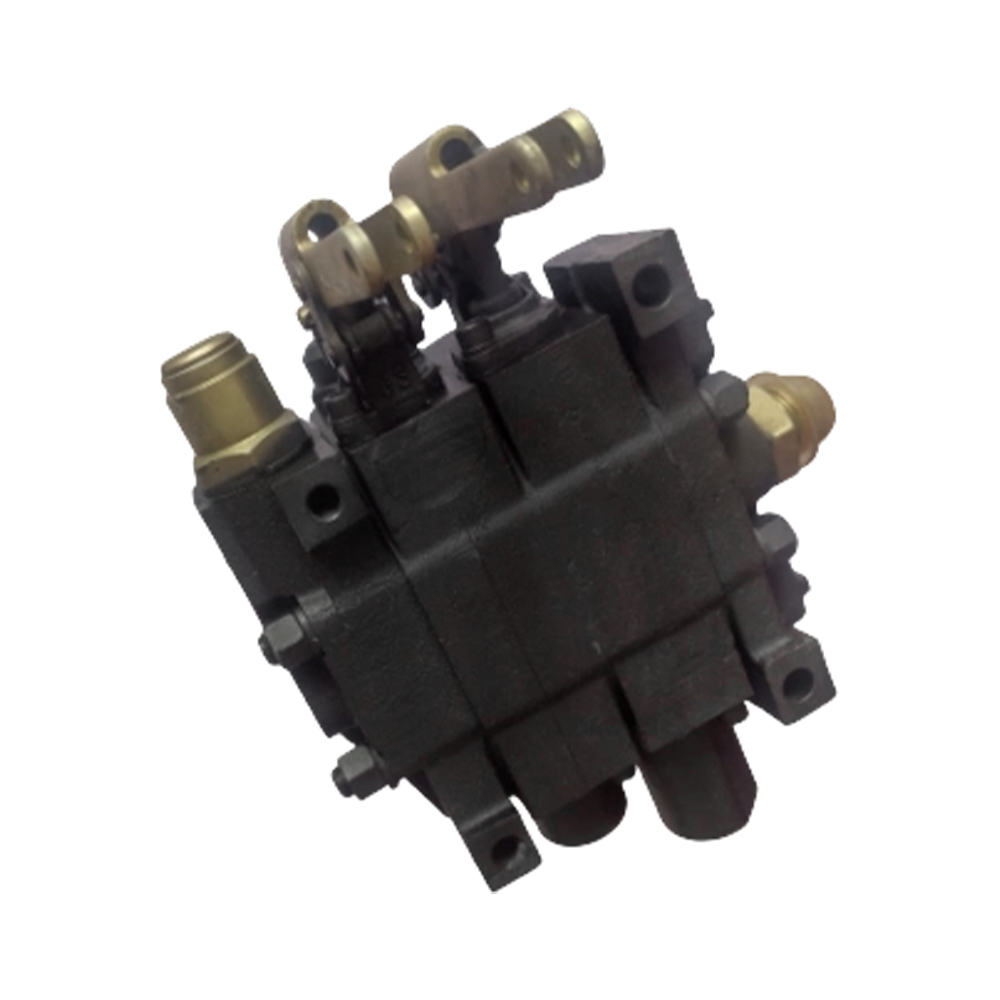 Two-Way Manual Valve for Grain Processing EquipmentThis sturdy two-way manual valve helps combine harvesters switch corn and wheat flow smoothly. Its wear-resistant body ensures leak-free operation, making it a practical choice when a stiff spool signals the need for a reliable replacement.View Product →
Anhui Zhongjia Hydraulic Technology Co., Ltd., which took over a hydraulic production line that had been running for nearly twenty years, builds manual directional valves and braking systems for agricultural and automotive OEMs. In its own service experience, a valve that grows progressively harder to move is one of the clearest early warnings of a hydraulic system that is about to decline.
Before moving into the causes, it pays to review the manual directional valve fundamentals.
A stiff manual directional valve means the friction acting on the spool exceeds the force you can comfortably apply through the handle or linkage. In a healthy valve, the spool floats in the bore on a thin film of hydraulic oil. The clearance between spool and bore is only a few microns, so any change in surface condition changes the force you feel.
Three failure categories account for nearly every stiff valve case. Contamination particles score the bore and produce a gritty, progressive drag. Seal drag caused by an incompatible or aged O-ring gives a uniform, waxy resistance. A bent spool or distorted valve body produces a high point that makes the valve easy to move in the middle of its travel but hard to push fully in or pull fully out.
Identifying which category you are dealing with is the first step in the repair. The wrong repair can waste an entire new valve when the real problem is in the fluid or the linkage.
Contamination is the number one cause of a stiff manual directional valve, and it is also the easiest condition to check with a simple fluid sample.
Every hydraulic system operates to a target ISO 4406 cleanliness code. A well-maintained agricultural or automotive system should run at 16/14/11 or better. At that level, particles stay smaller than the spool-to-bore clearance, and the spool moves freely. When the fluid gets dirty or is overheated repeatedly, silt and metal shavings collect at the valve inlet, and the spool starts to drag.
Varnish is worse than simple dirt. It is the oxidized residue of hydraulic oil that has been cooked by heat, and it polymerizes into a sticky film on the spool lands. The varnish layer is only a few microns thick, so it does not shut the valve down. It just makes the handle harder to pull with each passing week.
Field service observations from hydraulic repair shops put contamination at the top of the list, with more than half of manual valves sent in for stiffness showing fluid analysis results above 18/16/13 on the ISO scale. A filter change and a proper flush often bring the handle back to normal before any component is replaced.
A bent spool or a distorted valve body creates a constant mechanical drag that resists the stroke at both ends of the travel.
Manual directional valves are often mounted in exposed positions on tractor fenders and harvester platforms. When a valve body is clamped to an uneven surface, or the mounting bolts are pulled to a torque well above the specification, the bore can distort by a fraction of a millimeter. That is enough to close the clearance. A spool that was dropped during handling, or forced into the body during assembly, produces the same effect.
The distinctive symptom is that the valve becomes easier to move in the middle of its travel and harder to push fully in or pull fully out. If you feel a scraping high point at the stroke ends, a bent spool or distorted body is the likely cause.
Seal drag from a swollen O-ring is the third most common reason a manual directional valve becomes hard to move.
The O-rings around the spool lands are selected for a specific fluid type. A standard mineral-oil valve uses Buna-N seals. If the machine is topped up with a different fluid, or a repair kit installs a seal with the wrong compound, the O-ring absorbs fluid and swells. A swollen seal narrows the already tight bore and grabs the spool.
The time pattern is identifiable. The valve starts to feel stiff within a week or two after an oil change or a major repair. A flattened O-ring that has lost its roundness also creates drag, because the flattened edge folds into the clearance as the spool travels.
Diagnose a stiff manual directional valve by isolating the valve from the handle first, then checking the fluid, and then checking the spool and body. The order matters. Starting with the valve itself can lead you to replace a perfectly good valve when the actual problem is in the linkage.
Use this sequence and record what you feel at each step.
| Observation | Likely cause | First action |
| Drag is gritty through the middle of the stroke | Contamination or varnish | Take a fluid sample and check ISO code |
| Free in the middle, hard at both ends | Bent spool or distorted body | Loosen mounting bolts and retorque to spec |
| Stiff shortly after an oil change | Incompatible O-ring compound | Confirm seal material and replace if swollen |
| Hard only when the machine is hot | Fluid viscosity too high | Check viscosity grade for operating temperature |
A valve that still feels stiff after the fluid is clean and the seals are confirmed normally needs inspection of the spool and body. In some cases, the valve is not repairable and has to be replaced.
The simplest way to keep a manual directional valve moving freely is to keep the oil clean, the body relaxed, and the seals compatible.
With the root causes identified, preventive maintenance becomes a list of specific actions rather than a vague recommendation. The following practices are the ones that matter most in dusty agricultural and construction environments.
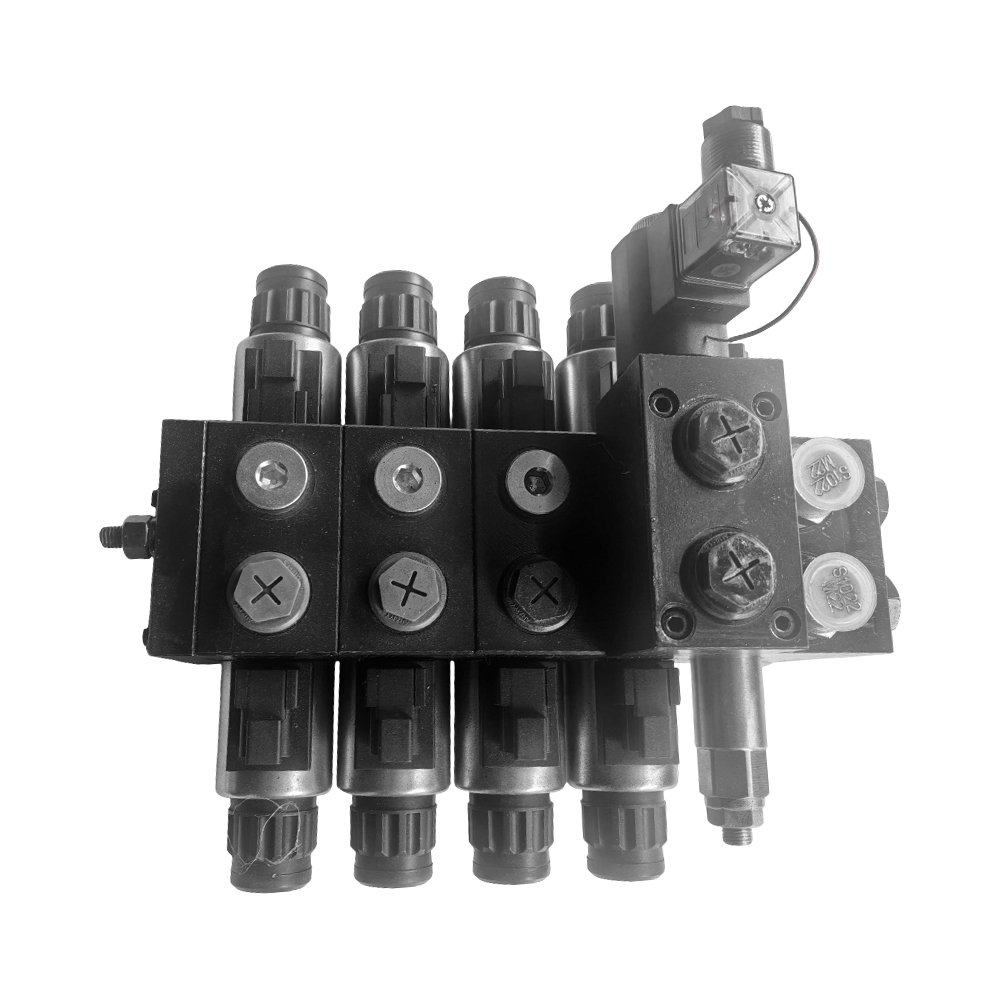
 Manual Directional Control Valves for Agricultural MachineryThese manually operated directional valves offer simple, reliable flow control without electricity. Ideal for dusty farm and construction environments, they provide a cost-effective fix when aging valves become hard to operate and need replacing.View Product →
When the valve is beyond repair, selecting the right directional control valve for the machine's flow and circuit requirements is the only reliable option. A replacement with the same spool function and flow rating prevents the system from developing new problems.
No. Grease or heavy oil holds particles against the spool and increases the risk of scoring. The correct fix is to clean the valve body and restore the correct fluid cleanliness level.
Thermal expansion reduces the spool-to-bore clearance. If the oil viscosity is too high for the operating temperature, the valve drags more when hot. Check the viscosity grade against the manufacturer's recommendation.
A new valve can have break-in drag from fresh O-rings, but the handle should still move with moderate hand pressure. Slight resistance is acceptable. Excessive force is a defect and should be reported to the supplier.
Disconnect the linkage and move the spool directly. If the spool moves without resistance, the valve is healthy and the constraint is in the linkage or actuator.
Recommended Products

Contact Info.
+86-159 9623 5291
No. 5, Chuangye Road, Niandou Industrial Park, Ma'anshan City, Anhui Province, China
MOBILE QR CODE

 English
  Español