en

Need Help Now? Call Us!
+86-159 9623 5291

Our team proudly offers an on-time guarantee and a 100% customer satisfaction guarantee.
Contact Online


 2026.10.08
  Industry News
 Content
A solenoid directional valve that will not shift when energized is a familiar stop in any hydraulic workshop. The coil feels warm, the terminal voltage reads correctly, and the spool still stays parked in its centered position. When this happens on a tractor lift or a combine harvester, the machine idles and the operator loses a work cycle. The fault is almost never the valve itself - it is almost always something the valve is connected to.
The most common cause is that the coil does not develop enough magnetic force to move the spool against the return spring. Four conditions produce that result:
In field service, roughly one third of shift failures trace back to the electrical circuit, one quarter to contamination, and the rest divide between pressure problems and mechanical wear. These are not isolated categories - they overlap, and each one narrows the diagnostic path.
Figures compiled from common field-service cases in agricultural and construction hydraulic systems.
Electrical failures cause the largest share of solenoid directional valve problems. A coil that reads an open circuit, a supply voltage that drops below the pull-in rating, or a corroded DIN connector all stop the spool before it begins to move.
Measure the coil resistance cold, then compare it to the rated value. For a 24V DC solenoid valve, a typical coil reads between 25 and 50 ohms. For a 12V DC coil, the typical range is 8 to 20 ohms. A reading at or near zero means the coil has shorted; a reading in the megaohm range means it has opened.
| Voltage rating | Typical cold resistance | Pull-in current | Common failure reading |
| 12V DC | 8 - 20 ohms | 0.6 - 1.5 A | Open circuit or short to case |
| 24V DC | 25 - 50 ohms | 0.5 - 1.0 A | Open circuit or 120+ ohms |
| 110V AC | 100 - 200 ohms | 0.3 - 0.8 A | Burned insulation, shorted turns |
Voltage drop is just as important. Put a multimeter on the coil terminals while the valve is energized. If the supply reads 24V at the battery but only 18V at the coil, a bad ground or a thin cable is stealing the force the spool needs. Coil resistance also changes with temperature, so always test the coil cold before judging it.
Field check: if you hear a click when power is applied but the spool does not move, the electrical circuit is usually fine. The fault is hydraulic, not electrical.
When the coil pulls correctly and the spool still refuses to shift, the problem is almost always hydraulic. Contamination sits at the top of the list, followed by low pilot pressure and a spool bore that has worn out of tolerance.
Pilot-operated solenoid valves need a minimum pilot pressure to move the spool. Manufacturers typically specify a range of 8 to 15 bar. If the system runs below that, the pilot oil cannot push the spool against the spring, no matter how strong the electrical signal is.
If the valve is a three-position spring-centered model, also check the centering springs. A broken spring lets the spool drift to one side and prevents it from reaching the centered position, which makes the next shift even harder.
Contamination is the second cause. A 10-micron particle inside the spool bore can create enough friction to hold the spool in place. In a combine harvester working in the field, dust and crop debris enter the system through broken seals and worn rods, so the valve body becomes the first place to inspect.
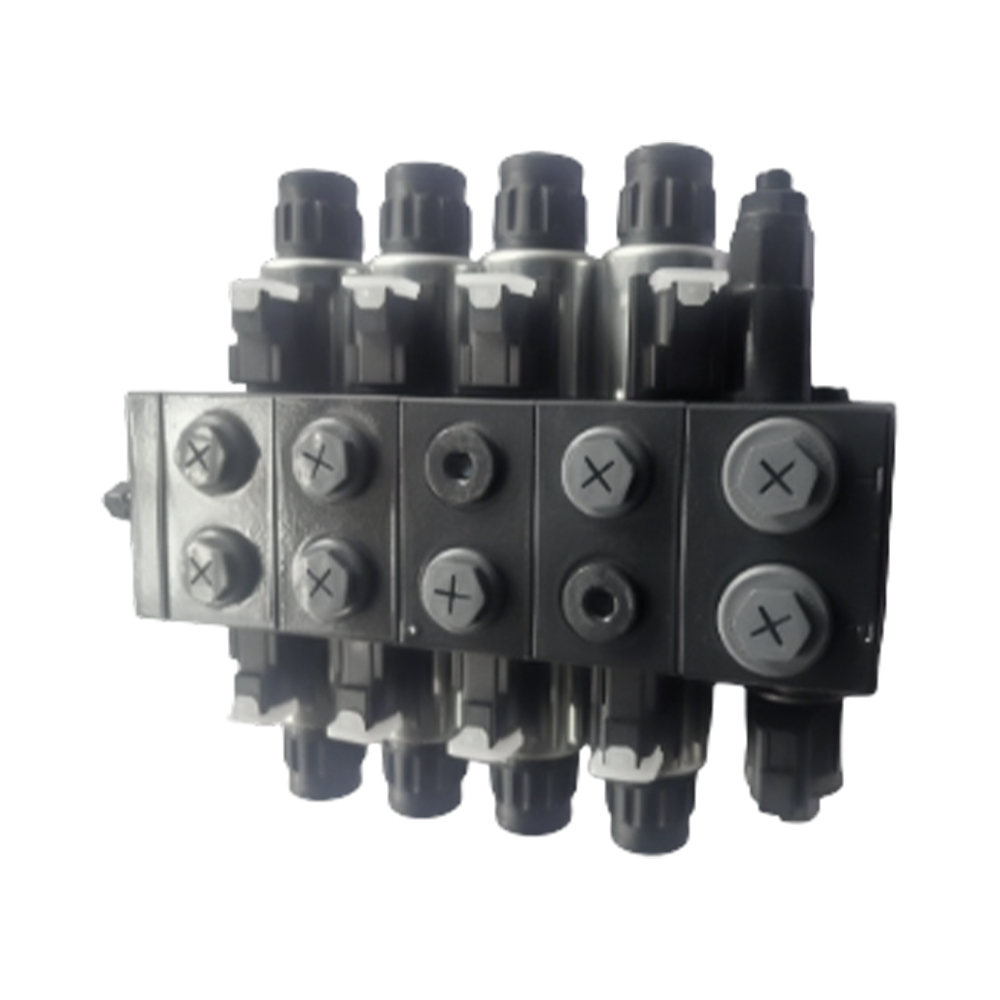 PDCF50 4-Way Solenoid Control Directional Valve for Hydraulic SystemsThis modular directional valve offers flexible function additions and robust construction, making it a reliable choice for complex motion control in agricultural and industrial machinery.View Product →
The PDCF50 series 4-way solenoid control directional valve, which Anhui Zhongjia Hydraulic Technology Co., Ltd. supplies for agricultural and industrial circuits, uses a wet-pin design that reduces internal friction. Keeping the oil clean and the pressure within the rated window is the cheapest way to keep this valve shifting reliably.
High-pressure spike warning: never run a solenoid directional valve with contamination levels above ISO 4406 code 20/18/15. Spool sticking and coil burnouts become a maintenance routine rather than an exception.
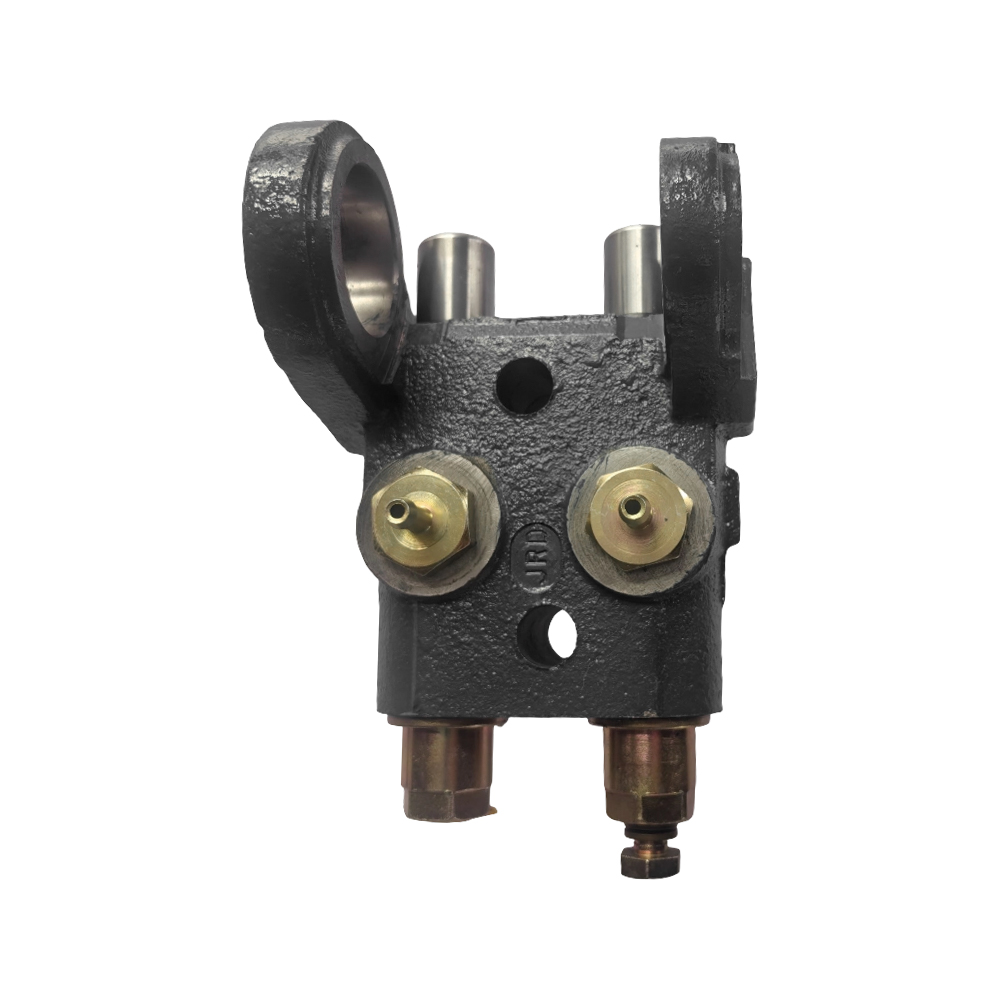
Mechanical quality decides whether a solenoid directional valve shifts reliably over its service life. A weak return spring, a deformed wet-pin tube, or a valve body selected with too small a port can all produce intermittent or permanent failure.
The wet-pin design, where the solenoid pin runs in the hydraulic oil inside the tube, changes the failure pattern compared to dry-pin solenoids. Wet-pin valves dissipate heat better but depend heavily on oil cleanliness. A scored pin or a bent tube increases friction until the magnetic force no longer overcomes it. The company's technical analysis of wet-pin solenoid design in hydraulic solenoid directional valves explains this in detail.
Valve sizing matters just as much. If a directional valve is selected with a flow rating far below the actual system flow, the pressure drop across the spool rises, the shift force drops, and the valve may stick in transition. This is especially visible on tractor lift circuits, when the valve is installed on a large hydraulic cylinder with a high flow demand.
Design checkpoint: when replacing a directional valve, confirm the spool type matches the circuit. A two-position spring-offset spool cannot replace a three-position spring-centered spool without changing the machine's fail-safe behavior.
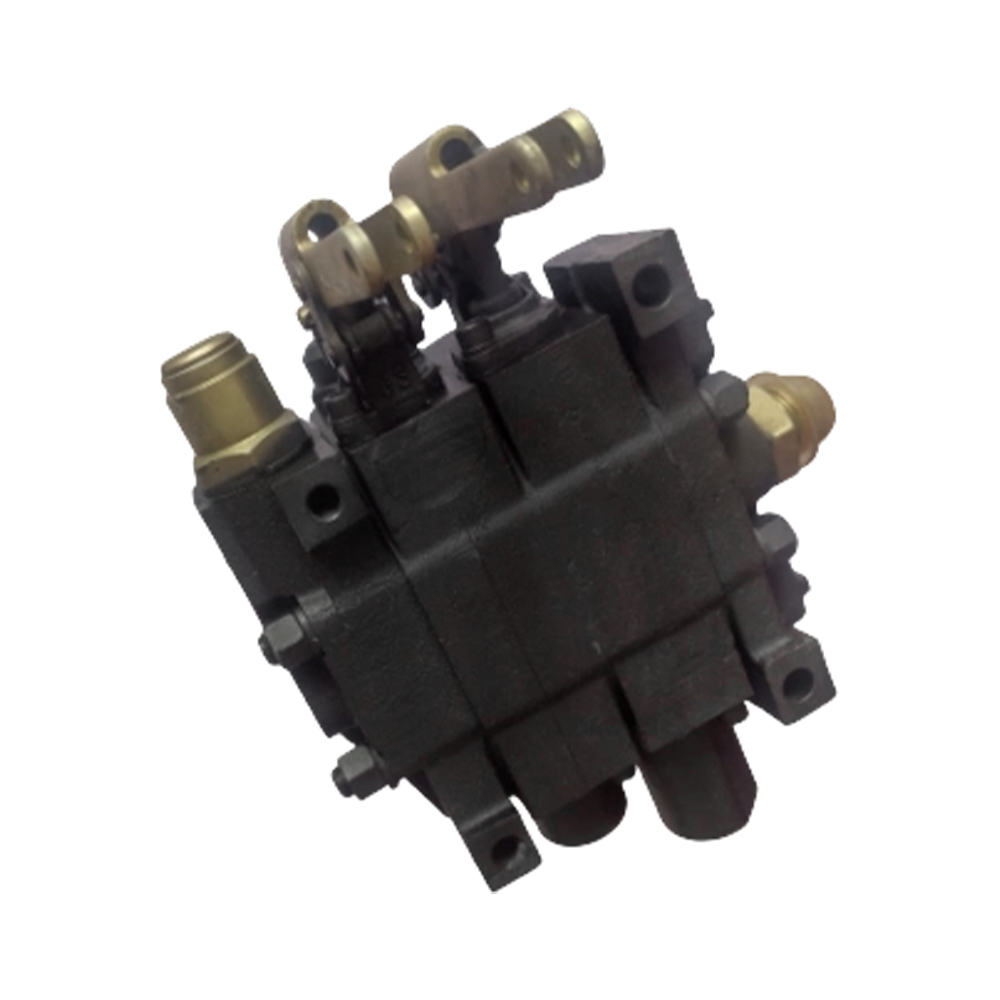
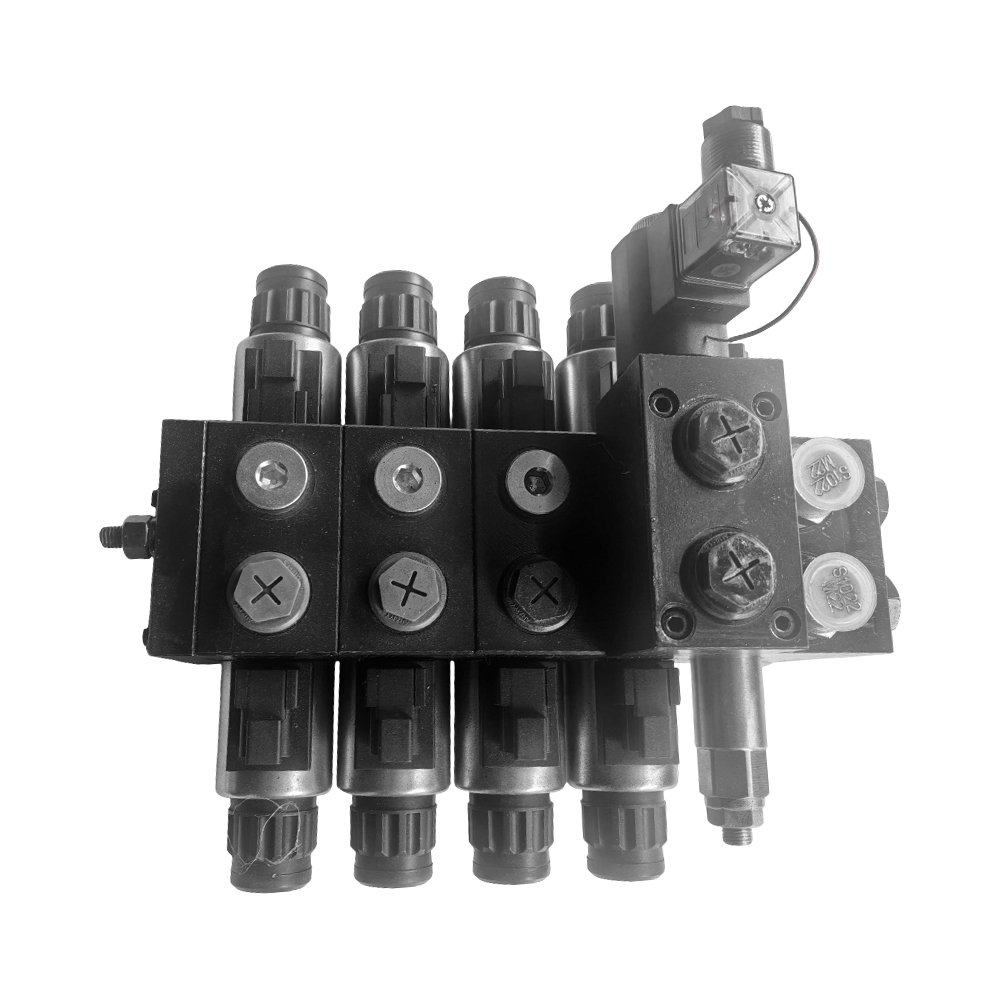 Hydraulic Solenoid Valve for Tractor Lift SystemsDesigned for large and medium tractor lifts, this electrically controlled valve ensures precise implement positioning with rapid response and durable sealing for heavy-duty operations.View Product →
Anhui Zhongjia Hydraulic Technology Co., Ltd. builds a hydraulic solenoid valve for large and medium tractor lift systems, sized for the cylinder flows of those machines.
Diagnosis follows a fixed sequence: check the electrical circuit, measure the pressure, inspect the spool, and only then open the valve body. Changing parts before this sequence wastes time and often leaves the original fault untouched. Make sure the pilot line is clear before blaming the valve, because a blocked pilot filter or a collapsed pilot hose produces the same symptom as a failed coil.
Time rule: a well-organized diagnostic sequence takes under 30 minutes. Swapping parts without a test takes hours and creates a new problem downstream.
If the valve has a replaceable coil or a standard spring kit, repairing it is usually cheaper than the full replacement. But once the spool bore is scored or the housing is cracked, repair stops being an option.
| Condition found | Action | Reason |
| Coil burnt out | Replace coil only | Spool and body are still within tolerance |
| O-ring or seal leak | Replace seal kit | Rebuild is cost-effective without machining |
| Weak return spring | Replace spring kit | Springs are standard parts in service kits |
| Scored spool bore | Replace valve | Bore wear changes internal clearances permanently |
| Cracked housing | Replace valve | A cracked body is a safety risk under pressure |
The same decision logic applies to the return spring. A spring kit is a low-cost repair, while a complete valve replacement changes the valve characteristics in the circuit. Match the new flow rating to the system before ordering, because a valve with a larger rated flow than the circuit needs will shift faster but produce deeper pressure spikes.
A humming solenoid means the coil is energized but the armature cannot pull fully into it. Clean the spool, check the supply voltage, and confirm the oil pressure at the valve inlet. If the noise is a buzz rather than a click, the coil is likely drawing more current than the valve can produce force for.
Yes. Set the multimeter to resistance mode, disconnect the coil, and compare the reading to the rated value printed on the coil. A reading in the megaohm range means the coil has opened; a reading close to zero means it has shorted. A normal reading does not prove the coil produces enough magnetic force.
Immediate failure usually points to a system issue and not to the valve. The three common culprits are debris left in the lines from earlier repairs, a supply voltage that exceeds the coil rating, or a pump that cannot reach the pilot pressure the valve requires.
For most pilot-operated solenoid directional valves, the manufacturer specifies a minimum pilot pressure of 8 to 15 bar. Direct-acting valves do not need pilot pressure because the solenoid moves the spool directly, but the magnetic force available is smaller, so contamination becomes a bigger risk.
Recommended Products

Contact Info.
+86-159 9623 5291
No. 5, Chuangye Road, Niandou Industrial Park, Ma'anshan City, Anhui Province, China
MOBILE QR CODE

 English
  Español