en

Need Help Now? Call Us!
+86-159 9623 5291

Our team proudly offers an on-time guarantee and a 100% customer satisfaction guarantee.
Contact Online


 2026.08.17
  Industry News
 Content
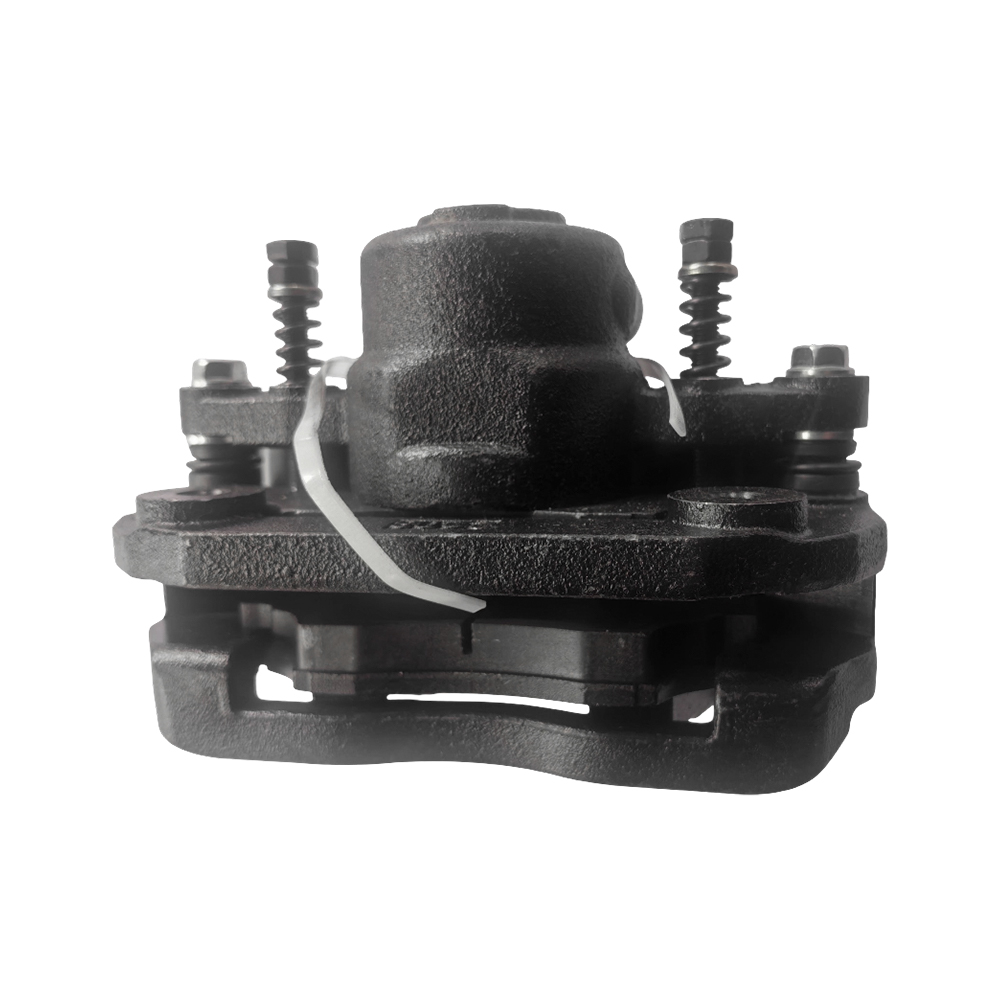
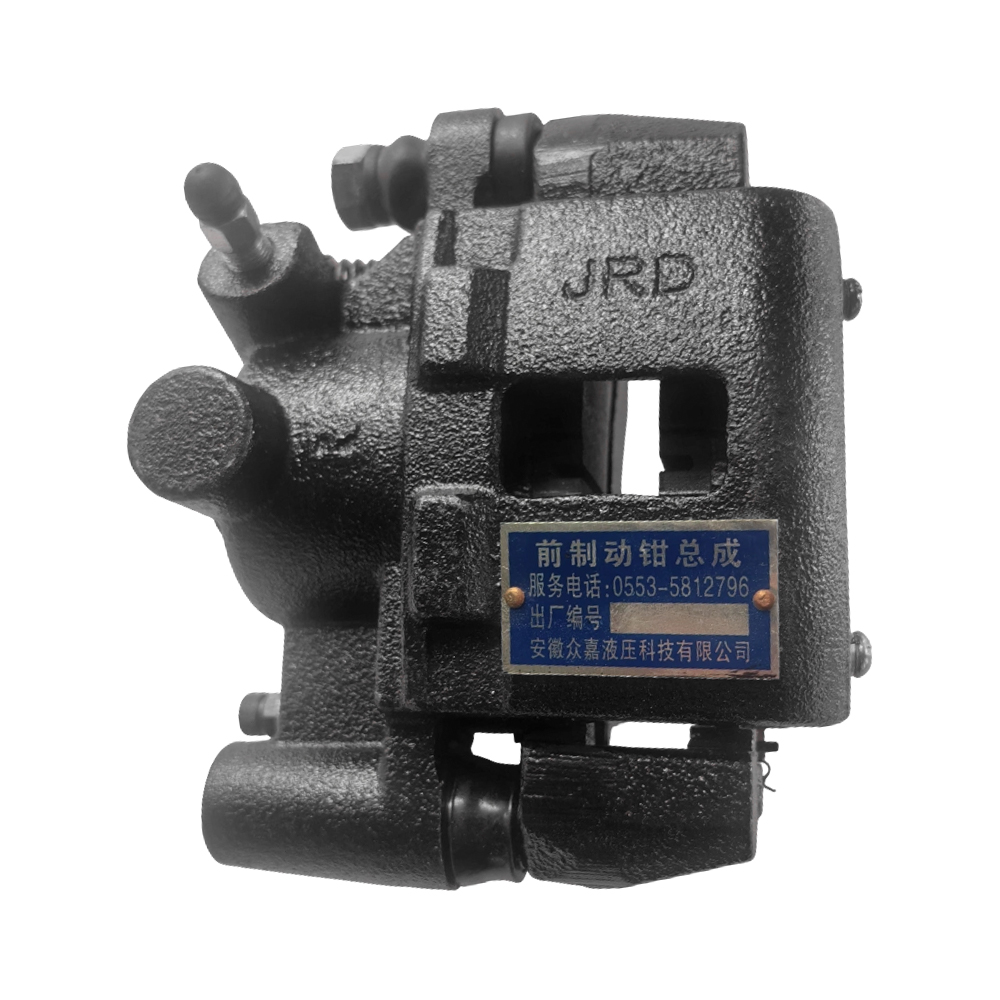
For operators and maintenance teams working with heavy equipment, few issues are as persistent and potentially dangerous as brake overheating. When a Construction Machinery Braking System overheats, stopping distances increase, component wear accelerates, and safety margins shrink dramatically. Understanding why these systems generate so much heat is the first step toward effective prevention and longer service life.
Brake overheating is fundamentally a physics problem. Every time a machine slows down, kinetic energy transforms into thermal energy through friction. For construction equipment, this energy conversion is massive. A 50-ton wheel loader traveling at 25 km/h carries approximately 1.2 megajoules of kinetic energy. Bringing it to a stop converts that energy into heat, concentrated across the brake friction surfaces. This is why construction machinery braking systems face thermal challenges that passenger vehicles never encounter.
Several factors combine to make overheating a chronic challenge in this industry:
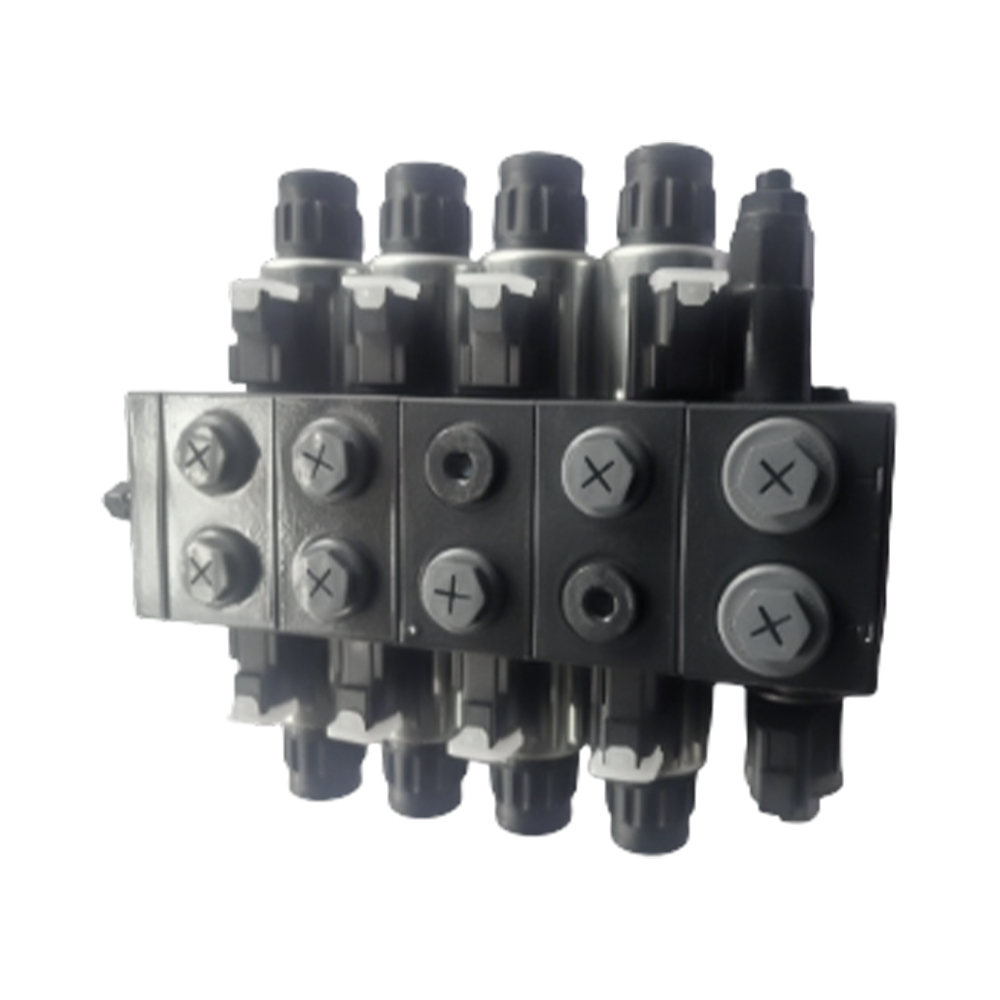
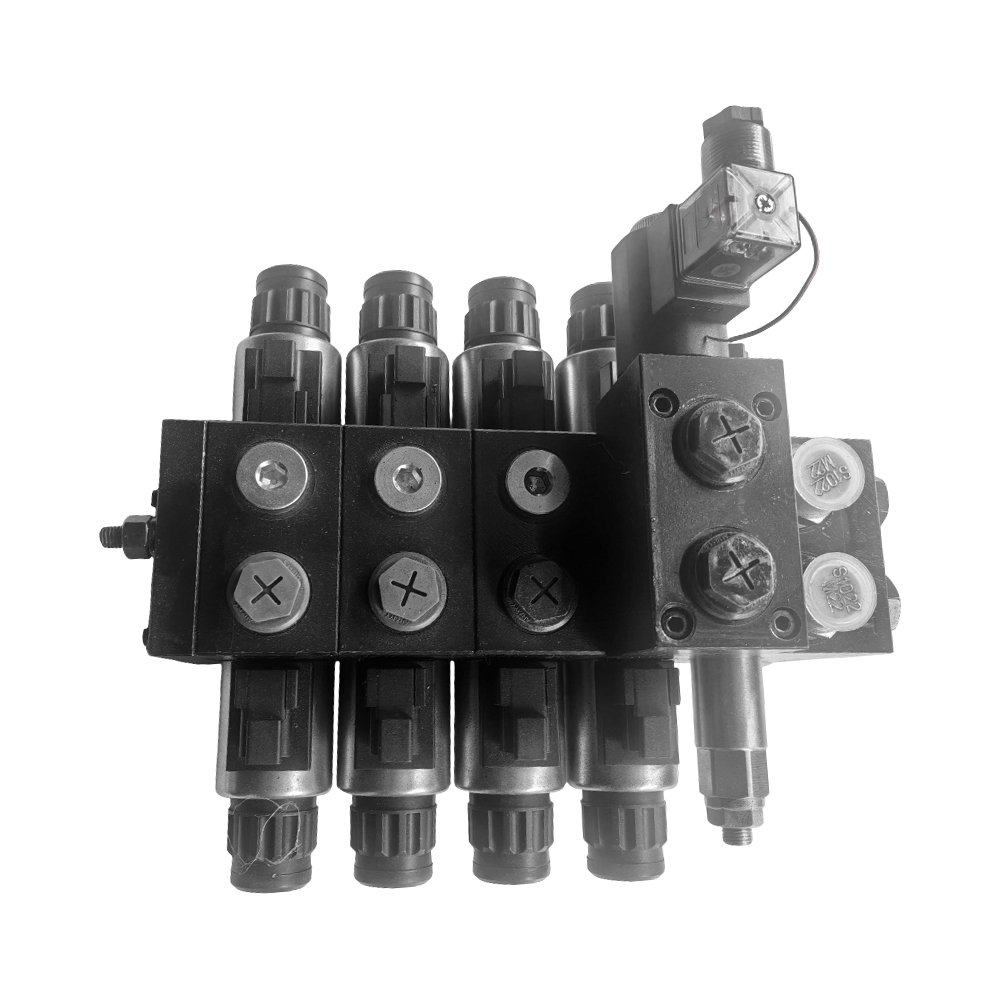
Most modern construction machinery braking systems use hydraulic actuation. While hydraulic brakes offer excellent power density and controllability, they inherently generate significant heat. The hydraulic fluid circulates through pumps, valves, and actuators, producing parasitic heat from pressure drops and fluid shear. A study in patent literature describes how an electronically controlled hydraulic braking system uses proportional solenoid valves to manage fluid delivery, but even efficient systems experience thermal buildup from continuous fluid cycling.
Heat generation sources within hydraulic braking systems include:
Wet disc brakes, common in construction machinery, use lubricating oil to cool friction surfaces. However, the same oil that removes heat also generates heat through viscous shear as discs rotate through the oil bath. This creates a self-limiting effect where increased cooling flow also increases parasitic heating, as documented in multiple patent filings on axle cooling systems for wheeled loaders.
Construction equipment rarely operates in steady-state conditions. Loader cycles, excavator swings, and haul truck routes involve constant acceleration and deceleration. According to patent descriptions for axle overheating prevention, the combination of frequent braking and heavy vehicle weight significantly increases the risk of lubricating oil degradation from excessive heat. A wheel loader may perform 30 to 50 loading cycles per hour, each requiring aggressive braking at the pile and dump points. This frequency prevents normal cooling between applications.
Machines working on inclines face additional thermal challenges. Descending slopes requires sustained braking rather than intermittent stops. This prolonged application creates continuous heat generation without recovery periods. Retarder systems designed to assist with speed control on descents can help, but they also add to total heat load if used excessively.
Construction sites often have elevated ambient temperatures, particularly in summer or in confined spaces. The temperature difference between brakes and surrounding air determines cooling rate. When ambient temperatures exceed 35°C, heat dissipation efficiency drops significantly, allowing temperatures to climb even higher.
| Component | Overheating Cause | Thermal Impact |
|---|---|---|
| Brake Pads/Discs | Worn materials reduce contact area | >300°C surface temperature |
| Hydraulic Fluid | Viscosity breakdown reduces heat transfer | >100°C sump temperature |
| Axle Lubricant | Shared oil with wet brakes overheats | >150°C critical threshold |
| Brake Accumulator | Low pre-charge increases cycling | Heat transfer fluid temp +20°C |
Component deterioration from heat creates a cascade effect. As friction materials wear, contact pressure must increase to maintain stopping force, generating more heat. As hydraulic fluid breaks down, its viscosity drops, reducing its ability to transfer heat away from friction surfaces. This positive feedback loop accelerates failure once the system begins to overheat.
When a construction machinery braking system overheats, multiple failure modes become possible:
Brake fade occurs when friction material reaches temperatures that reduce its coefficient of friction. At elevated temperatures, the bonding agents in organic friction materials decompose, creating a gas layer between the pad and disc. This gas film reduces friction and increases stopping distance. In severe cases, stopping distance can double or triple, creating dangerous situations.
Hydraulic brake systems rely on elastomeric seals to contain pressurized fluid. Most seals are rated for continuous operation up to 100°C. When fluid temperatures exceed this limit, seals harden, crack, and leak. Loss of hydraulic pressure means reduced braking force or complete failure.
Wet brake systems use axle lubricant for cooling. According to patent literature, lubricating oil degradation from overheating can cause severe breakdown of axle components. When oil temperatures exceed 150°C (300°F), oxidation accelerates dramatically, producing sludge that blocks cooling passages and abrades bearing surfaces.
Many modern construction machines incorporate active cooling for brake and axle lubricants. Oil-to-air coolers mounted in the radiator stack or remote locations help dissipate heat. However, patent discussions note that installing coolers increases manufacturing costs and complicates equipment structure. For large-scale equipment, high-capacity coolers add significant cost and maintenance requirements.
Material science has improved brake performance in high-temperature applications. Ceramic-based friction materials offer higher temperature thresholds and more consistent friction coefficients. Sintered metallic materials can operate at temperatures exceeding 500°C without significant fade. The right friction material helps ensure consistent braking, reduced wear, and good heat control under extreme conditions.
Electronically controlled braking systems can reduce heat generation through intelligent modulation. Instead of abrupt full-pressure applications, these systems can apply progressive pressure, reducing peak heat generation. Some systems also incorporate temperature sensors to automatically reduce braking pressure when temperatures approach critical thresholds.
Occasional overheating during heavy operation may be acceptable, but persistent overheating often signals underlying issues. Common root causes include:
Brake surface temperatures exceeding 300°C during continuous operation indicate overheating. Hydraulic fluid temperatures above 100°C at the reservoir and axle lubricant exceeding 150°C are also critical thresholds requiring immediate attention.
Most manufacturers recommend hydraulic fluid changes every 1000 to 2000 operating hours for brake systems. However, machines operating in severe conditions, including frequent cycling or high ambient temperatures, may require 500-hour intervals. Regular oil analysis provides the most accurate replacement schedule.
Yes. Water contamination reduces hydraulic fluid compressibility and viscosity, increasing pump work and heat generation. Water also accelerates oxidation and reduces the fluid's ability to transfer heat away from brake components.
Engine braking can assist service brakes by providing deceleration without friction heat generation. However, engine braking effectiveness varies by machine type. Wheel loaders and haul trucks benefit most from engine retarding systems, while tracked machines have limited engine braking capability.
Wet brakes dissipate heat better than dry brakes under normal conditions but generate additional heat from viscous drag of oil between rotating discs. This parasitic heating becomes significant at high operating speeds, potentially offsetting cooling benefits.
Anticipatory driving, avoiding unnecessary brake applications, using engine retarders when available, allowing cooling breaks during extended operations, and reducing travel speeds can all significantly reduce heat generation in construction machinery braking systems.

Contact Info.
+86-159 9623 5291
No. 5, Chuangye Road, Niandou Industrial Park, Ma'anshan City, Anhui Province, China
MOBILE QR CODE

 English
  Español