en

Need Help Now? Call Us!
+86-159 9623 5291

Our team proudly offers an on-time guarantee and a 100% customer satisfaction guarantee.
Contact Online


 Home / News / Industry News / Specialized Brake for Corn and Wheat Harvesting Machinery: A Comprehensive Technical Guide for Agricultural Safety
  2026.07.05
  Industry News
 Content
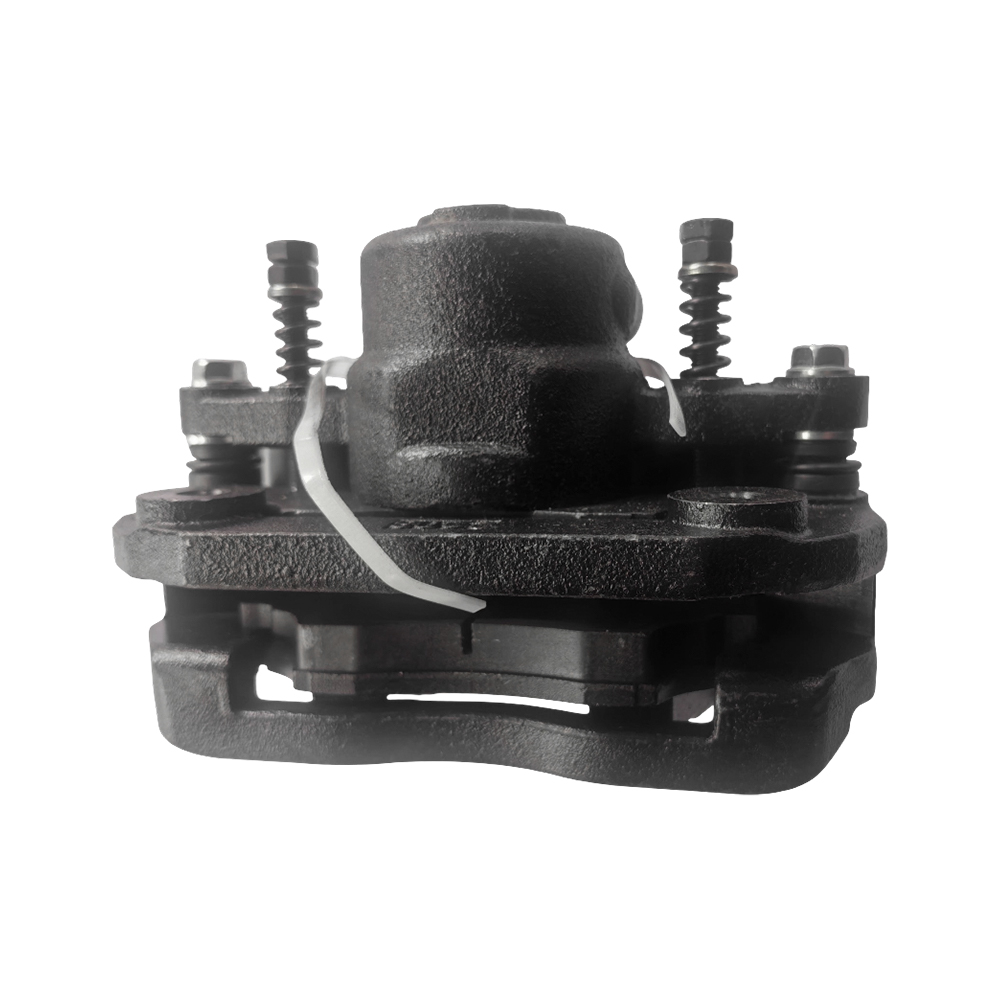
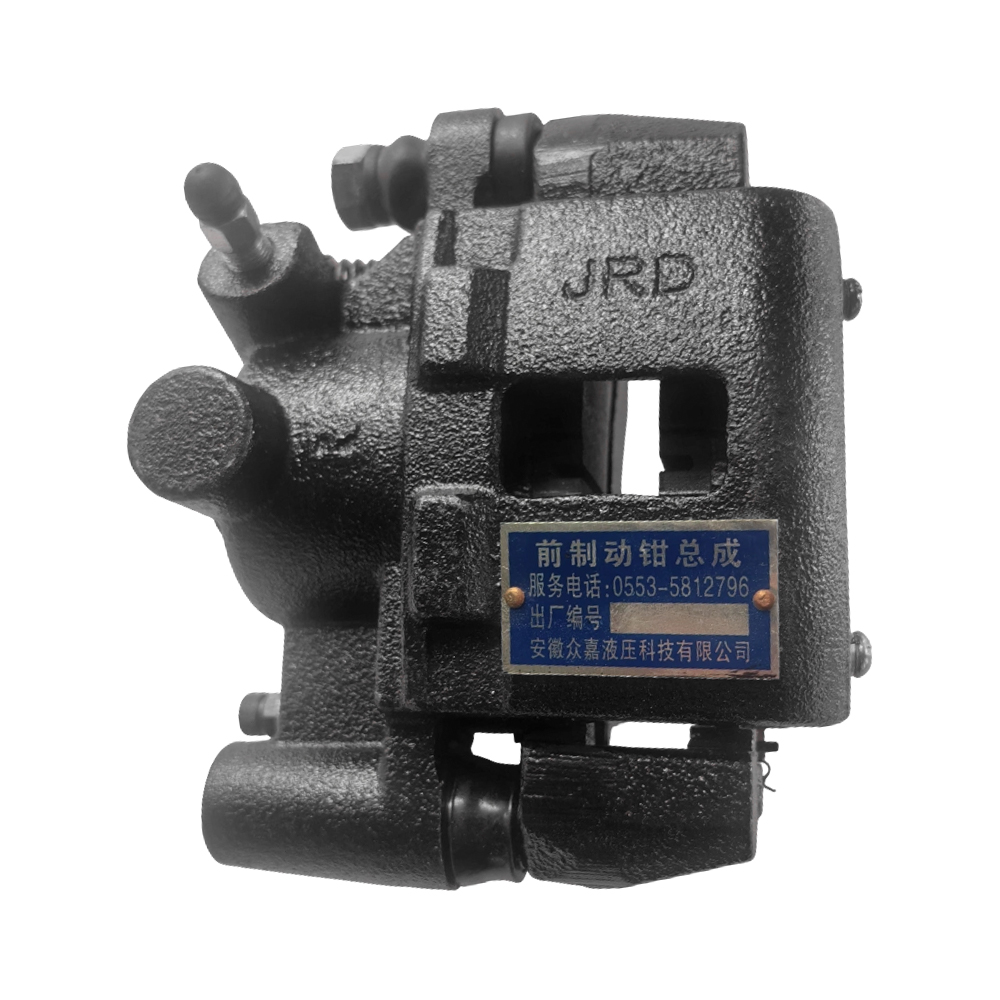
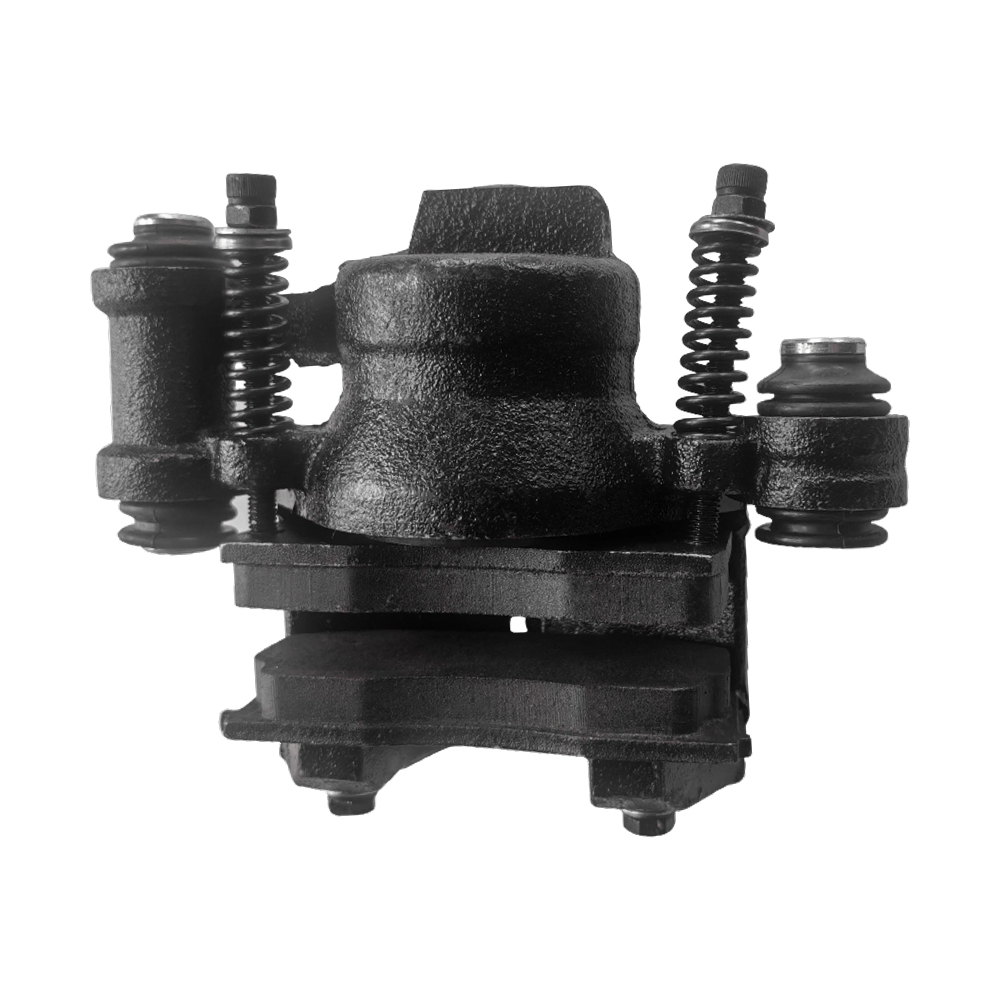
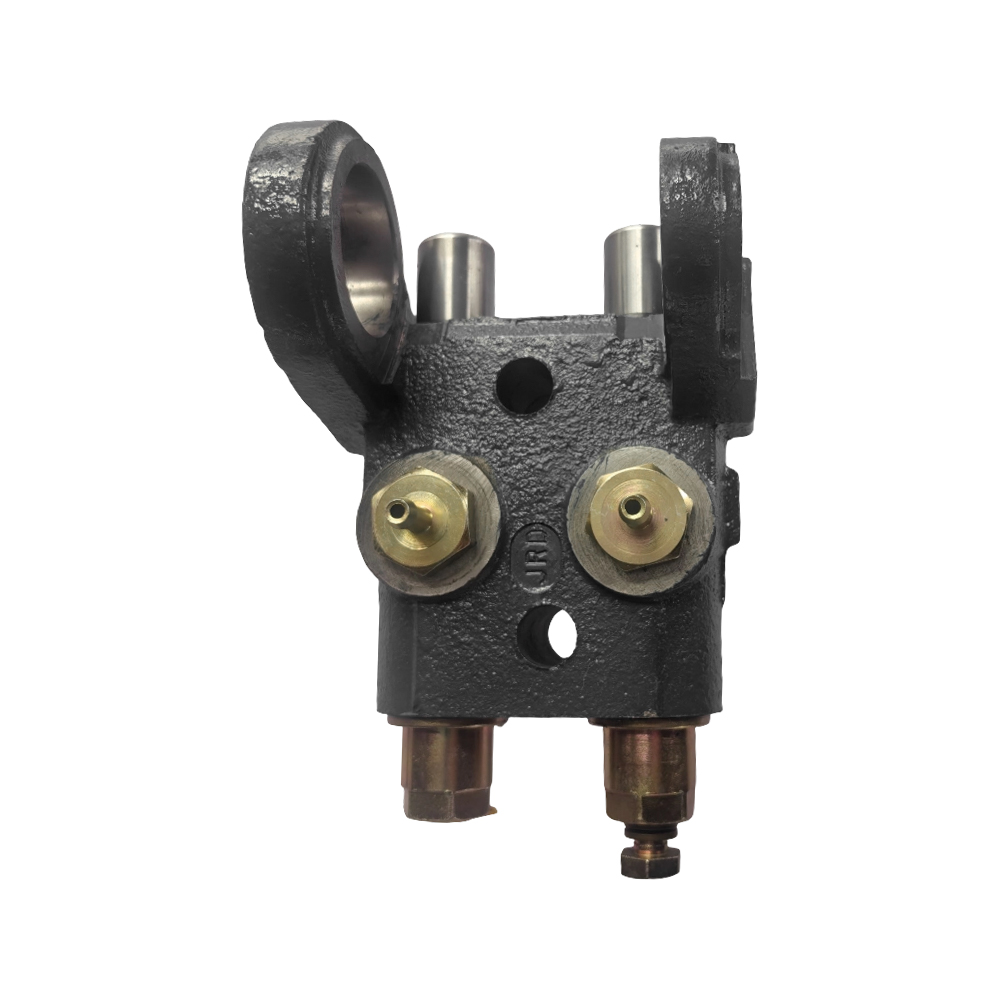
In the demanding world of agricultural harvesting, the reliability of braking systems is a critical factor that directly impacts operational safety, equipment longevity, and harvest efficiency. Among the various components that ensure the safe operation of combine harvesters, the Specialized Brake for Corn and Wheat Harvesting Machinery stands out as a core hydraulic braking component specifically designed for the unique challenges of grain harvesting. Unlike standard automotive brakes, these specialized units must withstand high dust loads, operate in extreme field conditions, and provide consistent stopping power while navigating uneven terrain. This article provides a comprehensive technical analysis of Specialized Brake for Corn and Wheat Harvesting Machinery, exploring its design principles, performance characteristics, and the critical factors that distinguish agricultural braking systems from conventional automotive solutions. For agricultural equipment manufacturers, farm operators, and procurement specialists seeking to make informed decisions about harvesting machinery components, understanding the nuances of these specialized braking systems is essential for ensuring field safety and operational efficiency.
Before delving into the specific characteristics of specialized agricultural brakes, it is important to establish a clear understanding of the critical role braking systems play in harvesting machinery. Combine harvesters are large, heavy machines operating at significant speeds in field conditions where visibility is often limited and terrain is unpredictable. The braking system must reliably bring a multi-ton machine to a controlled stop while navigating through crop rows, maneuvering around obstacles, and transitioning between field and road travel.
In field operations, harvesters frequently execute sharp turns at row ends, requiring the use of individual wheel brakes to assist steering [citation:7]. During road travel between fields, coupled brakes must engage in unison to ensure safe stopping on public roads [citation:8]. The parking brake must reliably hold the machine stationary when stopped, particularly on sloping terrain [citation:9]. These diverse operational requirements demand a braking system engineered specifically for agricultural applications, not simply adapted from automotive designs.
Unlike passenger vehicles, agricultural harvesters operate in environments characterized by high levels of dust, chaff, and crop residue that can compromise brake performance. The braking system must be sealed against contamination while maintaining consistent stopping power across a wide range of operating temperatures and conditions. This is why specialized agricultural brakes incorporate features such as enhanced sealing, corrosion-resistant materials, and designs optimized for high-load, high-debris environments.
The specialized brake for corn and wheat harvesting machinery is a core hydraulic braking component that acts directly on the drive wheel hub. Hydraulic systems are preferred in agricultural applications for their ability to deliver high braking force with relatively low operator effort, their reliability in harsh conditions, and their compatibility with the hydraulic systems already present on modern harvesters [citation:4].
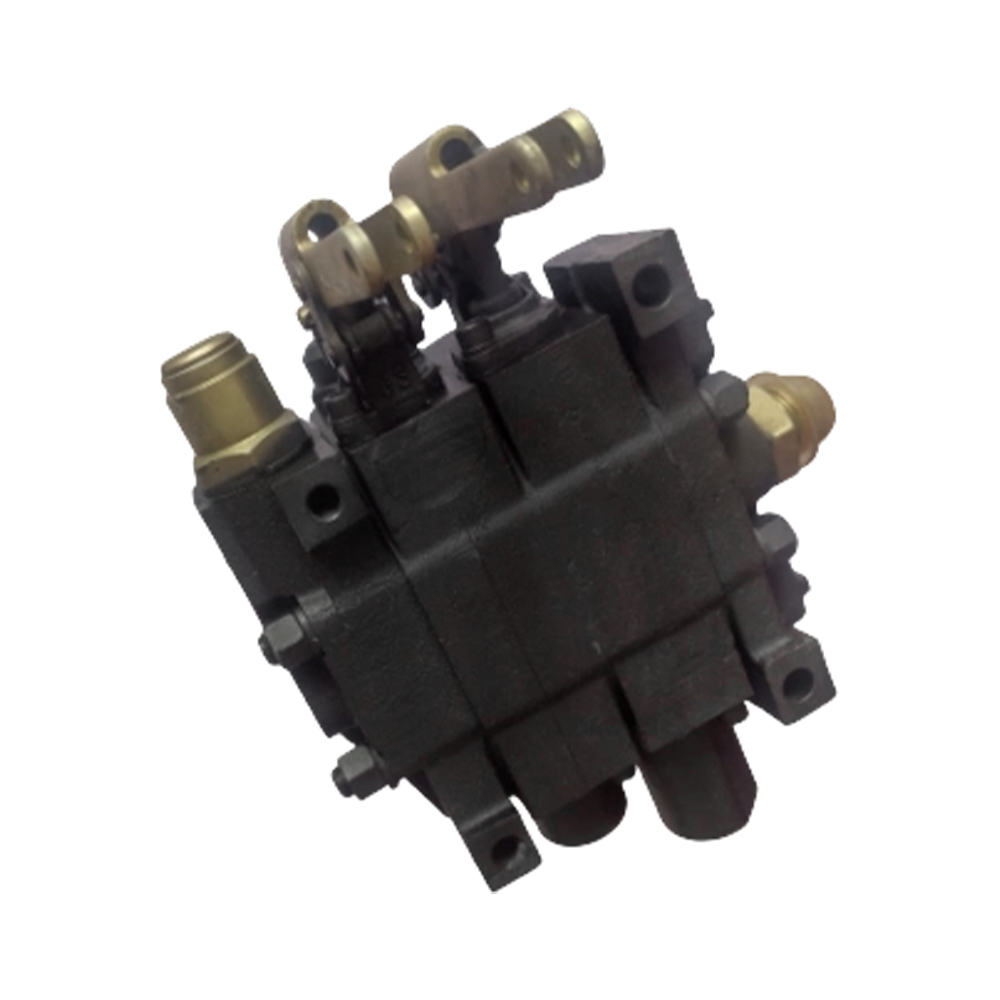
A typical hydraulic braking system for a combine harvester consists of several key components working in concert. The brake master cylinder converts mechanical force from the operator's pedal input into hydraulic pressure. This pressure is transmitted through hydraulic lines to brake calipers or wheel cylinders at each wheel, which actuate the brake pads or shoes against rotating components [citation:12].
Many modern harvesters utilize multi-disc oil-immersed brakes, which operate in a bath of oil to provide consistent braking performance, superior heat dissipation, and extended wear life [citation:11]. These wet brakes are particularly well-suited to agricultural applications where frequent braking and high loads are common. The oil immersion also provides continuous lubrication and cooling, reducing the risk of brake fade during extended downhill operation.
A critical safety feature of many agricultural braking systems is the spring-applied, hydraulically-released configuration [citation:6][citation:10]. In this design, powerful springs hold the brake in the applied position when hydraulic pressure is absent. To release the brake, hydraulic pressure must be applied to overcome the spring force.
This "fail-safe" design ensures that if hydraulic pressure is lost—due to engine shutdown, pump failure, or a leak—the brake automatically engages, bringing the machine to a stop. This is a critical safety feature for harvesting machinery, as it prevents the machine from rolling uncontrollably on slopes or when parked. The spring-applied, hydraulically-released design is widely used in agricultural equipment from loaders and cotton harvesters to combines and forage harvesters [citation:10].
While both agricultural and automotive braking systems serve the fundamental purpose of stopping a vehicle, their design priorities and operating environments differ significantly. The following table provides a direct comparison to guide agricultural equipment manufacturers, farm operators, and procurement specialists in understanding why specialized agricultural brakes are essential for harvesting machinery.
| Feature | Agricultural Harvester Brake | Standard Automotive Brake |
|---|---|---|
| Primary Environment | High dust, crop residue, dirt, and variable terrain | Relatively clean paved roads |
| Sealing and Contamination Resistance | Enhanced sealing to exclude dust and debris | Standard sealing, limited dust protection |
| Brake Type | Often multi-disc oil-immersed (wet) brakes | Typically dry disc or drum brakes |
| Fail-Safe Mechanism | Spring-applied, hydraulically-released | Not typically spring-applied |
| Corrosion Resistance | High, with corrosion-resistant materials and coatings | Standard corrosion protection |
| Heat Dissipation | Enhanced, often with oil cooling | Air-cooled, limited thermal capacity |
| Duty Cycle | High-frequency, heavy-load braking | Variable, generally lighter duty |
| Operational Complexity | Requires integration with hydraulic system | Standalone hydraulic or mechanical |
The choice between agricultural and automotive brake designs is not merely a matter of component selection; it reflects fundamentally different engineering priorities. Agricultural brakes are designed for durability and reliability in the most demanding field conditions, with a focus on contamination resistance, fail-safe operation, and compatibility with hydraulic systems. Standard automotive brakes prioritize cost-effectiveness and performance in clean, predictable environments.
The specialized brake for corn and wheat harvesting machinery finds application across a wide range of agricultural equipment, demonstrating its versatility and essential role in modern harvesting operations.
The primary application is in combine harvesters used for corn, wheat, and other grain crops. The brake acts directly on the drive wheel hub, ensuring braking safety and stability during complex farmland operations and relocation. In the demanding autumn harvest season, these brakes are a key component ensuring efficient and safe operation [citation:13].
The specialized brake is also applied to forage harvesters and other large agricultural vehicles. In forage harvesters, hydraulic brakes are sometimes used to stop the chopping drum quickly when the crop flow is interrupted, minimizing downtime and reducing the risk of blockages [citation:14].
For businesses involved in international trade and manufacturing, sourcing specialized brakes for corn and wheat harvesting machinery from a reliable supplier is paramount. Exporters should prioritize suppliers with a proven track record and established credentials, such as those with extensive industry experience, advanced manufacturing facilities, and comprehensive quality control systems.
Key quality parameters to consider when evaluating specialized agricultural brakes include:
The specialized brake for corn and wheat harvesting machinery represents a critical component in modern agricultural operations, delivering reliable stopping power, fail-safe operation, and exceptional durability in the most demanding field conditions. The combination of hydraulic actuation, spring-applied design, contamination-resistant construction, and optimized sealing makes these brakes an essential investment for agricultural equipment manufacturers and farm operators.
For agricultural equipment manufacturers, farm operators, and procurement specialists, understanding the unique advantages and specifications of specialized agricultural brakes is essential for informed component selection. By choosing high-quality brakes from reputable manufacturers, businesses can ensure the safety, reliability, and efficiency of their harvesting operations, protecting both equipment and personnel during the critical harvest season.
Combine harvesters use hydraulic brakes because hydraulic systems provide high braking force with low operator effort, are reliable in harsh field conditions, and integrate seamlessly with the hydraulic systems already present on modern harvesters. Hydraulic brakes are also more easily sealed against dust and debris than mechanical systems.
In a spring-applied, hydraulically-released brake, powerful springs hold the brake in the applied position when hydraulic pressure is absent. To release the brake, hydraulic pressure must be applied. This "fail-safe" design ensures that if hydraulic pressure is lost, the brake automatically engages, preventing the machine from rolling uncontrollably.
Agricultural brakes are designed for high-load, high-debris environments. They incorporate enhanced sealing to exclude dust and crop residue, use corrosion-resistant materials, and often feature multi-disc oil-immersed designs for superior heat dissipation and wear resistance.
Multi-disc oil-immersed brakes provide consistent braking performance, superior heat dissipation, and extended wear life. The oil immersion provides continuous lubrication and cooling, reducing the risk of brake fade during extended downhill operation or frequent braking.
Individual wheel brakes should be used when negotiating sharp turns in the field to assist steering. When driving on public roads, the brake pedals should be coupled to ensure the brakes are engaged in unison for safe stopping.
1. John Deere. (1999). Operating the Foot Brakes. AG_CO03622_1526_19_04AUG99 [citation:7].
2. John Deere. (1996). Operating the Foot Brakes. ZX_OMSLC007474_19_16DEC96 [citation:8].
3. John Deere. (2005). Parking Brake. AG_CO03622_1491_19_01AUG05 [citation:9].
4. Ruggeri, M., Marani, P., & Selvatici, M. (2016). Functional Safety Oriented Design of an Electro-Hydraulic Stationary Braking System. CNR-IRIS [citation:6].
5. Ausco Products. (2026). Spring-Applied, Hydraulically-Release Multi-Disc Brakes. Product Specifications [citation:10].
6. Poclain Hydraulics. (2026). Grape Harvester Applications. Product Catalog [citation:11].
7. Carlisle Brake & Friction. (2025). Hydraulic Actuation Systems for Agriculture. AGRITECHNICA 2025 [citation:12].
8. WANG Zili, et al. (2020). Application of Pneumatic-Hydraulic Auxiliary Clutch Brake System in Corn Harvester. Agricultural Engineering, 10(8), 89-92 [citation:13].
9. Krone. (2023). BiG X 600-3 Main Drive Brake. Original Operating Instructions [citation:14].
10. International Organization for Standardization. (2023). ISO 5676: Tractors and machinery for agriculture and forestry — Hydraulic coupling — Braking circuit. ISO Standards [citation:5].
Recommended Products

Contact Info.
+86-159 9623 5291
No. 5, Chuangye Road, Niandou Industrial Park, Ma'anshan City, Anhui Province, China
MOBILE QR CODE

 English
  Español