en

Need Help Now? Call Us!
+86-159 9623 5291

Our team proudly offers an on-time guarantee and a 100% customer satisfaction guarantee.
Contact Online


 Home / News / Industry News / Brake Caliper for Corn and Wheat Harvesting Machinery: A Comprehensive Technical Guide for Agricultural Braking Systems
  2026.07.12
  Industry News
 Content
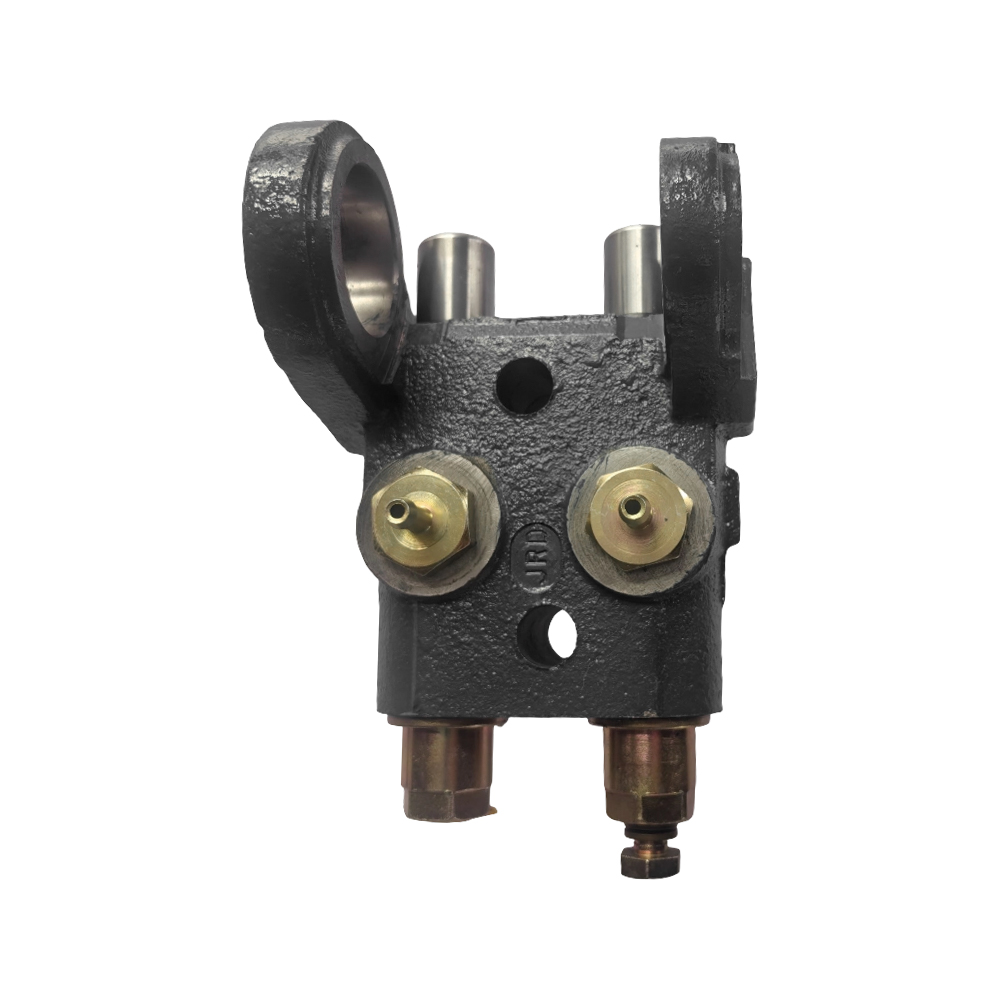
In the demanding world of agricultural harvesting, the reliability of braking systems is a critical factor that directly impacts operational safety, equipment longevity, and harvest efficiency. Among the various components that ensure the safe operation of combine harvesters, the Brake Caliper for Corn and Wheat Harvesting Machinery stands out as a core actuator of the braking system, playing a pivotal role in converting hydraulic pressure into powerful mechanical clamping force. Unlike standard automotive brake calipers, these specialized units must withstand high dust loads, operate in extreme field conditions, and provide consistent stopping power while navigating uneven terrain. This article provides a comprehensive technical analysis of Brake Caliper for Corn and Wheat Harvesting Machinery, exploring its design principles, performance characteristics, and the critical factors that distinguish agricultural brake calipers from conventional automotive solutions. For agricultural equipment manufacturers, farm operators, and procurement specialists seeking to make informed decisions about harvesting machinery components, understanding the nuances of these specialized braking components is essential for ensuring field safety and operational efficiency.
Before delving into the specific characteristics of specialized agricultural brake calipers, it is important to establish a clear understanding of the critical role brake calipers play in harvesting machinery braking systems. A brake caliper is a hydraulic actuator that converts hydraulic pressure into mechanical clamping force on a brake disc. In combine harvesters and other large agricultural vehicles, brake calipers are essential components that translate the operator's input into the stopping power needed to safely control these heavy, high-speed machines in both field and road conditions.
Unlike passenger vehicles, agricultural harvesters operate in environments characterized by high levels of dust, chaff, and crop residue that can compromise brake performance. The brake caliper must be sealed against contamination while maintaining consistent clamping force across a wide range of operating temperatures and conditions. This is why specialized agricultural brake calipers incorporate features such as high-strength materials, enhanced sealing, and designs optimized for high-load, high-debris environments. The standardized interface and compact structure ensure that these calipers perfectly adapt to mainstream combine harvester models while facilitating quick installation and maintenance.
Brake calipers in agricultural machinery are typically part of a closed hydraulic system, sharing fluid with other hydraulic components . This integration requires precise engineering to ensure compatibility and reliable operation. The caliper must be designed to operate effectively with the specific hydraulic fluid and pressures used in the machinery, while also providing consistent braking performance across a wide range of temperatures and operating conditions.
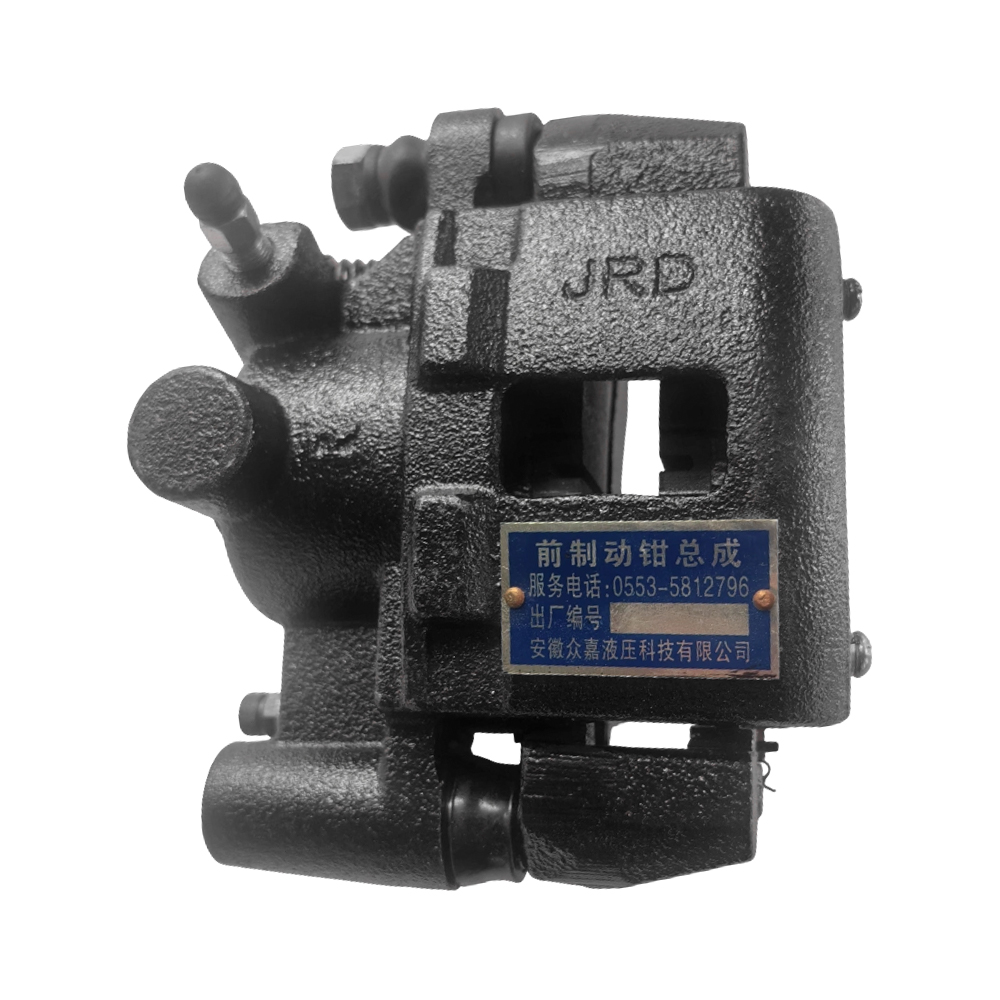
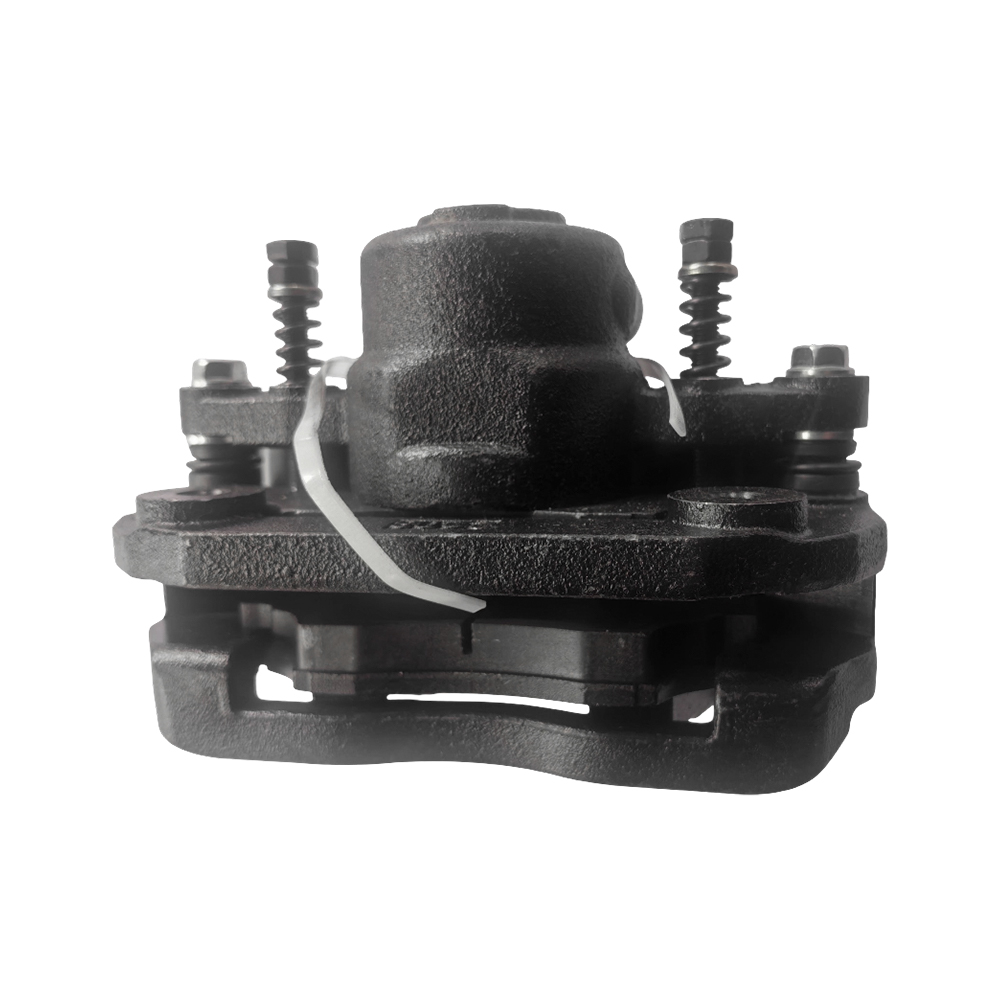
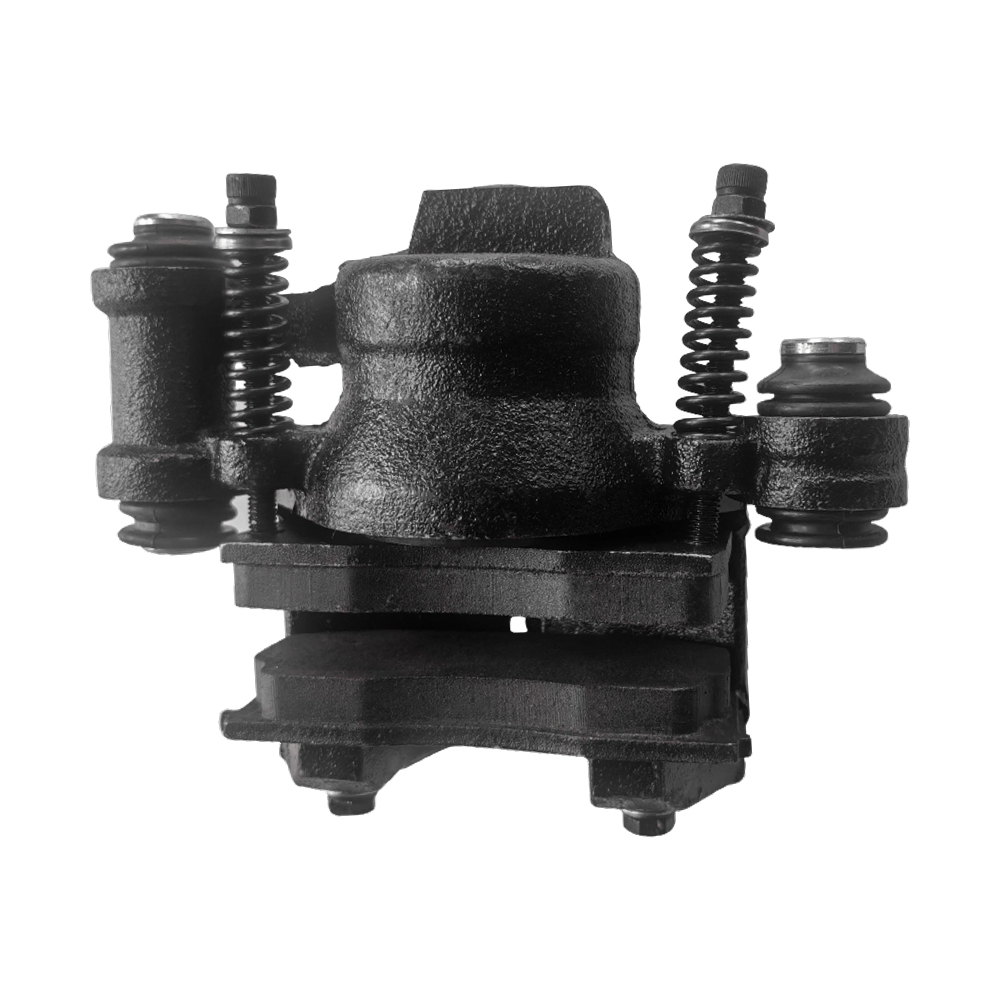
The specialized brake caliper for corn and wheat harvesting machinery is a hydraulically driven actuator that precisely converts hydraulic pressure into powerful mechanical clamping force to achieve efficient clamping of the brake disc. This ensures smooth and safe deceleration and stopping of the entire machine in the field and during transportation.
In a hydraulic disc brake system, the brake caliper contains one or more pistons that are forced outward by hydraulic pressure when the brake pedal is depressed. These pistons press brake pads against the rotating brake disc, creating friction that slows and stops the wheel . The hydraulic pressure is generated by a brake master cylinder and transmitted through hydraulic lines to the calipers at each wheel.
The hydraulic actuation principle offers several advantages for agricultural applications. Hydraulic systems provide high braking force with relatively low operator effort, making them suitable for heavy machinery. The hydraulic lines can be routed flexibly, accommodating the complex layouts of combine harvesters. The use of hydraulic fluid provides inherent lubrication and corrosion protection for internal components. The closed hydraulic system integrates seamlessly with other hydraulic functions on the machine, such as steering and implement control.
The brake caliper is constructed from high-strength alloy cast iron, providing a robust structure that is resistant to deformation. This material selection is critical for agricultural applications where the caliper is subjected to significant mechanical stress, vibration, and thermal cycling. The high-strength cast iron ensures the caliper maintains its dimensional stability and clamping force even under heavy-duty use.
The caliper incorporates high-performance friction plates (brake pads) that provide consistent friction characteristics across a range of operating conditions. The precision sealing design prevents oil leakage, maintaining hydraulic system integrity and preventing contamination of the friction surfaces. This sealing is particularly important in the dusty, dirty environment of agricultural harvesting, where contamination of the brake system could lead to reduced braking performance or component failure.
While both agricultural and automotive brake calipers serve the fundamental purpose of clamping brake pads against a disc to stop a vehicle, their design priorities and operating environments differ significantly. The following table provides a direct comparison to guide agricultural equipment manufacturers, farm operators, and procurement specialists in understanding why specialized agricultural brake calipers are essential for harvesting machinery.
| Feature | Agricultural Brake Caliper | Standard Automotive Brake Caliper |
|---|---|---|
| Primary Environment | High dust, crop residue, dirt, and variable terrain | Relatively clean paved roads |
| Sealing and Contamination Resistance | Enhanced sealing to exclude dust and debris; precision sealing design | Standard sealing, limited dust protection |
| Material Construction | High-strength alloy cast iron for durability and deformation resistance | Various materials, often lighter weight |
| Corrosion Resistance | High, with corrosion-resistant materials and coatings | Standard corrosion protection |
| Hydraulic Compatibility | Integrated with agricultural hydraulic systems | Standalone hydraulic or mechanical |
| Duty Cycle | High-frequency, heavy-load braking | Variable, generally lighter duty |
| Maintenance Requirements | Designed for easy maintenance in field conditions | Standard maintenance requirements |
The choice between agricultural and automotive brake calipers is not merely a matter of component selection; it reflects fundamentally different engineering priorities. Agricultural brake calipers are designed for durability and reliability in the most demanding field conditions, with a focus on contamination resistance, structural integrity, and compatibility with agricultural hydraulic systems. Standard automotive brake calipers prioritize cost-effectiveness and performance in clean, predictable environments.
The specialized brake caliper for corn and wheat harvesting machinery finds application across a wide range of agricultural equipment, demonstrating its versatility and essential role in modern harvesting operations.
The primary application is in large and medium-sized combine harvesters used for corn, wheat, and other grain crops. The brake caliper's standardized interface and compact structure perfectly adapt to mainstream models, ensuring safe operation during complex busy farming seasons and improving the overall reliability of the machine. In the demanding autumn harvest season, these calipers are a key component ensuring efficient and safe operation.
The specialized brake caliper is also applied to forage harvesters, where reliable braking is essential for safe operation in the field and during transport. In forage harvesters, the braking system must be capable of stopping the heavy machine quickly and safely, even when operating on uneven terrain or in tight spaces.
For businesses involved in international trade and manufacturing, sourcing specialized brake calipers for corn and wheat harvesting machinery from a reliable supplier is paramount. Exporters should prioritize suppliers with a proven track record and established credentials, such as those with extensive industry experience, advanced manufacturing facilities, and comprehensive quality control systems.
Key quality parameters to consider when evaluating specialized agricultural brake calipers include:
The specialized brake caliper for corn and wheat harvesting machinery represents a critical component in modern agricultural operations, delivering reliable clamping force, fail-safe operation, and exceptional durability in the most demanding field conditions. The combination of high-strength alloy construction, precision sealing, hydraulic actuation, and optimized design makes these calipers an essential investment for agricultural equipment manufacturers and farm operators.
For agricultural equipment manufacturers, farm operators, and procurement specialists, understanding the unique advantages and specifications of specialized agricultural brake calipers is essential for informed component selection. By choosing high-quality calipers from reputable manufacturers, businesses can ensure the safety, reliability, and efficiency of their harvesting operations, protecting both equipment and personnel during the critical harvest season.
Combine harvesters use specialized brake calipers because they are designed to withstand the high dust, debris, and demanding field conditions of agricultural environments. They feature enhanced sealing, high-strength materials, and compatibility with agricultural hydraulic systems that standard automotive calipers lack.
Agricultural brake calipers are constructed from high-strength alloy cast iron, providing a robust structure that is resistant to deformation. This material selection is critical for agricultural applications where the caliper is subjected to significant mechanical stress, vibration, and thermal cycling.
Agricultural brake calipers incorporate precision sealing designs to exclude dust and debris, maintaining performance in high-contamination environments. This sealing is more robust than standard automotive calipers to prevent oil leakage and contamination of the friction surfaces.
The primary applications are in large and medium-sized combine harvesters used for corn, wheat, and other grain crops, as well as forage harvesters. These calipers are essential for ensuring safe operation during the busy harvest season.
When sourcing agricultural brake calipers for export, look for suppliers with a proven track record, comprehensive quality control systems, and relevant certifications such as ISO 9001. Verify the material quality, sealing effectiveness, and hydraulic compatibility with your equipment.
1. Ausco Products. (2026). Spring-Applied, Hydraulically-Release Multi-Disc Brakes. Product Specifications .
2. John Deere. (1999). Operating the Foot Brakes. AG_CO03622_1526_19_04AUG99 .
3. John Deere. (1996). Operating the Foot Brakes. ZX_OMSLC007474_19_16DEC96 .
4. John Deere. (2005). Parking Brake. AG_CO03622_1491_19_01AUG05 .
5. International Organization for Standardization. (2023). ISO 5676: Tractors and machinery for agriculture and forestry — Hydraulic coupling — Braking circuit. ISO Standards .
6. WANG Zili, et al. (2020). Application of Pneumatic-Hydraulic Auxiliary Clutch Brake System in Corn Harvester. Agricultural Engineering, 10(8), 89-92 .
7. Ruggeri, M., Marani, P., & Selvatici, M. (2016). Functional Safety Oriented Design of an Electro-Hydraulic Stationary Braking System. CNR-IRIS .
8. Carlisle Brake & Friction. (2025). Hydraulic Actuation Systems for Agriculture. AGRITECHNICA 2025 .
9. Krone. (2023). BiG X 600-3 Main Drive Brake. Original Operating Instructions .
10. Poclain Hydraulics. (2026). Grape Harvester Applications. Product Catalog .
Recommended Products

Contact Info.
+86-159 9623 5291
No. 5, Chuangye Road, Niandou Industrial Park, Ma'anshan City, Anhui Province, China
MOBILE QR CODE

 English
  Español