en

Need Help Now? Call Us!
+86-159 9623 5291

Our team proudly offers an on-time guarantee and a 100% customer satisfaction guarantee.
Contact Online


 Home / News / Industry News / Agricultural Machinery Braking System vs Automotive Braking System: A Complete Field Performance and Durability Comparison
  2026.06.26
  Industry News
 Content
For agricultural equipment manufacturers, farm operators, and export sourcing professionals, selecting the right braking system directly impacts field safety, operational efficiency, and equipment longevity. Automotive braking systems are designed for paved roads, consistent traction, and relatively clean operating environments. Agricultural Machinery Braking Systems must perform in mud, dust, wet vegetation, and on soft, uneven terrain while handling extreme weight variations from empty to fully loaded. Understanding the differences between these braking system categories helps buyers select the optimal solution for applications ranging from compact tractors to large combine harvesters.
Automotive braking systems prioritize high speed stopping performance, pedal feel, and low noise on dry pavement. They are calibrated for relatively low weight to traction ratios and assume consistent surface conditions. Agricultural braking systems prioritize low speed control, independent wheel braking for steering assistance, resistance to contamination from field debris, and parking brake holding force on slopes. The braking system must function reliably after being submerged in mud, exposed to chemical fertilizers, and operated in temperature extremes. The following table summarizes the key differences between agricultural machinery braking systems and automotive braking systems.
| Performance Indicator | Agricultural Machinery Braking System | Automotive Braking System |
|---|---|---|
| Operating Environment | Mud, dust, chemical exposure, wet vegetation | Clean paved roads minimal contamination |
| Terrain Type | Soft, uneven, slippery, slopes up to 30 degrees | Paved, consistent traction, gentle slopes |
| Load Weight Variation | Extreme, empty to full grain cart or tank | Moderate, curb weight to gross vehicle weight |
| Primary Speed Range | Low speed 5 to 40 kilometers per hour | High speed 50 to 120 kilometers per hour |
| Independent Wheel Braking | Essential for steering assistance and turning radius | Not typically used, primarily for stability control |
| Parking Brake Holding Force | Very high for slopes and loading operations | Standard sufficient for paved slopes |
Industry experience confirms that agricultural machinery braking systems provide superior contamination resistance and low speed control compared to automotive derived systems. For equipment operating in fields, orchards, and feedlots, specialized agricultural braking technology is essential for safe and productive operation.
The Agricultural Machinery Braking System consists of several key components that work together to provide safe stopping power and control. Understanding these components helps buyers evaluate system quality and select appropriate configurations for their equipment.
The agricultural master cylinder converts mechanical force from the brake pedal into hydraulic pressure that actuates the brakes at each wheel. Agricultural master cylinders are typically larger diameter than automotive versions to provide higher fluid volume for large wheel cylinders or calipers. Tandem master cylinders have two separate pressure chambers, providing redundant braking if one circuit fails. For tractors and self propelled harvesters, the master cylinder is often mounted on the bulkhead with remote reservoirs to facilitate access for fluid checking. Manufacturers such as Anhui Zhongjia Hydraulic Technology Co., Ltd. produce master cylinders with corrosion resistant bores and seals rated for agricultural hydraulic fluids.
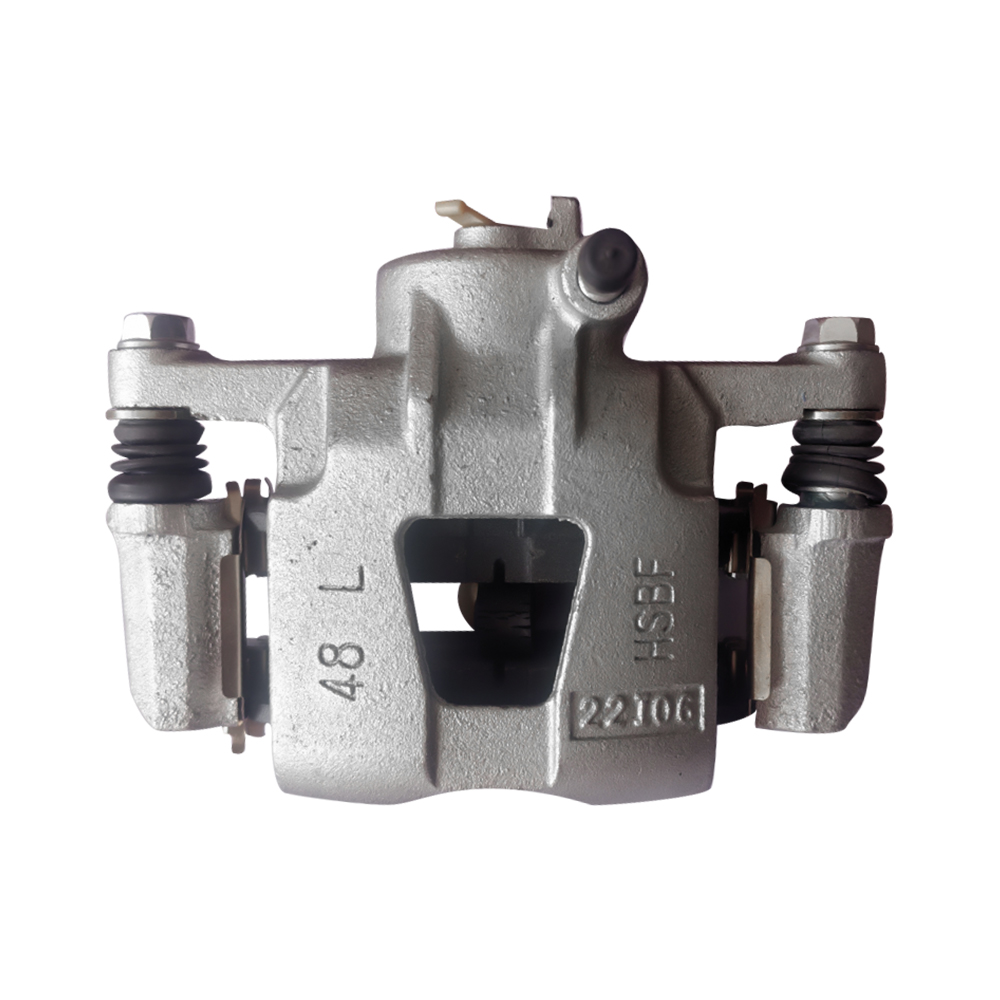
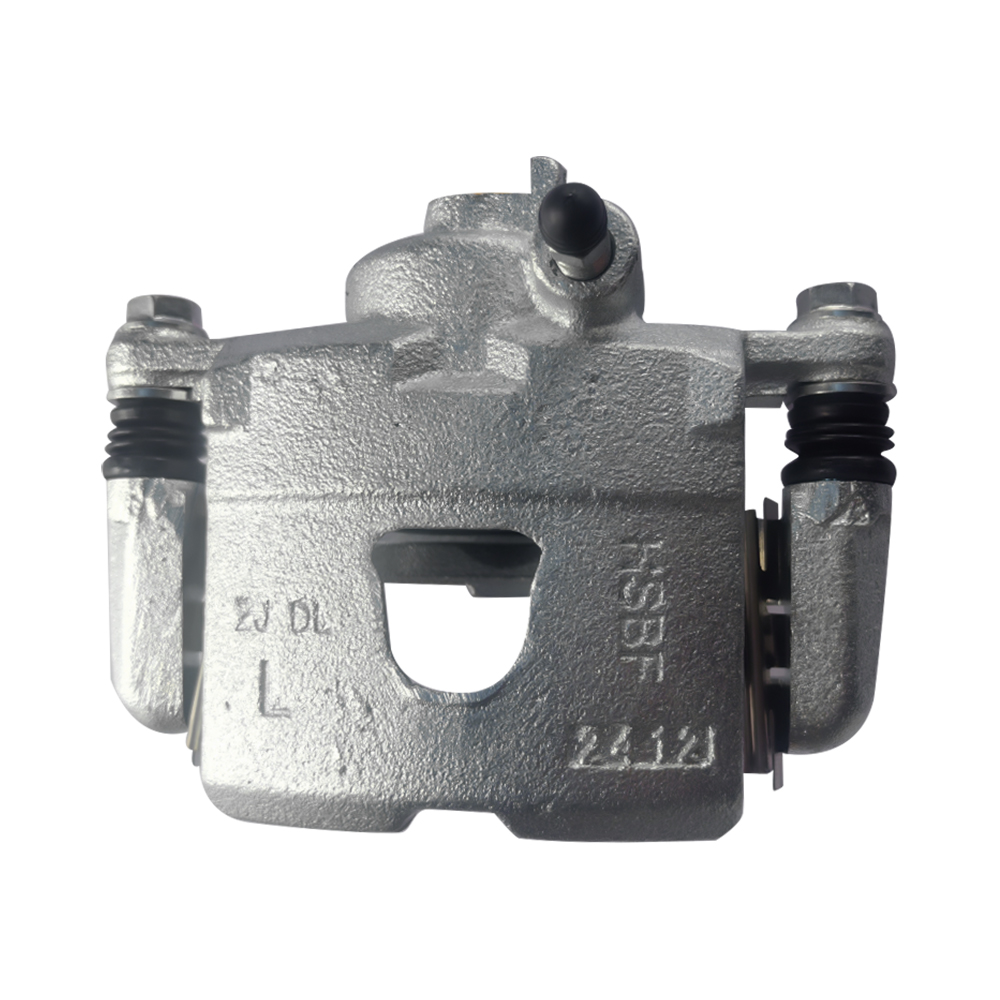
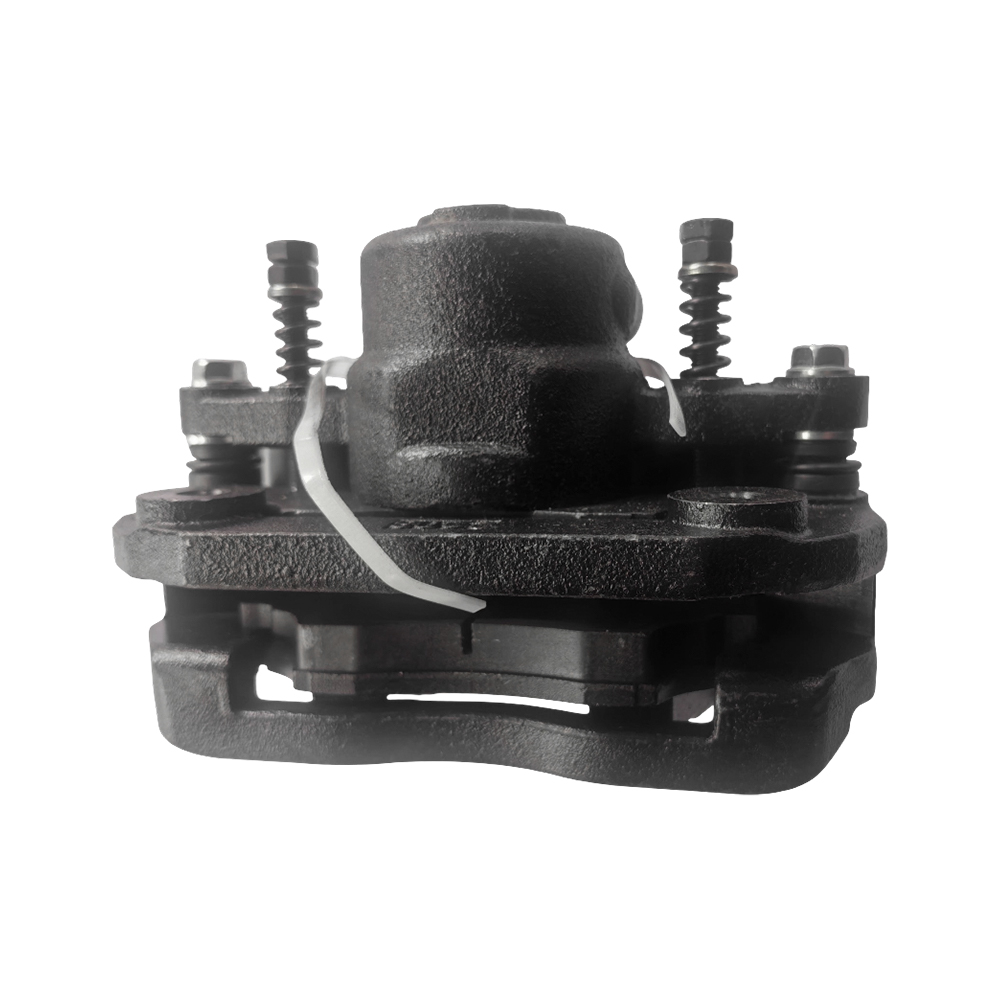
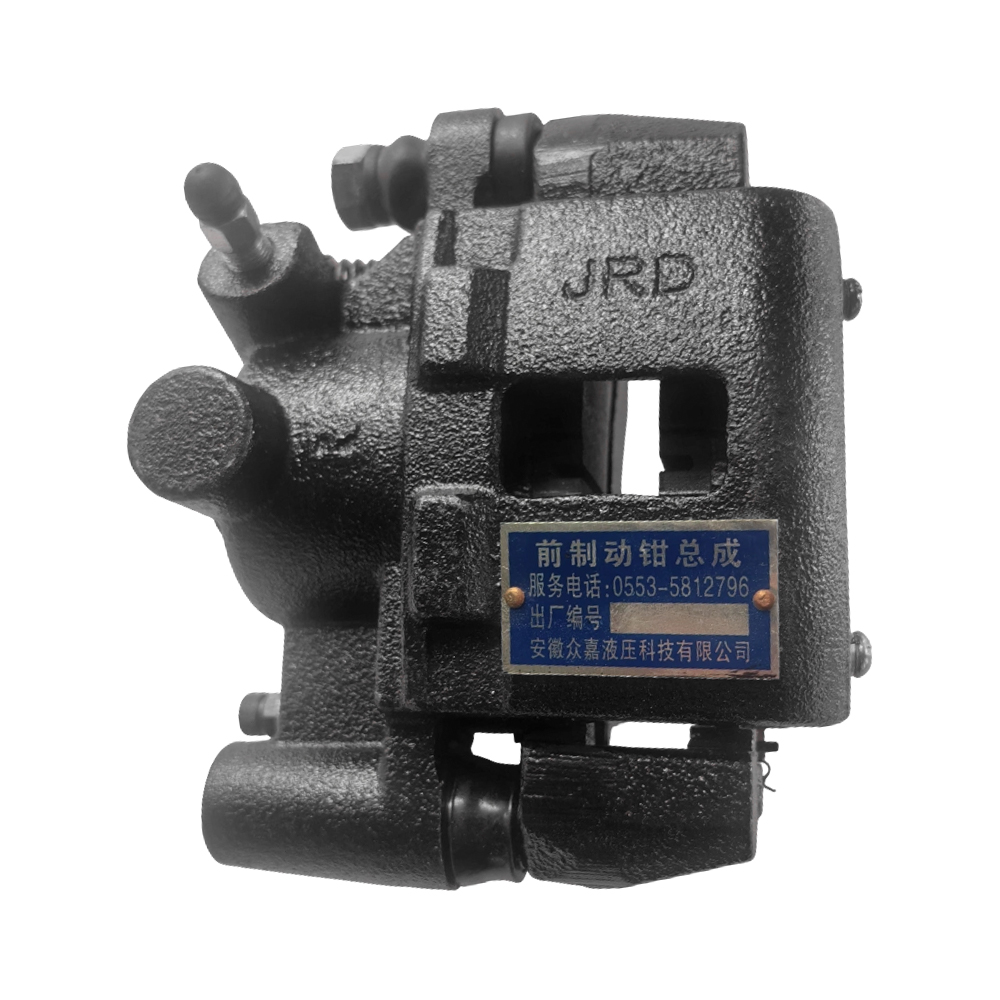
Agricultural brake calipers provide the clamping force for disc brake systems, which are increasingly common on larger agricultural equipment. Calipers must be designed with high clearance to prevent mud and debris buildup that could cause dragging or sticking. Single piston calipers are common on smaller tractors, while twin piston calipers provide higher clamping force for larger machines. Caliper bodies are typically made from cast iron or aluminum with protective coatings against chemical corrosion. For equipment operating in high contamination environments, enclosed calipers with protective boots over the piston area are preferred.
Brake wheel cylinders are used in drum brake systems, still common on older and smaller agricultural equipment. The wheel cylinder forces brake shoes against the drum when hydraulic pressure is applied. Agricultural wheel cylinders feature double sealed pistons to prevent moisture and contamination ingress. The cylinder bore is plated or stainless steel to resist corrosion from fertilizer and chemical exposure. For equipment that may sit unused for extended periods, wheel cylinders with stainless steel pistons prevent rust seizure.
Parking brake actuators are critical for agricultural equipment that must hold position on slopes during loading and unloading. Mechanical parking brakes using cables or linkages provide fail safe holding force independent of the hydraulic system. Spring applied hydraulic released parking brakes are used on larger equipment, engaging automatically if hydraulic pressure is lost. The parking brake system must hold the equipment at gross vehicle weight on a slope of 20 percent or 11 degrees minimum, with many specifications requiring 30 percent or 16.5 degrees.
Agricultural Machinery Braking Systems are divided into two main categories based on the energy source used to apply the brakes. Understanding the difference between hydraulic and air brake systems helps buyers select the right system for their equipment weight and operating conditions.
Hydraulic brake systems are the most common on agricultural equipment up to approximately 10,000 kilograms gross vehicle weight. The brake pedal actuates a master cylinder that sends hydraulic fluid under pressure to wheel cylinders or calipers. Hydraulic systems provide strong braking force, simple construction, and lower cost than air systems. They are well suited to tractors, small combines, and self propelled sprayers. The hydraulic fluid also lubricates and protects internal components. However, hydraulic systems require the engine to be running to provide power assist on most equipment, and brake fade can occur under sustained heavy braking such as descending long slopes with a loaded grain cart.
Air brake systems are used on heavier agricultural equipment and on towed implements such as large grain carts and manure spreaders. An air compressor driven by the engine pressurizes reservoirs, and the brake pedal modulates air pressure to brake chambers at each wheel. Air brakes provide consistent braking force regardless of engine speed and offer failsafe parking brakes that apply automatically if air pressure drops below a set point. Air brakes are also essential for towing applications because the towing vehicle can supply air to the trailer brakes through a gladhand connection. The primary disadvantages of air brakes are higher cost, more complex maintenance, and the need for an air dryer to prevent moisture freezing in cold climates.
For medium duty agricultural equipment between 5,000 and 10,000 kilograms, hydraulic over hydraulic brake systems provide a hybrid solution. The master cylinder supplies pressure to a hydraulic booster that amplifies the pedal force using power steering pump pressure. This provides strong braking with lower pedal effort than standard hydraulic systems. For towing applications, hydraulic over electric brake controllers actuate trailer brakes using a signal from the towing vehicle's brake light circuit. This is common on smaller agricultural trailers and implements that are not heavy enough to require full air brake systems.
One of the most important features of an Agricultural Machinery Braking System is independent wheel braking, which allows the operator to brake each rear wheel separately. This feature is essential for tractor maneuverability and has no equivalent in automotive braking systems.
Independent braking is achieved by splitting the hydraulic brake circuit so that two separate master cylinders or a single tandem master cylinder with isolated outputs control the left and right rear brakes independently. The brake pedals are split into left and right pedals that can be operated together for normal stopping or individually for steering assistance. When the operator applies the left brake pedal only, the left rear wheel slows, causing the tractor to pivot around that wheel and turn sharply left. This allows tractors to turn within their own length, significantly reducing the turning radius compared to front wheel steering alone.
For field operation, independent braking is most valuable at row ends where the tractor must turn around in limited space. Without independent braking, the operator would need to make a three point turn or drive forward into the adjacent field, wasting time and compacting soil. With independent braking, the operator can pivot the tractor within its own length, completing the turn in seconds. For orchards and vineyards where rows are narrow, independent braking may be the only way to maneuver equipment effectively.
Modern agricultural equipment may also feature automatic independent braking for traction control. Sensors detect wheel slip, and the braking system applies the brake to the slipping wheel, transferring torque to the opposite wheel through the differential. This improves forward traction in muddy conditions without requiring operator intervention. For four wheel drive tractors, individual wheel braking may be available on all four wheels for maximum maneuverability and traction control.
Agricultural Machinery Braking Systems operate in environments that would rapidly destroy automotive braking components. Mud, dust, crop residue, fertilizers, pesticides, and standing water all challenge brake system integrity. Understanding contamination protection features helps buyers select systems that will provide long service life under field conditions.
Sealing systems are the primary defense against contamination. Agricultural brake calipers feature multiple lip seals on the piston and guide pins, with protective boots covering exposed sliding surfaces. The boots are made from materials resistant to agricultural chemicals, typically EPDM or fluorocarbon rubber rather than standard nitrile. Wheel cylinders have double lip seals with a grease packed cavity between them to exclude moisture. Master cylinder reservoirs have filtered breathers to prevent contamination from entering as fluid level changes.
Corrosion protection extends beyond seals to the components themselves. Agricultural brake system components are plated, coated, or made from corrosion resistant materials. Calipers may be zinc nickel plated or painted with high solids epoxy paint. Master cylinder bores are often anodized or made from stainless steel. Brake lines are copper nickel alloy or plastic coated steel rather than plain steel. For export equipment destined for tropical or coastal environments, specify additional corrosion protection such as stainless steel fasteners and marine grade coatings.
Brake friction materials must also resist contamination. Agricultural brake pads and shoes are formulated to maintain friction coefficient when wet or muddy. Semi metallic pads that work well in automotive applications may rust and crumble in agricultural use. Premium agricultural brake pads use copper free formulations that resist moisture absorption and maintain consistent braking after being submerged. Some manufacturers offer sintered metal pads for extreme conditions, though these are harder on rotors and drums.
How often should agricultural machinery brake systems be inspected and serviced?
Agricultural brake systems should be inspected before each planting and harvest season, as well as at the manufacturer's recommended hour intervals, typically every 500 to 1,000 operating hours. Inspection should include checking brake fluid level and condition, inspecting hoses and lines for cracks or chafing, checking caliper and wheel cylinder boots for damage, and measuring pad or shoe wear. Brake fluid should be replaced every two years or if it becomes dark or contaminated. Parking brake cables should be lubricated and adjusted annually. For equipment operating in muddy or chemically aggressive conditions, more frequent inspection is recommended.
What type of brake fluid is recommended for agricultural machinery braking systems?
Most agricultural hydraulic brake systems use DOT 3 or DOT 4 brake fluid, the same as automotive systems. DOT 3 has a lower boiling point and is suitable for normal duty applications. DOT 4 has higher wet and dry boiling points and is recommended for heavy duty applications or equipment operating in hot climates. For systems with components containing natural rubber seals, a mineral oil based brake fluid such as DOT 5 is required. Never mix different types of brake fluid. Always use fresh fluid from a sealed container, as brake fluid absorbs moisture from the air over time, reducing boiling point and causing internal corrosion.
Can agricultural braking systems be retrofitted to add independent braking to older tractors?
Yes, many older tractors can be retrofitted with independent braking capability. The retrofit typically requires replacing the single circuit master cylinder with a dual circuit split pedal master cylinder, adding separate brake lines to each rear wheel, and ensuring that the existing wheel cylinders or calipers are in good condition. The complexity of the retrofit varies by tractor model. Some tractors were built with provisions for independent braking even if not originally equipped. For tractors without these provisions, fabrication of pedal linkage and brake line routing may be required. Consult a qualified agricultural equipment mechanic before attempting retrofit.
How do I troubleshoot a soft or spongy brake pedal on agricultural equipment?
A soft or spongy brake pedal typically indicates air in the hydraulic system. Bleed the brakes starting from the wheel furthest from the master cylinder. If bleeding does not resolve the issue, check for external leaks at calipers, wheel cylinders, and line connections. If no external leaks are found, the master cylinder may be bypassing internally and requires replacement. For equipment with rubber brake hoses, old hoses can expand under pressure, creating a spongy feel even with properly bled brakes. Replace hoses that are more than five years old. For systems with power assist, check that the power steering pump is producing adequate pressure and flow.
What is the typical minimum order quantity for custom agricultural braking system components?
Minimum order quantities for custom agricultural braking system components vary by manufacturer and component type. For simple customizations such as specific port locations or bracket configurations on standard master cylinders, manufacturers typically require 100 to 500 pieces. For fully custom components requiring new casting tooling or specialized sealing materials, minimum orders of 1,000 to 2,500 pieces are typical. For complete braking system assemblies including master cylinder, calipers, and parking brake actuators, minimum orders of 200 to 500 systems are common. Lead times for custom components range from 90 to 180 days depending on tooling and validation requirements. Manufacturers such as Anhui Zhongjia Hydraulic Technology Co., Ltd. work with agricultural OEMs to plan production schedules that align with new model launches.
1. ISO 5697:2020. Agricultural vehicles - Braking systems - Test procedures. International Organization for Standardization.
2. ASABE S365.10:2022. Braking System Testing for Agricultural Equipment. American Society of Agricultural and Biological Engineers.
3. European Commission. (2021). Regulation (EU) 167/2013 on the approval and market surveillance of agricultural and forestry vehicles. Official Journal of the European Union.
4. OECD Code 2. (2023). OECD Standard Code for the Official Testing of Agricultural and Forestry Tractor Braking Systems. Organisation for Economic Co-operation and Development.
5. SAE International. (2021). SAE J256: Agricultural Tractor Brake System Performance Requirements. SAE International.
Recommended Products

Contact Info.
+86-159 9623 5291
No. 5, Chuangye Road, Niandou Industrial Park, Ma'anshan City, Anhui Province, China
MOBILE QR CODE

 English
  Español