en

Need Help Now? Call Us!
+86-159 9623 5291

Our team proudly offers an on-time guarantee and a 100% customer satisfaction guarantee.
Contact Online


 2026.04.22
  Industry News
 Content
Agricultural Machinery Braking System ensures the safety and control of tractors, harvesters, and other farm equipment. Reliable braking is essential to prevent accidents and maintain operational efficiency in varying terrain and load conditions. Engineers and operators rely on robust systems that can handle high loads and frequent usage.
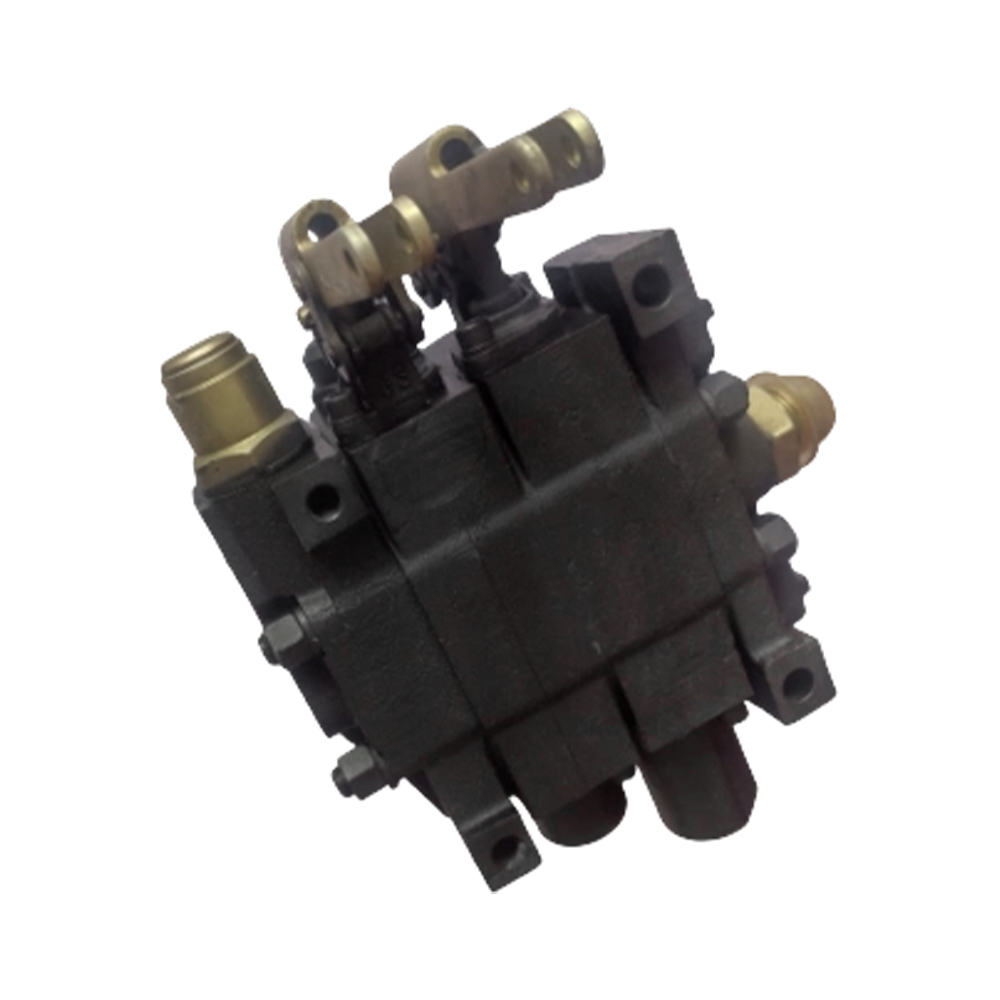
Hydraulic systems transmit force from the operator to the brake mechanism using pressurized fluid. The Hydraulic Agricultural Machinery Braking System provides smooth and precise braking, reducing pedal effort and improving control under heavy loads. This type is ideal for tractors and combines in extensive field operations.
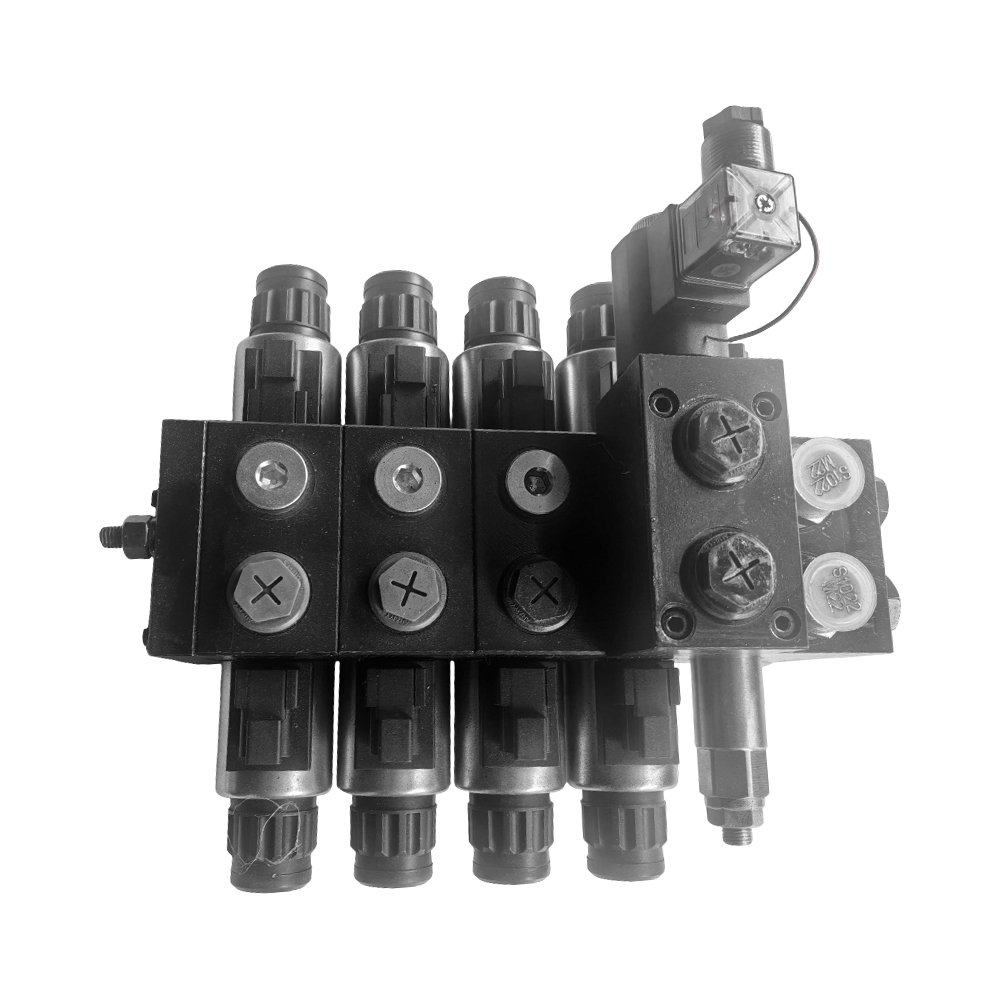
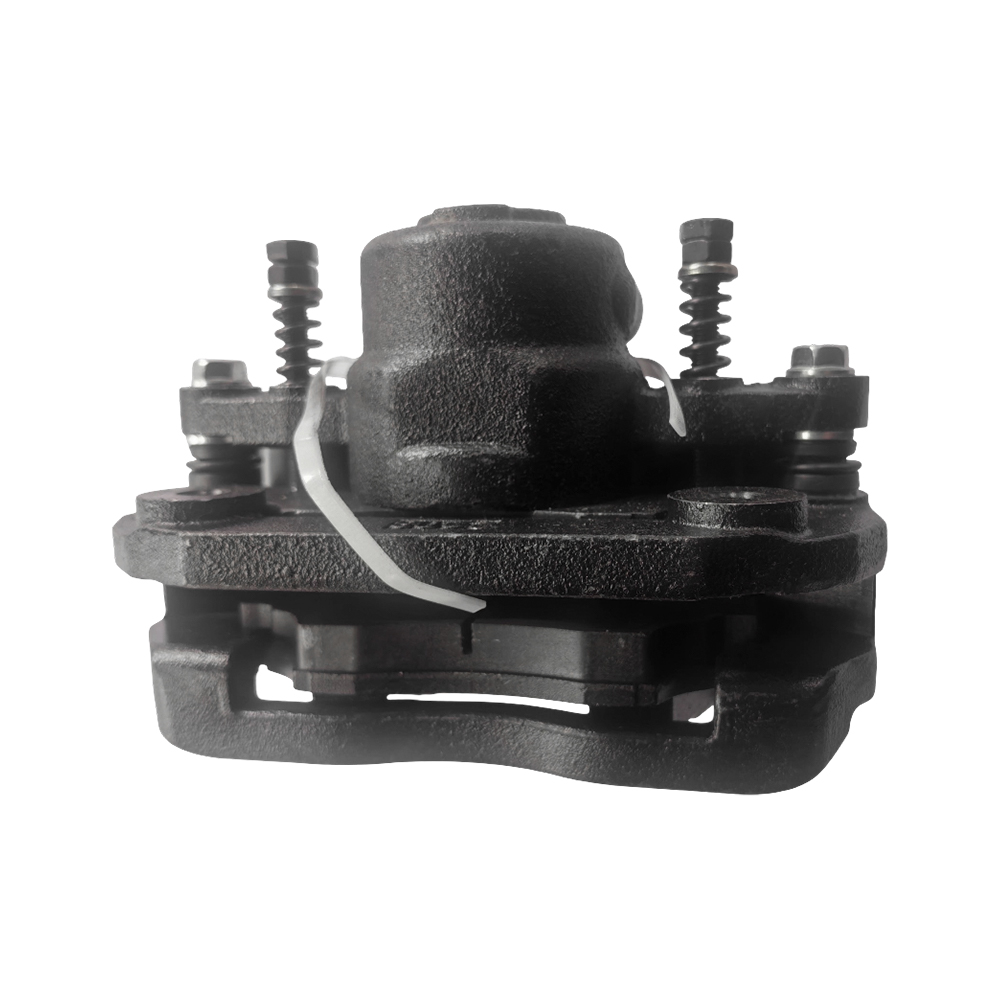
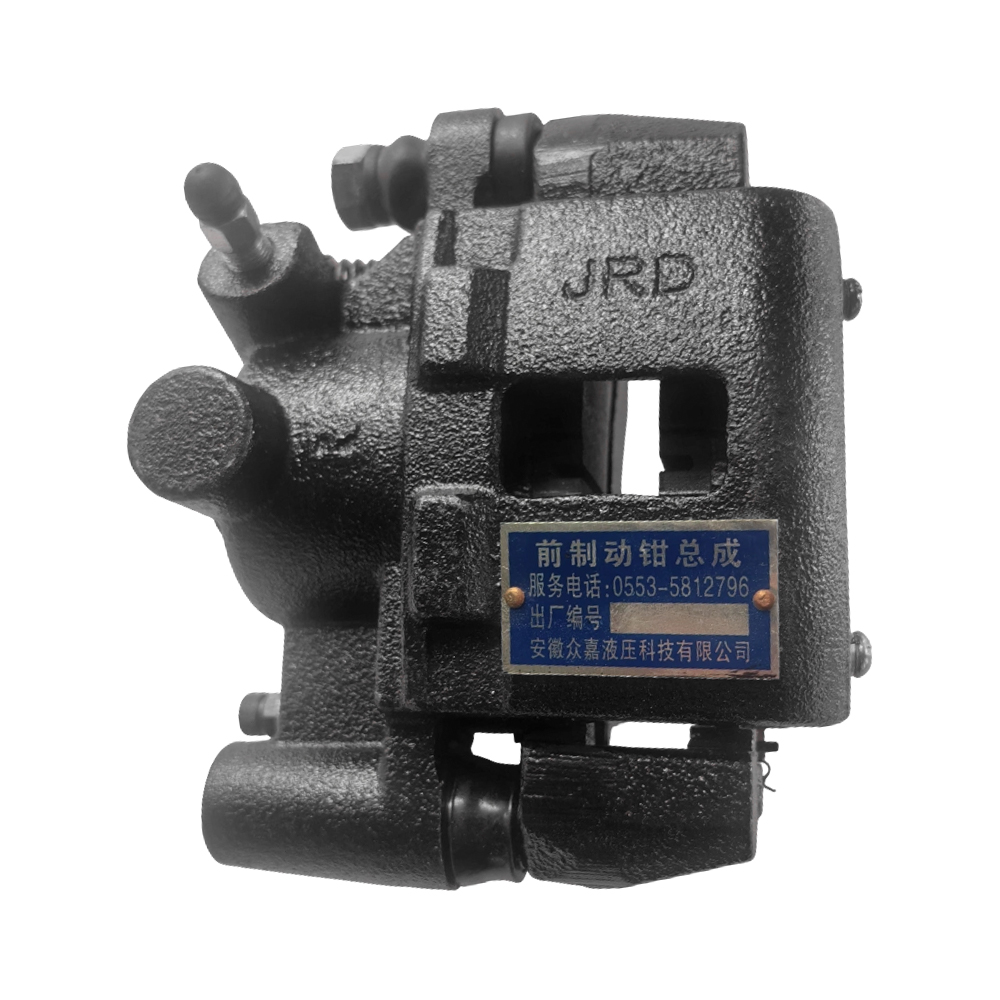
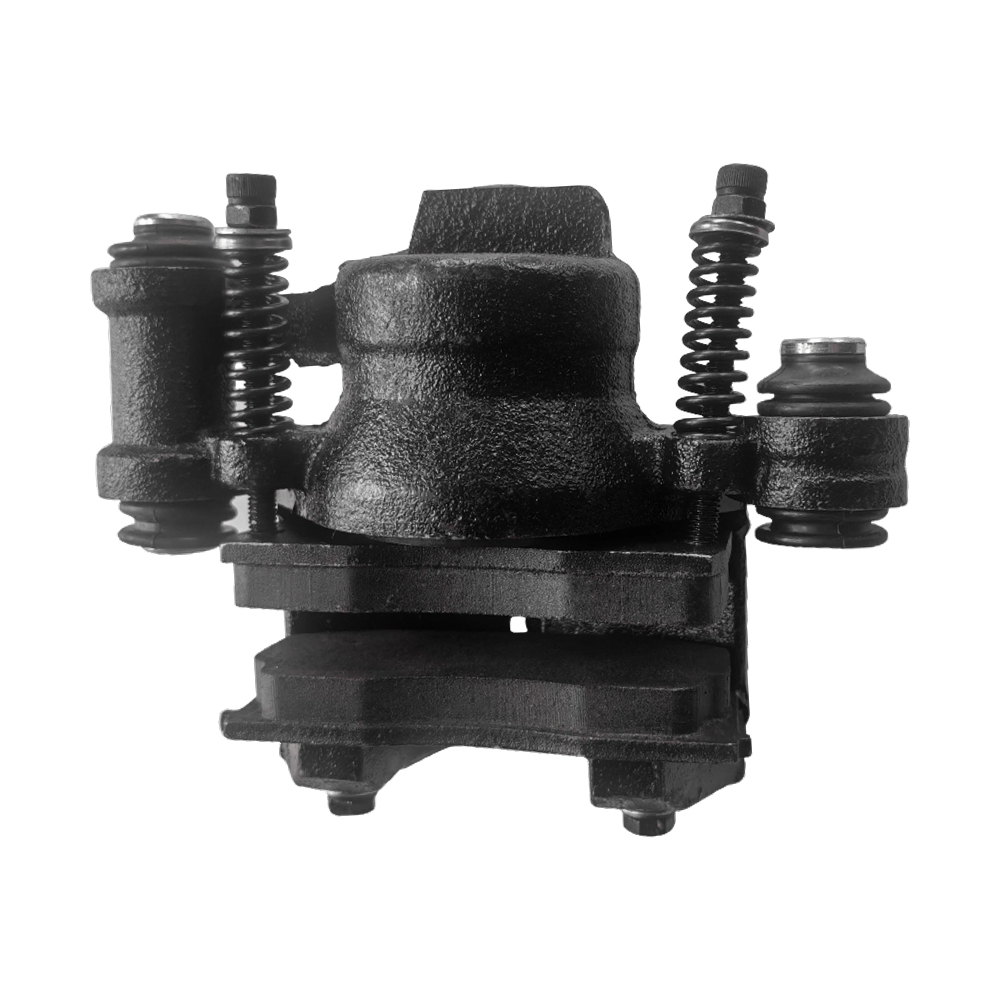
Disc Brake Agricultural Machinery Systems offer rapid response and consistent braking performance. They handle heat dissipation better than drum brakes, reducing fade during long operations and enhancing safety on slopes and hilly terrains.
Regular inspection and maintenance are critical. Agricultural Machinery Braking System Maintenance includes checking hydraulic fluid levels, inspecting brake pads and discs, and ensuring proper adjustment. Preventive maintenance extends system life and reduces downtime.
Electronic control systems integrate sensors and controllers to optimize braking force distribution. Electronic Control Agricultural Machinery Brakes improve stability, prevents wheel lock-up, and enables automated functions in advanced agricultural machinery.
Heavy-duty brakes are designed for high-torque applications, such as large tractors and industrial harvesters. Heavy Duty Agricultural Machinery Braking Systems use reinforced components to sustain prolonged operations without degradation.
Different machinery requires different braking systems based on load, terrain, and operational frequency. Common types include mechanical, hydraulic, disc, drum, and electronically controlled brakes.
| Type | Braking Force | Maintenance | Application |
| Mechanical | Medium | Moderate | Light tractors, utility vehicles |
| Hydraulic | High | Regular fluid checks | Tractors, harvesters |
| Disc | High | Frequent pad inspection | Hilly terrain, heavy machinery |
| Drum | Medium | Periodic adjustment | Older machinery, general farm use |
| Electronic | Variable | Software calibration | Automated and precision agriculture machinery |
Agricultural Machinery Braking System is critical for safety, operational efficiency, and machine longevity. By selecting the appropriate type—hydraulic, disc, electronic, or heavy-duty—and following strict maintenance practices, engineers and farm operators can ensure reliable braking performance in diverse agricultural conditions.
The main types include mechanical, hydraulic, disc, drum, and electronically controlled brakes, each suited for specific applications and loads.
Maintenance should follow manufacturer recommendations, typically monthly or after intensive field use, including hydraulic checks, pad inspections, and disc wear assessments.
They optimize braking distribution, prevent wheel lock-up, enable automated control, and improve stability for advanced agricultural operations.
Heavy-duty systems withstand high torque, prolonged operation, and heavy loads, ensuring consistent performance and safety for large agricultural machinery.
Recommended Products

Contact Info.
+86-159 9623 5291
No. 5, Chuangye Road, Niandou Industrial Park, Ma'anshan City, Anhui Province, China
MOBILE QR CODE

 English
  Español