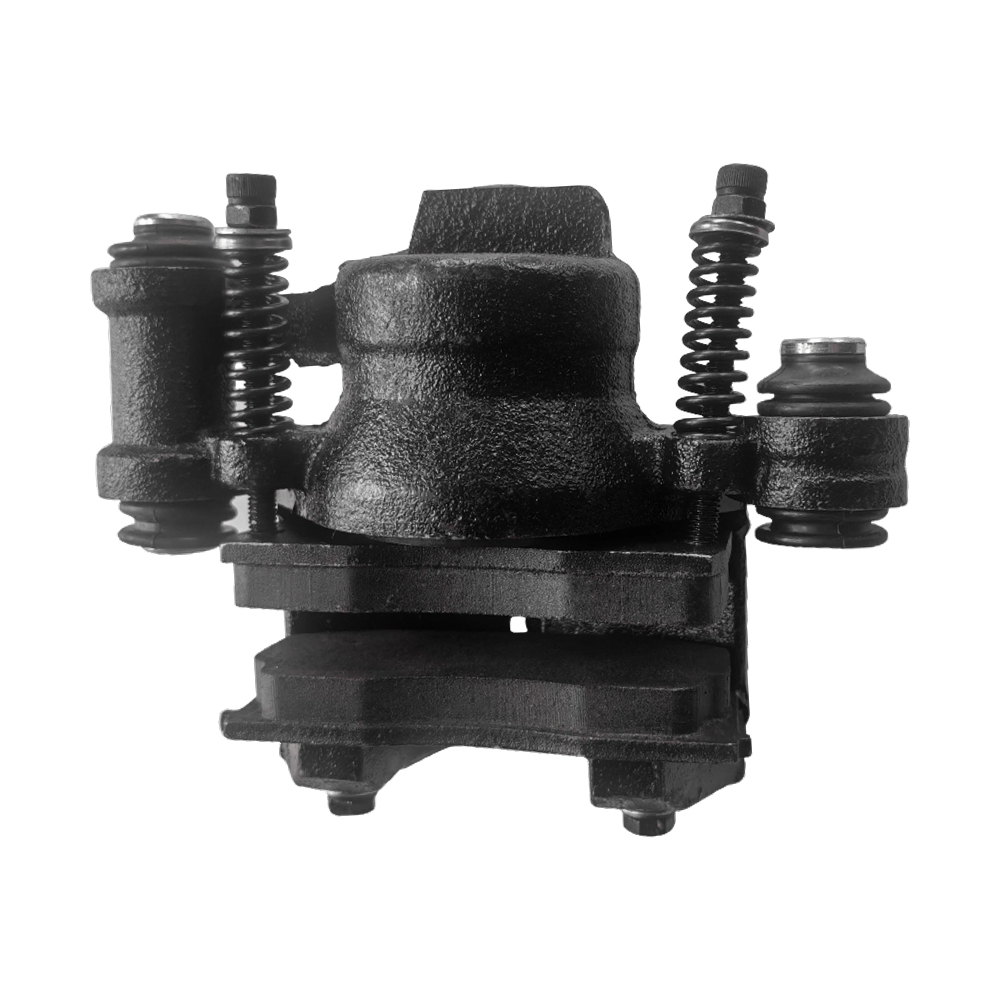
en

Need Help Now? Call Us!
+86-159 9623 5291

Our team proudly offers an on-time guarantee and a 100% customer satisfaction guarantee.
Contact Online


 2026.04.15
  Industry News
 Content
Industrial vehicles and heavy machinery require highly reliable stopping mechanisms. A Braking System converts kinetic energy into thermal energy to halt moving equipment. Procurement engineers must evaluate multiple technical parameters to select the correct components. The right selection prevents catastrophic failures and reduces maintenance costs. This article examines the core technologies that commercial buyers encounter in the market.
Most mobile heavy equipment relies on fluid power to actuate the brakes. The master cylinder converts mechanical force from the pedal into hydraulic pressure. This pressure travels through steel pipes to the wheel cylinders. Pascal's Law dictates that the pressure remains constant throughout the closed fluid system. The wheel cylinders then use larger surface areas to multiply the force and clamp the friction material against the rotating disc.
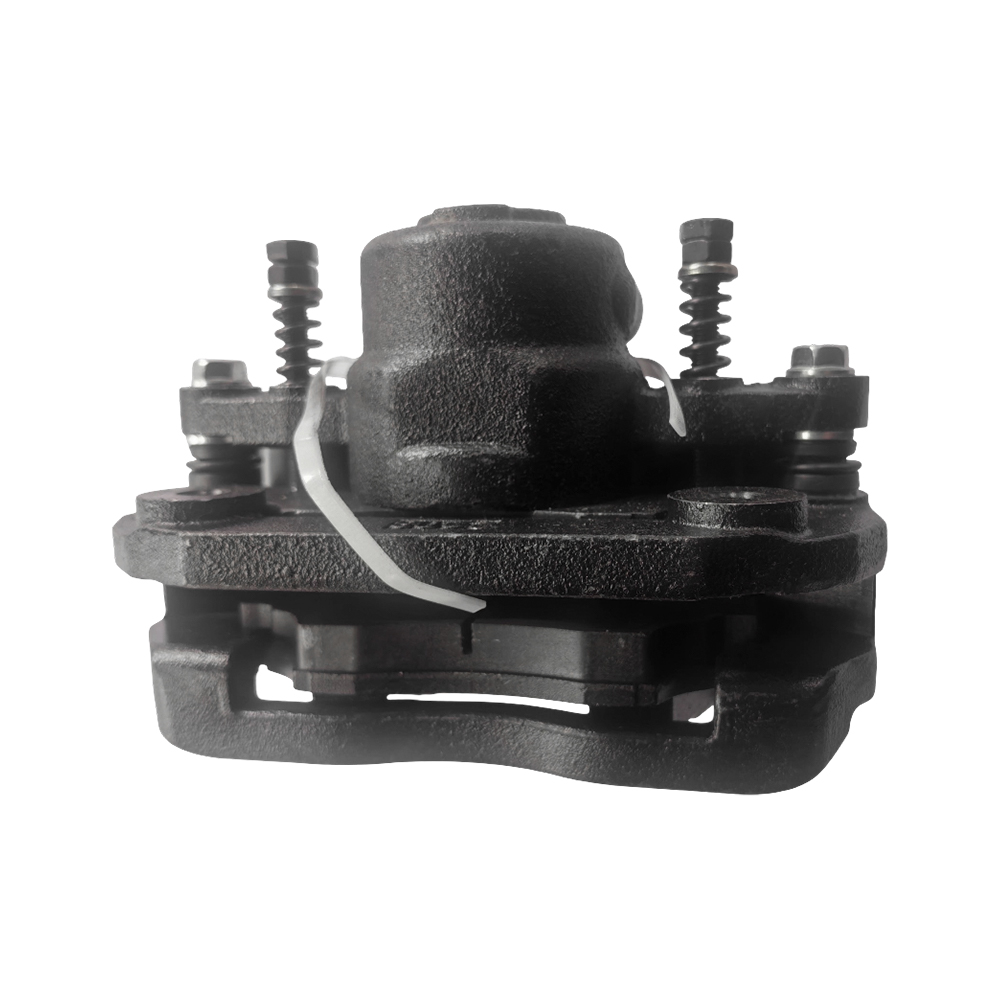
Engineers choose between liquid and compressed air to transmit force. Hydraulic systems use incompressible fluid, which provides an immediate and precise response. Pneumatic systems use compressed air, which acts as a spring and requires a compressor. The choice depends on the vehicle mass and application requirements.
| Feature | Hydraulic System | Pneumatic System |
| Operating Medium | Incompressible fluid | Compressed air |
| Response Time | Instantaneous | Slight delay |
| Fail-Safe Nature | No inherent fail-safe | Spring brakes engage on pressure loss |
| Typical Application | Light to medium duty | Heavy trucks and trains |
The friction interface experiences extreme heat during repeated stops. The friction material must maintain a stable coefficient of friction under high temperatures. If the temperature exceeds the thermal capacity of the pad, the Braking System experiences brake fade. Fade occurs when the friction material releases gases that create a lubrication layer between the pad and the disc.
The friction coefficient measures the ratio of frictional force to the normal force. Engineers typically specify a dynamic friction coefficient between 0.35 and 0.45 for commercial vehicles. A higher coefficient provides greater stopping power but often increases disc wear. The friction material must also have a stable mu across different temperatures and speeds. Wholesale buyers should request dyno-tested friction curves from suppliers to verify performance claims.
The rotor must dissipate heat rapidly and resist thermal deformation. Manufacturers use different metallurgical formulas to achieve these goals. Standard gray cast iron offers excellent thermal conductivity and damping capacity. However, it adds significant weight to the unsprung mass of the vehicle. Some high-performance applications use carbon ceramic composites. These composites withstand extremely high temperatures without warping, but they carry a much higher procurement cost.
Mechanical linkages are slow and prone to wear. Modern commercial vehicles utilize electronic controls to improve response times and integrate with safety networks.
An electronic control unit replaces the mechanical delay in traditional pneumatic circuits. The EBS processes the driver input and sends electrical signals to modulator valves at each wheel. This architecture allows the system to apply the brakes in milliseconds. It also enables advanced safety functions like automatic emergency braking and stability control. Fleet managers favor EBS because it integrates seamlessly with telematics systems for real-time brake wear monitoring.
Wheel lockup occurs when the braking force exceeds the available tire traction. Locked wheels stop rolling and begin sliding, which drastically reduces steering control and increases stopping distances. The anti-lock braking system ABS prevents this by monitoring wheel speed sensors. When the control module detects a deceleration spike, it modulates the brake pressure multiple times per second. This modulation allows the tire to maintain static friction with the road surface. For procurement specialists, specifying ABS is mandatory for compliance with modern safety regulations in most global markets.
Bulk buyers must verify the manufacturing standards of all brake components. Substandard friction materials or poorly machined rotors lead to premature failure. Buyers should require suppliers to provide documentation of fatigue testing and chemical analysis. Quality control inspectors often measure the rotor surface flatness with a dial indicator. A deviation greater than a few thousandths of an inch causes vibration and uneven pad wear.
Recommended Products

Contact Info.
+86-159 9623 5291
No. 5, Chuangye Road, Niandou Industrial Park, Ma'anshan City, Anhui Province, China
MOBILE QR CODE

 English
  Español