en

Need Help Now? Call Us!
+86-159 9623 5291

Our team proudly offers an on-time guarantee and a 100% customer satisfaction guarantee.
Contact Online


 2026.03.17
  Industry News
 Content
A modern Braking System converts kinetic energy into thermal energy or electrical energy to safely decelerate or stop a vehicle. Engineers design braking systems to meet strict safety, durability, and regulatory requirements. Procurement managers and OEM buyers must evaluate pressure transmission stability, heat resistance, sealing reliability, and long-term maintenance cost before selecting system components.
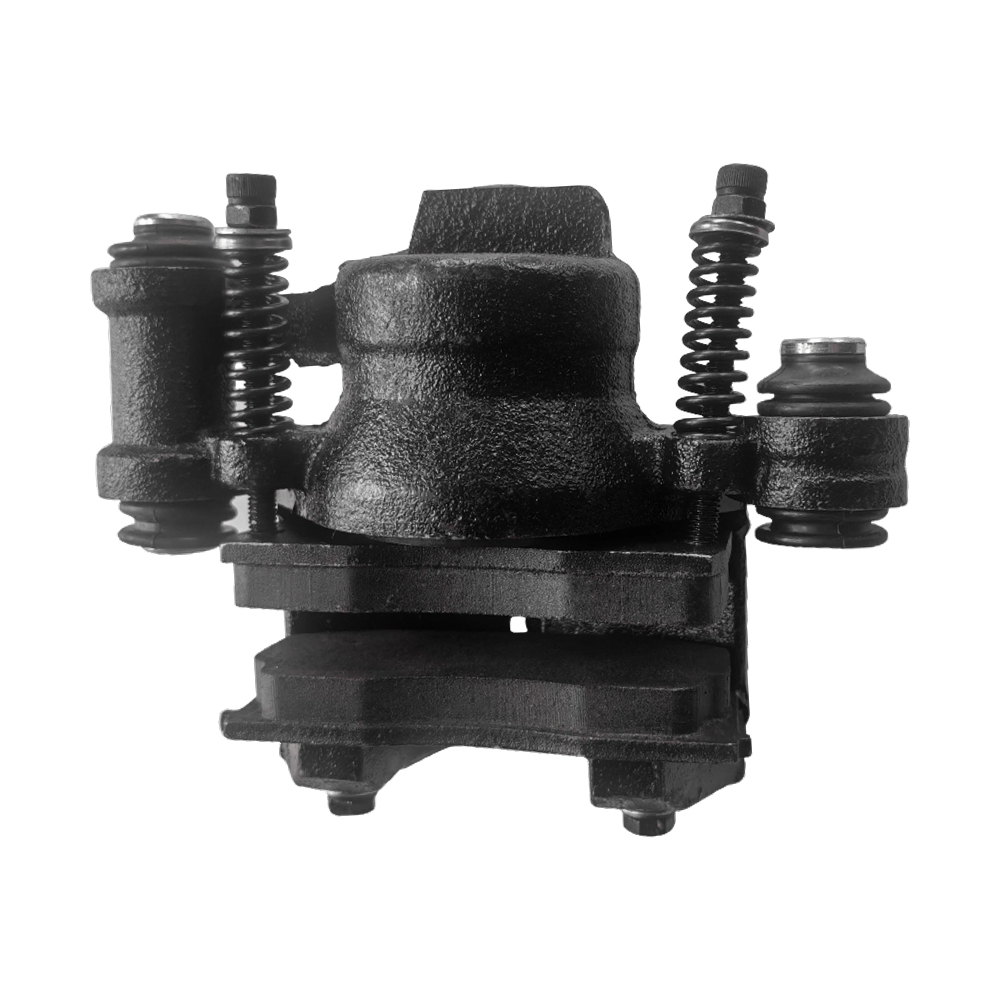
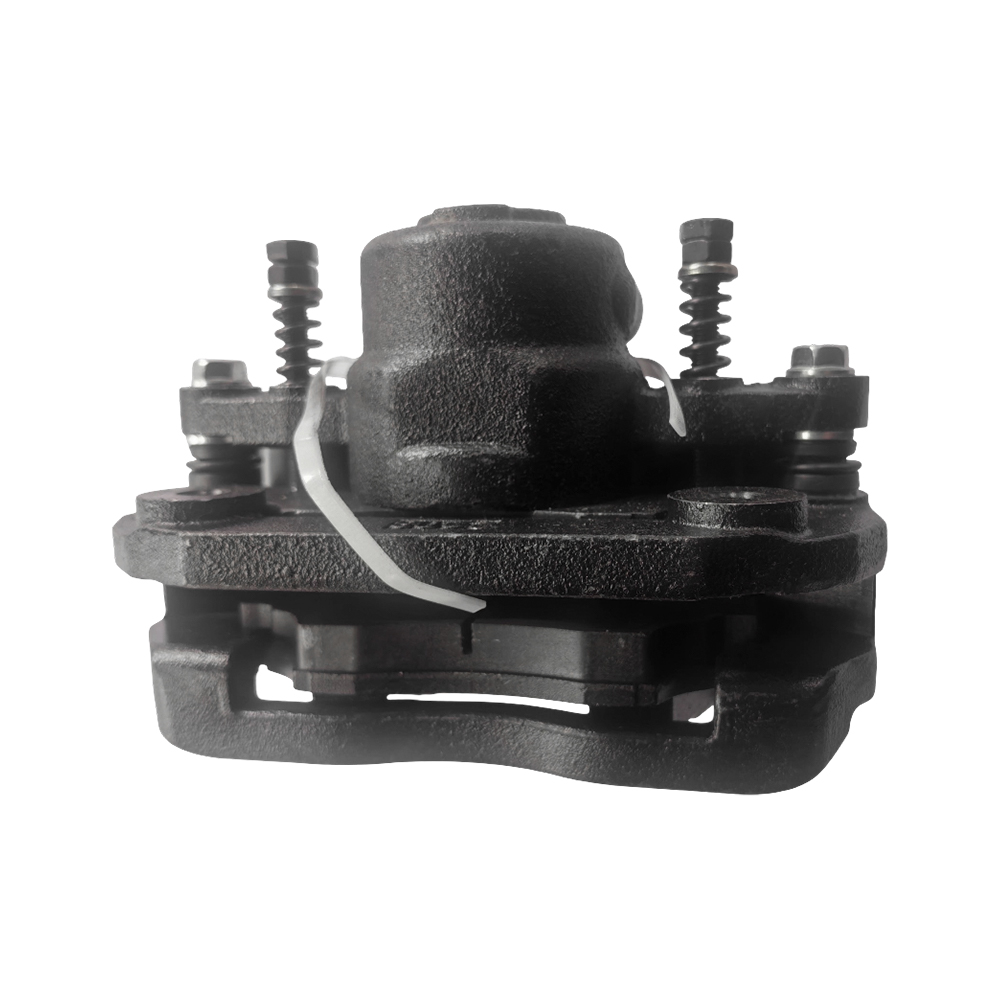
A typical Braking System includes a master cylinder, brake lines, calipers or wheel cylinders, friction materials, and control modules. Each component plays a direct role in pressure transmission and force amplification.
A hydraulic system uses incompressible brake fluid to transmit force. An air system uses compressed air stored in reservoirs. Hydraulic systems respond quickly and suit passenger vehicles. Air systems handle higher loads and suit heavy-duty vehicles.
| Parameter | Hydraulic Brake | Air Brake |
| Medium | Brake Fluid | Compressed Air |
| Response Time | Fast | Slightly Slower |
| Typical Application | Passenger Cars | Commercial Vehicles |
The hydraulic disc braking system for passenger cars uses Pascal’s law to multiply pedal force. The driver presses the pedal, and the master cylinder generates hydraulic pressure. The caliper pistons push brake pads against the rotating disc.
The master cylinder maintains sealed pressure. The system uses DOT-rated brake fluid with high boiling point. Engineers specify fluid compressibility below 1% under operating pressure to ensure pedal stability.
Disc brakes dissipate heat faster than drum brakes. Drum brakes provide larger friction surface but trap heat more easily. Disc systems resist brake fade under repeated braking.
| Feature | Disc Brake | Drum Brake |
| Heat Dissipation | Excellent | Moderate |
| Brake Fade Resistance | High | Lower |
| Maintenance Complexity | Lower | Higher |
The commercial vehicle air braking system components include an air compressor, storage tank, brake chamber, relay valve, and slack adjuster. The compressor builds pressure up to 8–12 bar. The reservoir stores compressed air for repeated braking cycles.
Air brakes include spring brake chambers. The spring applies braking force automatically when pressure drops. This design ensures fail-safe operation in case of leakage.
| Component | Function |
| Air Compressor | Generates compressed air |
| Reservoir | Stores pressurized air |
| Brake Chamber | Converts air pressure to force |
| Relay Valve | Improves response time |
An automotive braking system maintenance checklist ensures system reliability and regulatory compliance. Preventive inspection reduces unexpected downtime.
Preventive maintenance reduces lifecycle cost. Reactive repair increases downtime and replacement expense.
| Maintenance Strategy | Cost Impact | Risk Level |
| Preventive | Lower Long-Term | Low |
| Reactive | Higher | High |
The regenerative braking system in electric vehicles converts kinetic energy into electrical energy. The motor operates as a generator during deceleration. The battery stores recovered energy for reuse.
Regenerative systems reduce wear on friction components. Conventional systems rely solely on mechanical friction.
| Feature | Regenerative Brake | Conventional Brake |
| Energy Recovery | Yes | No |
| Pad Wear | Reduced | Higher |
| Efficiency Impact | Positive | Neutral |
An anti lock braking system troubleshooting guide helps technicians diagnose sensor or hydraulic modulator faults. The ABS controller monitors wheel speed sensors. The ECU adjusts brake pressure to prevent wheel lock.
| Issue | Possible Cause | Diagnostic Action |
| ABS Warning Light | Sensor Fault | Scan ECU Codes |
| Pulsation Failure | Valve Sticking | Hydraulic Test |
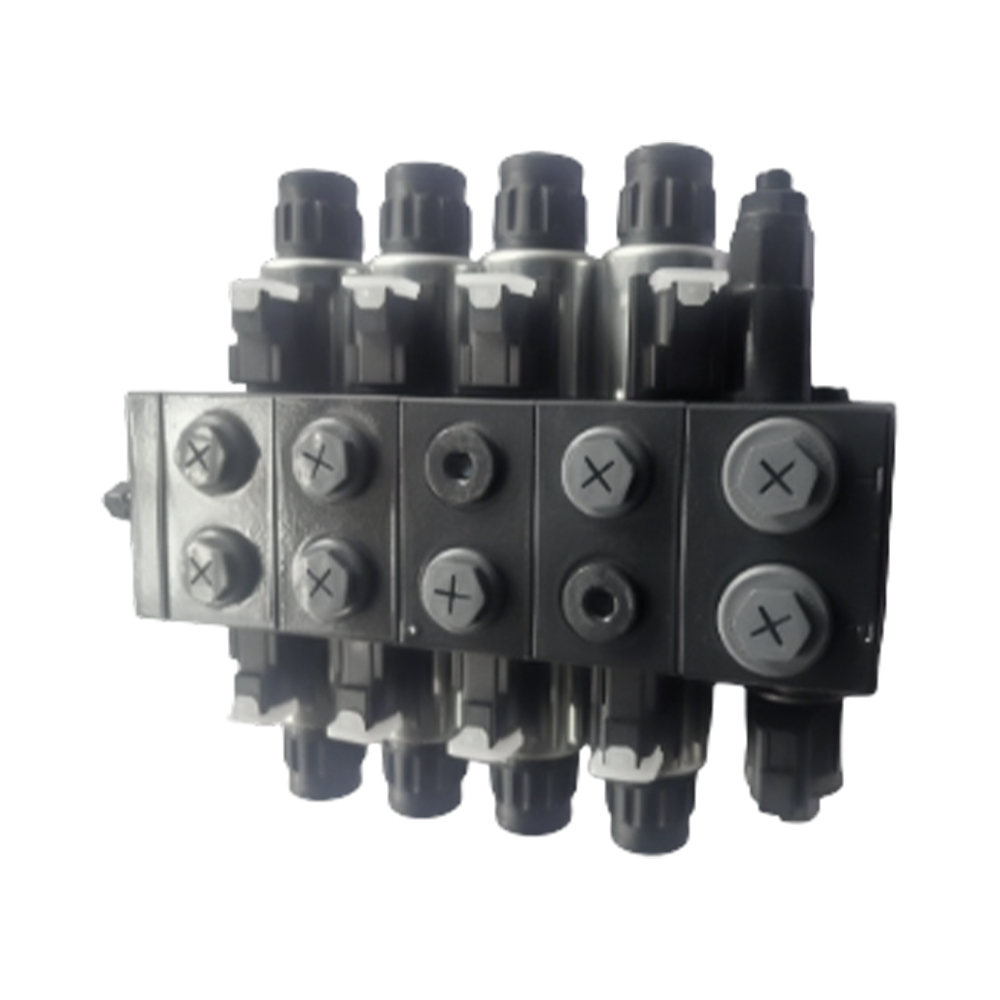
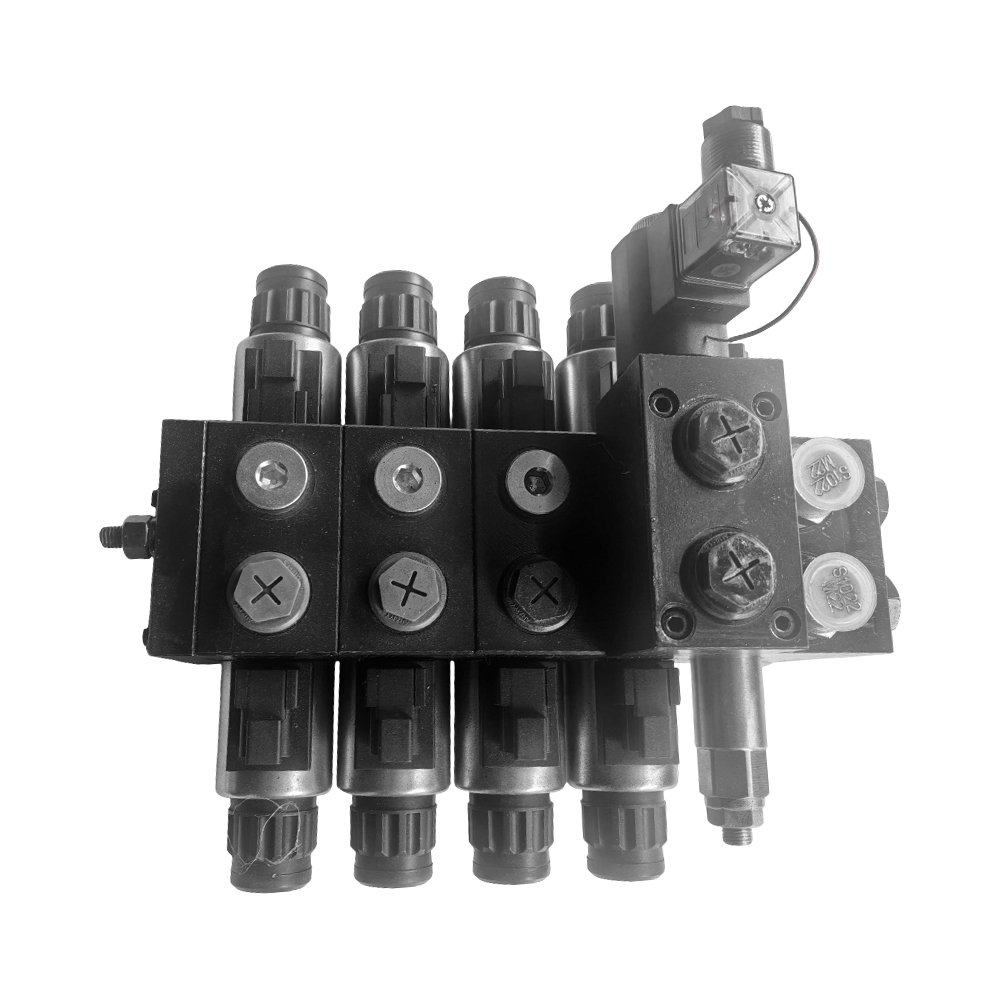
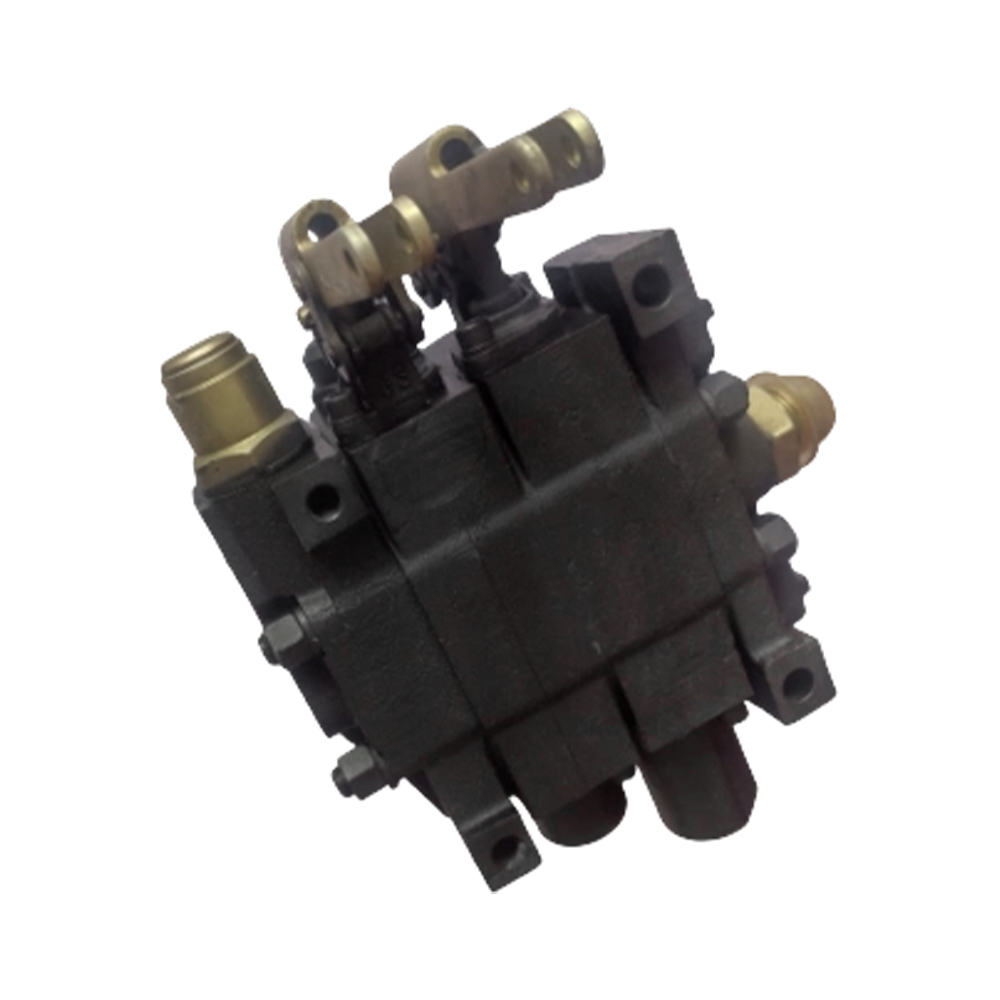
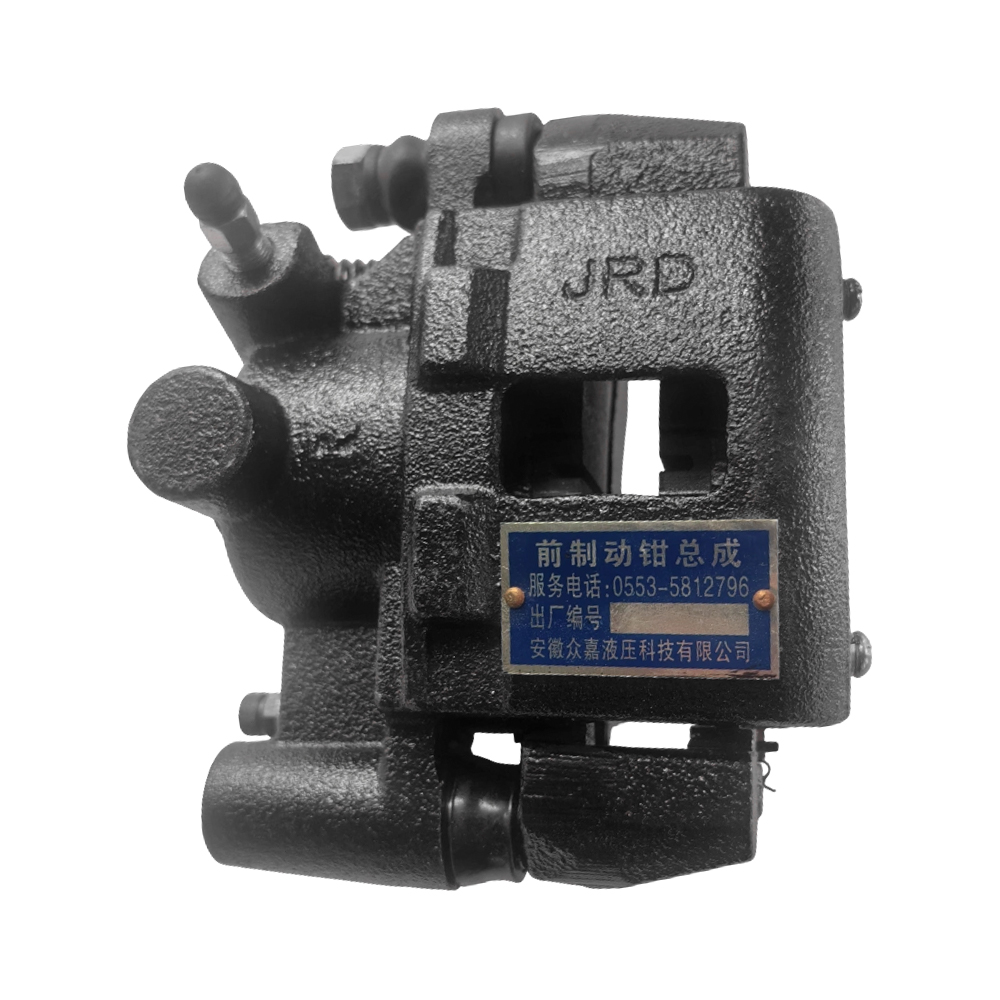
Anhui Zhongjia Hydraulic Technology Co., Ltd. is a professional manufacturer of hydraulic directional control valves and braking systems in China. The company was founded in 2020 and integrates product design, research, development, production, and sales of hydraulic systems and Braking System solutions for automobiles and agricultural machinery.
The company continues nearly 20 years of industry expertise through the complete takeover of an established enterprise. The company ensures continuity in research and development, production control, and after-sales service. The engineering team focuses on hydraulic precision, sealing reliability, and system durability under demanding working conditions.
A braking system controls vehicle speed and ensures safe stopping by converting motion into heat or electrical energy.
Commercial vehicles require higher braking force and fail-safe capability, which air systems provide effectively.
Most manufacturers recommend replacement every 2 years, depending on moisture content and usage conditions.
Regenerative braking supports but does not fully replace mechanical braking systems.
Brake fade occurs when excessive heat reduces friction efficiency between pads and discs.
Recommended Products

Contact Info.
+86-159 9623 5291
No. 5, Chuangye Road, Niandou Industrial Park, Ma'anshan City, Anhui Province, China
MOBILE QR CODE

 English
  Español