Introduction
The Importance of the Automotive Brake Caliper
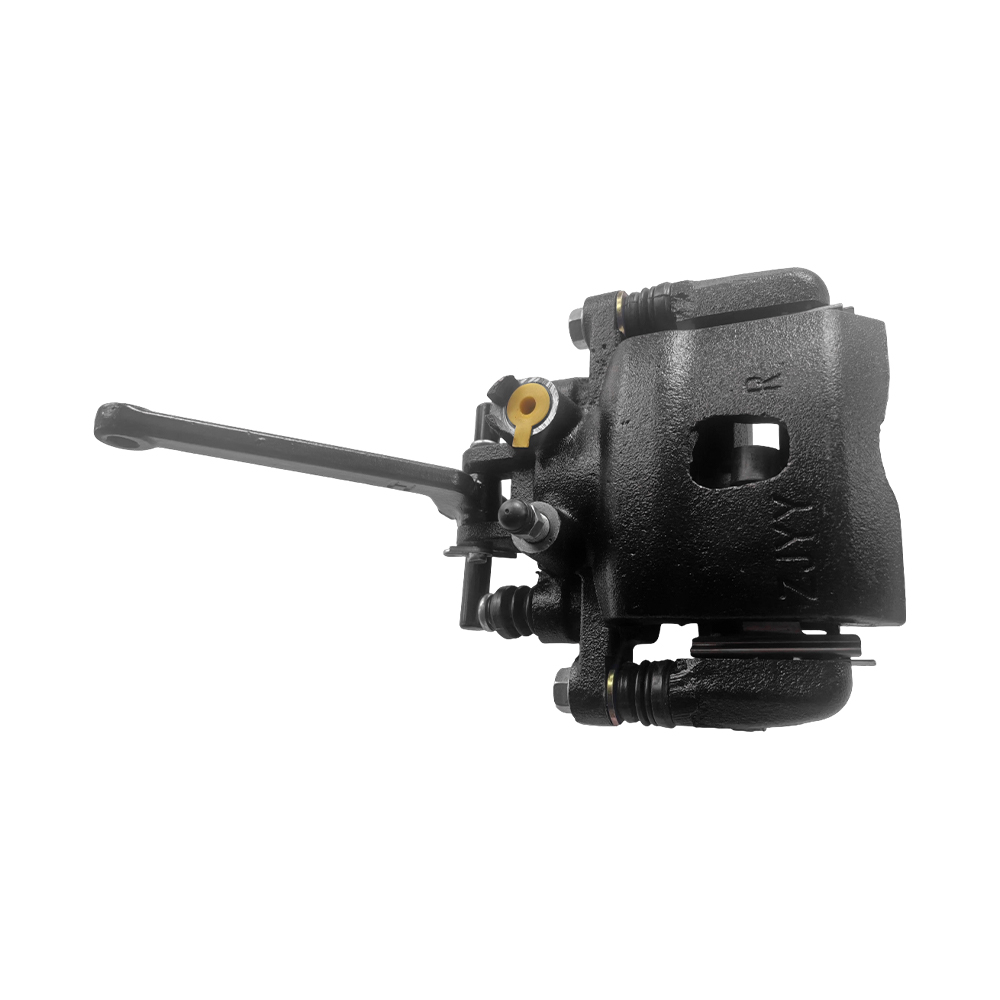
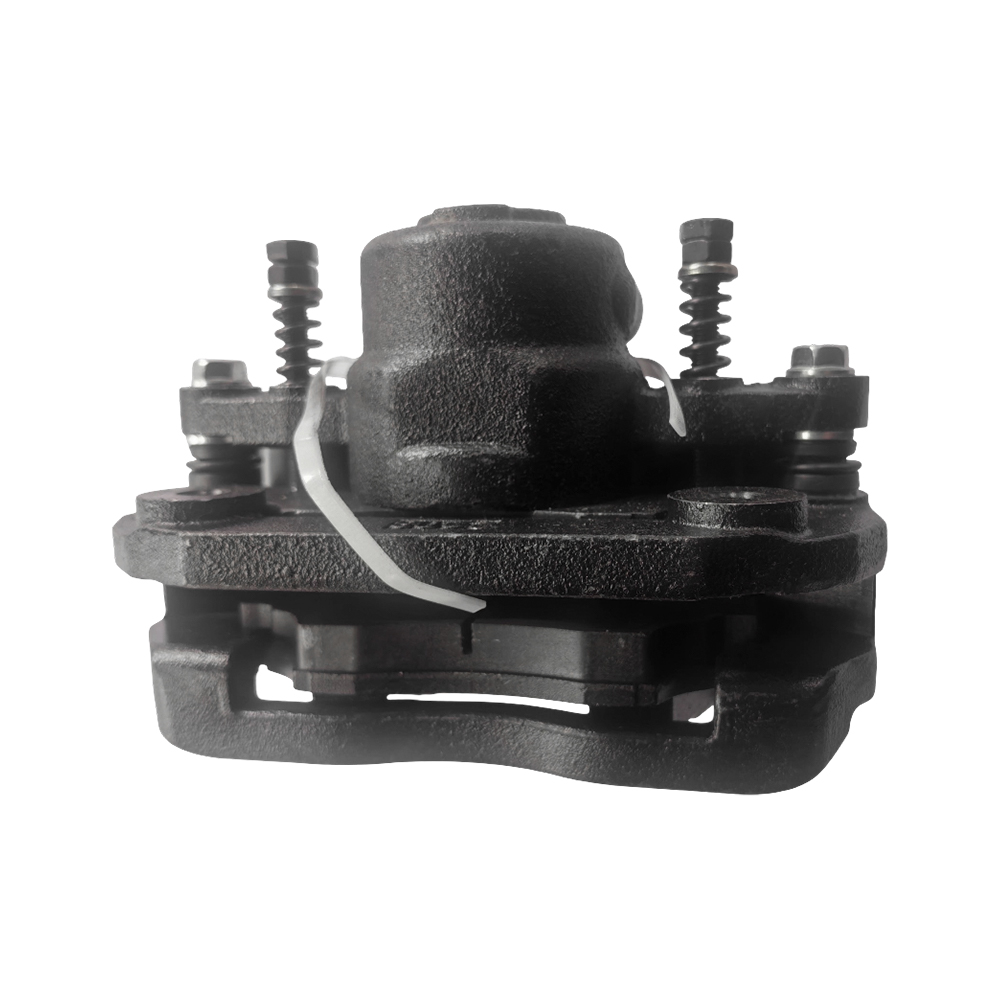
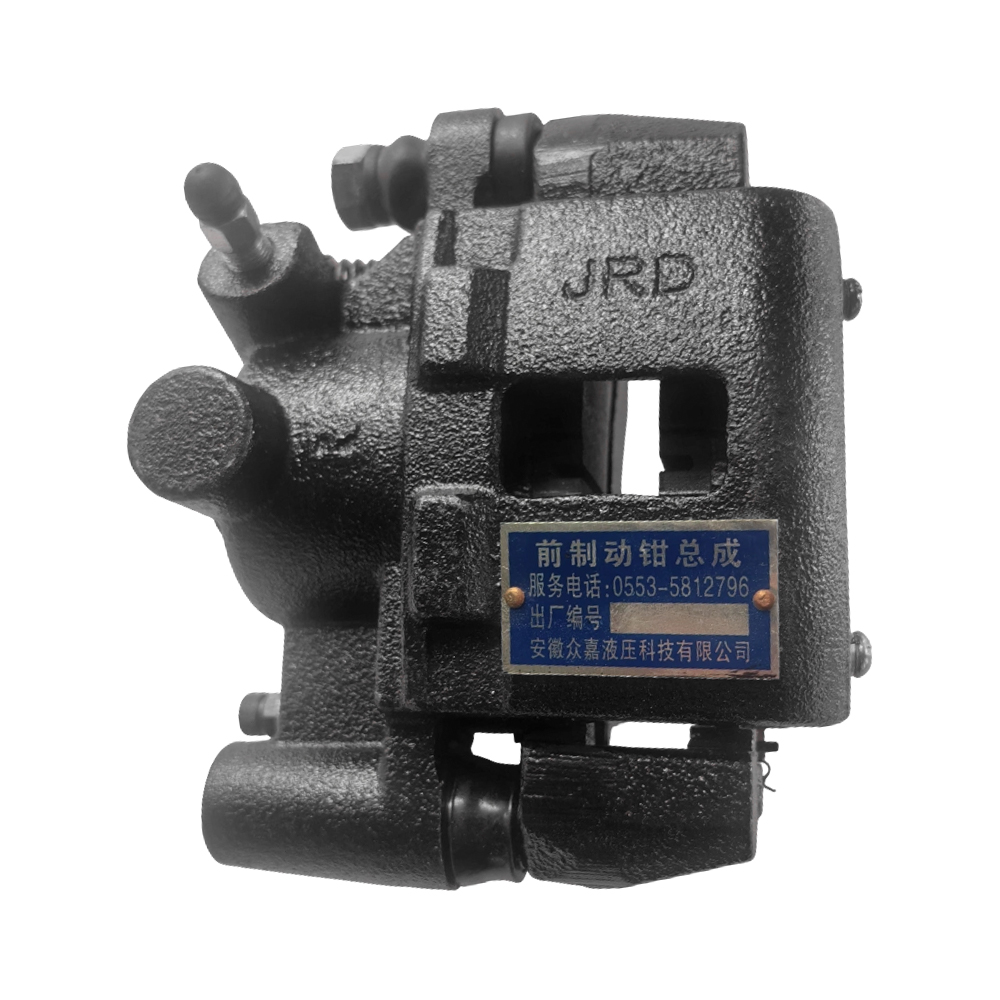
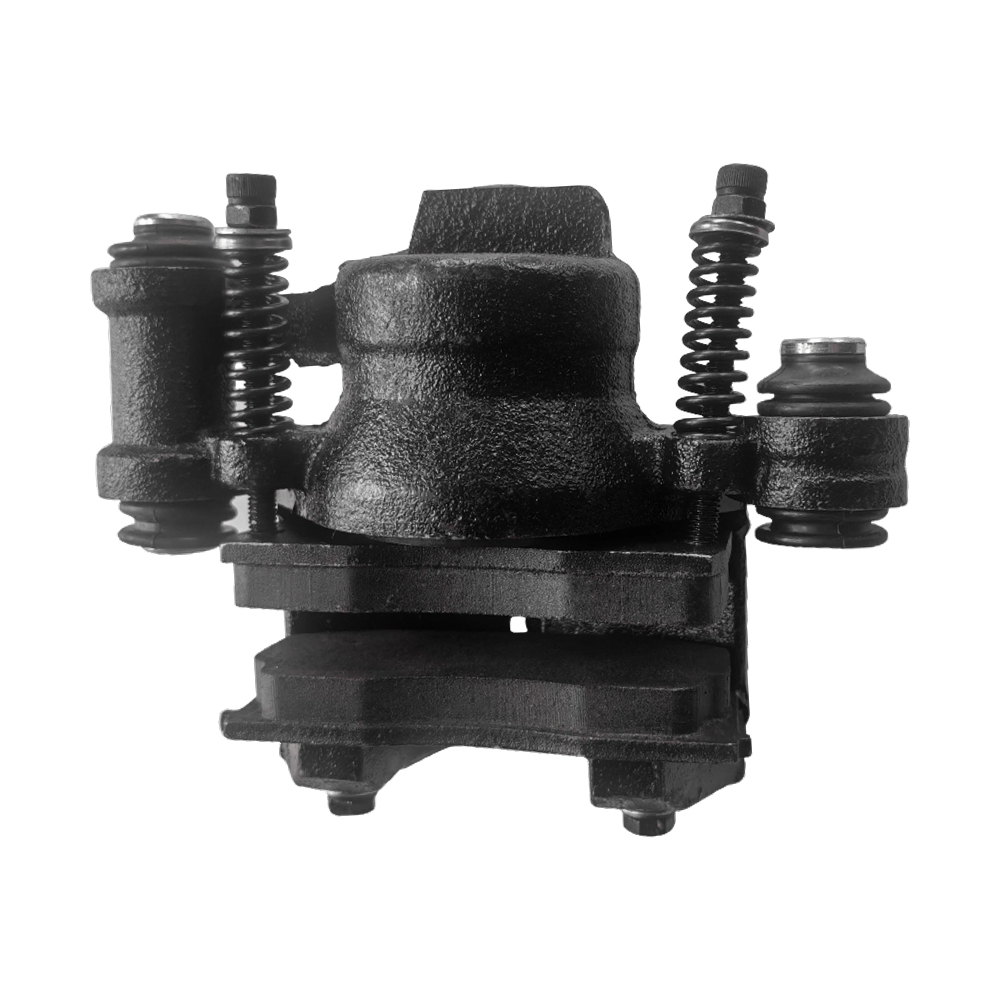
The automotive brake caliper is an essential component of a vehicle’s braking system. This part is responsible for clamping the brake pads against the brake rotors to create the friction needed to slow or stop the vehicle. It operates through hydraulic pressure, which allows it to apply force to the brake pads when the driver presses the brake pedal.
Without a properly functioning automotive brake caliper, the vehicle’s braking performance can be severely compromised. The brake system’s efficiency relies heavily on the proper operation of each component, and the caliper plays a critical role in ensuring that the braking force is evenly distributed. Therefore, regular monitoring of this part is necessary for ensuring the safety and performance of the vehicle.
Why Identifying a Faulty Brake Caliper Is Important for Vehicle Safety
A faulty automotive brake caliper can lead to a wide range of braking issues, some of which are serious enough to cause accidents or even fatalities. When a caliper malfunctions, it can cause uneven braking pressure, which may result in the vehicle pulling to one side or experiencing reduced stopping power. It can also cause premature wear of brake components, such as rotors and pads, leading to costly repairs if left unaddressed.
The inability to effectively stop the vehicle in an emergency situation due to a malfunctioning caliper is one of the key safety risks. For instance, a sticking caliper can prevent the brake pads from fully releasing, causing excessive friction and heat. This not only leads to brake fade but also increases the risk of overheating, which can damage other parts of the braking system.
Understanding the Automotive Brake Caliper
The Role of the Automotive Brake Caliper in the Braking System
The automotive brake caliper plays a pivotal role in the vehicle’s braking system. When you press the brake pedal, hydraulic fluid is sent to the caliper, which forces its pistons to push the brake pads against the rotor. The friction created by this action slows down or stops the wheel from spinning, thereby decelerating the vehicle.
In most modern vehicles, brake calipers are an essential component of disc brakes, which have largely replaced drum brakes due to their superior performance and heat dissipation. The automotive brake caliper ensures that the force required to stop the vehicle is applied consistently and effectively. If the caliper fails or does not function properly, it can compromise the entire braking system’s ability to safely slow or stop the vehicle.
Types of Automotive Brake Calipers
There are different types of brake calipers used in modern vehicles. Each type has distinct characteristics, and understanding these variations is important when diagnosing issues related to brake calipers.
Fixed Calipers
A fixed caliper remains stationary while the pistons on either side of the rotor apply pressure to the brake pads. These calipers are usually found on high-performance or luxury vehicles. The main advantage of a fixed caliper is that it applies more even pressure to the brake pads, resulting in better braking performance and reduced wear.
- Advantages: Even braking force, greater precision, and performance.
- Disadvantages: More complex and expensive to manufacture, heavier, and harder to service.
Floating Calipers
A floating caliper moves slightly inboard when the brake pedal is pressed. It uses a single piston located on one side of the rotor, which pushes the brake pads against the rotor. As the caliper moves, the other pad is pushed against the opposite side of the rotor. Floating calipers are more commonly used in everyday vehicles due to their simpler design and cost-effectiveness.
- Advantages: Less complex, easier to maintain, and more affordable.
- Disadvantages: Uneven pressure distribution may occur, leading to potential uneven wear on the brake pads and rotors.
Single-Piston vs. Multi-Piston Calipers
Brake calipers are further classified based on the number of pistons they contain.
-
Single-Piston Calipers: These calipers have one piston that pushes the brake pads against the rotor. They are commonly found in standard passenger vehicles due to their simplicity and lower cost.
-
Multi-Piston Calipers: These calipers have two or more pistons on each side of the rotor. They provide better, more even pressure distribution, which results in enhanced braking performance. Multi-piston calipers are commonly found in high-performance vehicles, racing cars, and trucks.
- Advantages of Multi-Piston Calipers: Increased braking power, better heat dissipation, and improved performance under heavy use.
- Disadvantages: Higher cost and more complex maintenance.
Radial and Axial Calipers
In some performance vehicles, radial calipers (with the pistons mounted radially around the rotor) are used for their superior rigidity, while axial calipers are typically found in standard vehicles where less precision is acceptable.
Materials Used in Manufacturing Automotive Brake Calipers
The materials used in the manufacturing of the automotive brake caliper have a significant impact on its durability, weight, and heat dissipation properties. The most common materials include:
Aluminum
Aluminum is widely used in high-performance vehicles and modern cars due to its lightweight nature. It helps reduce the overall weight of the brake system, improving vehicle performance and fuel efficiency.
- Advantages: Lightweight, good corrosion resistance, and efficient heat dissipation.
- Disadvantages: Can be more expensive than other materials.
Cast Iron
Cast iron is commonly used in standard or economy vehicles due to its durability and cost-effectiveness. It is stronger than aluminum but heavier, which can slightly affect performance.
- Advantages: Strong, durable, and affordable.
- Disadvantages: Heavier, which can negatively affect vehicle performance and fuel economy.
Carbon Composite and Carbon Fiber
In ultra-high-performance vehicles or racing cars, carbon composite materials or carbon fiber are sometimes used for calipers. These materials are incredibly strong and lightweight, though they are more expensive and are primarily used in specialized applications.
- Advantages: Extremely lightweight, excellent heat dissipation.
- Disadvantages: High cost and limited to performance-focused applications.
Basic Anatomy of an Automotive Brake Caliper
Understanding the anatomy of the automotive brake caliper is crucial for diagnosing potential issues and performing maintenance. A typical brake caliper consists of several components:
- Pistons: The pistons apply pressure to the brake pads when hydraulic fluid is introduced. The number and type of pistons vary depending on the caliper design (single-piston, multi-piston).
- Caliper Housing: The main body of the caliper that holds the pistons and supports the brake pads.
- Seals: Seals are used to prevent brake fluid from leaking and to keep contaminants out. Damaged or worn seals can lead to brake fluid leaks or caliper malfunction.
- Brake Pads: The brake pads are housed inside the caliper and are pressed against the brake rotor when the caliper is engaged. These pads wear down over time and need to be replaced periodically.
- Caliper Bolts and Mounting Brackets: These secure the caliper to the vehicle’s suspension system and ensure that it aligns correctly with the rotor.
How the Automotive Brake Caliper Works
When the driver presses the brake pedal, hydraulic fluid is pumped from the master cylinder into the brake lines, applying pressure to the pistons inside the caliper. The pistons push the brake pads against the brake rotor, creating friction that slows down the wheel.
As the brake pedal is released, the hydraulic pressure drops, and the caliper’s pistons retract, allowing the brake pads to disengage from the rotor. This cycle repeats every time the brake pedal is pressed, with the calipers facilitating the braking process.
Signs of a Faulty Automotive Brake Caliper
1. Uneven Brake Pad Wear
One of the most common indicators of a faulty automotive brake caliper is uneven wear on the brake pads. The brake pads should wear down evenly, but if a caliper is malfunctioning, it can cause excessive wear on one side of the pad, or in extreme cases, result in only one pad being worn down significantly.
Causes of Uneven Wear:
- Sticky or Frozen Caliper Pistons: The piston inside the caliper may stick or seize, preventing the brake pad from releasing properly. This can cause excessive friction on one side of the pad, leading to uneven wear.
- Misalignment: If the caliper is not aligned properly with the rotor, it can lead to uneven pressure distribution, causing one side of the brake pad to wear faster than the other.
- Contaminants: Dirt, rust, or other contaminants on the caliper or pads can affect how the caliper presses against the rotor, leading to abnormal wear.
Symptoms of Uneven Wear:
- One brake pad is noticeably thinner than the other.
- The vehicle experiences reduced braking performance or strange noises from the affected wheel.
How to Diagnose Uneven Wear:
- Inspect the brake pads for evenness. If one side is worn down much faster than the other, it is a sign that the caliper may be sticking or misaligned.
- A visual inspection can often reveal if the caliper is functioning properly by checking for rust or damage.
2. Vehicle Pulling to One Side While Braking
If you notice your vehicle pulling to one side when braking, it could be due to a faulty automotive brake caliper. This occurs when the brake caliper on one side of the vehicle is not applying uniform pressure, leading to one side of the vehicle slowing down more quickly than the other.
Causes of Pulling:
- Sticking Caliper: A caliper that is not releasing properly can cause the brake pads to remain in contact with the rotor on one side, creating uneven braking force.
- Brake Fluid Leak: If the brake fluid level is low due to a leak in the caliper or brake lines, the braking force can be compromised, causing the vehicle to pull to one side.
- Worn Brake Pads or Rotors: If one set of brake pads or rotors is more worn than the other, it can cause uneven braking forces, leading to pulling.
Symptoms of Pulling:
- The vehicle consistently pulls to the left or right when you apply the brakes.
- The issue may become more pronounced when braking at higher speeds or during emergency braking situations.
How to Diagnose Pulling:
- Check the brake fluid levels to ensure there are no leaks or fluid loss.
- Inspect the brake pads and rotors for uneven wear that could cause one side of the vehicle to slow down more than the other.
- Test drive the vehicle and note the direction it pulls when braking.
3. Vibration or Pulsing While Braking
If your vehicle experiences a vibration or pulsing feeling when you press the brake pedal, this could be another sign of a faulty automotive brake caliper. Vibration or pulsing is often associated with warped brake rotors, but a malfunctioning caliper can also contribute to this issue.
Causes of Vibration:
- Warped Rotors: If the caliper applies uneven pressure to the rotor, it can cause the rotor to become unevenly worn or warped. A warped rotor will cause the brake pads to move unevenly, creating a pulsing sensation during braking.
- Caliper Dragging: When a caliper does not fully release, the brake pads can remain in constant contact with the rotor, generating heat and causing the rotors to warp over time.
- Contaminated Caliper: A caliper that is contaminated with dirt or old brake fluid can result in uneven braking pressure, which may lead to vibration or a pulsing sensation.
Symptoms of Vibration:
- A noticeable vibration or pulsation when pressing the brake pedal.
- The pulsing may become more pronounced at higher speeds or during emergency braking.
- You may feel a “bouncing” sensation in the brake pedal.
How to Diagnose Vibration:
- Inspect the brake rotors for warping or excessive wear.
- Check the calipers for any visible signs of sticking or contamination.
- Test the brake pads to see if they are wearing evenly.
4. Brake Fluid Leak
Brake fluid leaks are a serious issue that can indicate a faulty automotive brake caliper. Brake calipers are sealed components, and any breach in their seal can cause brake fluid to leak out, which leads to a loss of hydraulic pressure. Without enough brake fluid, the braking system will not function properly.
Causes of Brake Fluid Leaks:
- Worn or Cracked Seals: Over time, the seals in the brake caliper can wear out, crack, or deteriorate, causing brake fluid to leak. This can also result in air entering the brake lines, which further reduces braking efficiency.
- Corrosion: Brake calipers that are exposed to moisture or road salt can corrode, leading to cracks in the caliper housing or seals.
- Damaged Caliper Housing: A caliper housing can become cracked or damaged due to wear and tear or an impact from road debris, allowing brake fluid to leak out.
Symptoms of Brake Fluid Leak:
- The brake fluid warning light on the dashboard turns on.
- The brake pedal feels soft or spongy when pressed.
- You notice brake fluid puddles on the ground underneath the vehicle or around the wheels.
- A decrease in braking performance, especially in high-demand situations.
How to Diagnose Brake Fluid Leaks:
- Inspect the caliper housing, seals, and brake lines for visible leaks.
- Check the brake fluid reservoir to see if the fluid level is low.
- Perform a visual check around the wheel area for signs of fluid leakage.
5. Unusual Noise During Braking
A faulty automotive brake caliper can also produce unusual noises when the brake system is engaged. These noises are often an indicator that something is wrong with the caliper, such as it sticking, not releasing properly, or being misaligned.
Types of Noises:
- Grinding Noise: This occurs when the caliper is not releasing fully, causing the brake pads to stay in contact with the rotor. This leads to excessive friction and a grinding noise as the brake pads scrape against the rotor.
- Squealing or Squeaking Noise: If the caliper is misaligned or the pads are improperly positioned within the caliper, you may hear a high-pitched squealing sound. This can also happen if the brake pads are excessively worn.
- Clicking or Rattling Noise: A loose or broken caliper may make a clicking or rattling noise as it shifts during braking.
Symptoms of Unusual Noise:
- A persistent grinding sound when applying the brakes.
- A high-pitched squeal or squeak, especially when the brake pads are nearing their end of life.
- Unusual clicking, rattling, or shifting sounds while driving.
How to Diagnose Unusual Noise:
- Inspect the brake pads and rotor for wear or damage.
- Check the caliper and its mounting for any loose or broken parts.
- Listen for any abnormal sounds while performing a brake test.
Diagnosing a Faulty Automotive Brake Caliper
1. Visual Inspection
The first step in diagnosing a faulty automotive brake caliper is to conduct a thorough visual inspection. This will allow you to identify any obvious signs of malfunction, such as fluid leaks, corrosion, or physical damage.
Key Areas to Inspect:
- Brake Pads and Rotors: Check for uneven wear on the brake pads. If one side is much thinner than the other, the caliper may be malfunctioning. Also, inspect the rotors for signs of wear or warping.
- Brake Fluid Leaks: Inspect around the caliper, brake lines, and wheel area for any visible fluid leaks. Leaking brake fluid could indicate a damaged seal or caliper housing.
- Corrosion: Look for signs of rust or corrosion on the caliper itself, especially if the vehicle is exposed to wet or salty environments. Corrosion can cause the caliper to seize or function improperly.
- Pistons and Seals: Inspect the pistons within the caliper for any signs of damage, rust, or contamination. The seals around the pistons should be intact and free from cracks.
How to Perform the Inspection:
- Raise the vehicle using a jack and secure it with jack stands.
- Remove the wheel to expose the brake caliper and rotor.
- Visually check for signs of leaks, rust, or damage around the caliper, pads, and rotors.
- Use a flashlight if needed to get a better view of the caliper components.
2. Listening for Unusual Sounds
Listening carefully to any unusual noises during braking can provide valuable clues to the condition of the automotive brake caliper. Different sounds indicate different types of malfunctions that may be occurring within the caliper or braking system.
Types of Sounds and What They Mean:
- Grinding Noise: If the brake pads are constantly in contact with the rotor due to a sticking caliper, a grinding noise can occur. This may also indicate worn-out brake pads that are no longer able to properly cushion the rotor.
- Squealing or Squeaking: A high-pitched squealing or squeaking sound is often caused by the brake pads wearing down too much, or it could indicate that the caliper is misaligned or the pads are improperly positioned.
- Clicking or Rattling: A clicking or rattling noise can occur if the caliper is loose or there is a broken part inside the caliper assembly. This noise can also be a sign of a problem with the caliper mounting hardware.
How to Listen for Unusual Sounds:
- Drive the vehicle in a safe area and apply the brakes at different speeds to listen for any abnormal noises.
- Pay attention to the type of sound (grinding, squealing, clicking) and note when it occurs (e.g., only when braking hard or during light braking).
- If the noise only occurs when braking, it could be a sign of an issue with the brake caliper, pads, or rotors.
3. Performing a Brake Test
Performing a brake test is an essential part of diagnosing a faulty automotive brake caliper. This test will allow you to assess the overall performance of the brake system and identify any issues related to braking force, pedal feel, or vehicle pulling.
Key Components of the Brake Test:
- Brake Pedal Feel: When you press the brake pedal, it should feel firm and consistent. If the pedal feels soft, spongy, or excessively hard, this could indicate a problem with the brake caliper or hydraulic system.
- Pulling to One Side: If the vehicle pulls to one side during braking, this could be caused by a malfunctioning brake caliper that is not applying even pressure to the brake pads. A sticky or frozen caliper may be causing the pads on one side to stay in contact with the rotor longer than necessary.
- Vibration or Pulsing: A pulsing or vibrating brake pedal may indicate a warped rotor, but it can also be caused by a malfunctioning caliper that is not applying even pressure. This uneven pressure can cause the rotor to warp over time, leading to pulsation during braking.
How to Perform the Brake Test:
- Drive the vehicle in a safe, straight line at low speed.
- Gradually apply the brake pedal and observe the pedal feel. A healthy brake system should provide a firm, responsive pedal.
- Test the vehicle at higher speeds and apply the brakes sharply. If the vehicle pulls to one side, or if you feel vibration or pulsing, there may be an issue with the caliper.
- If the vehicle does not stop evenly, this could indicate that one of the calipers is not releasing properly or is applying uneven pressure.
4. Professional Diagnosis
If you are unable to identify the problem during a visual inspection or brake test, it may be time to seek professional help. A mechanic can conduct a more thorough diagnosis and identify issues that may not be visible to the naked eye. Mechanics have the tools and experience needed to test the brake system hydraulically and address any problems with the brake calipers.
What to Expect During a Professional Inspection:
- Hydraulic Pressure Test: A mechanic will use specialized equipment to test the hydraulic pressure in the brake lines to ensure that the calipers are receiving the proper amount of fluid and pressure.
- Brake Fluid and Line Inspection: The mechanic will check the brake fluid level and inspect the brake lines for any leaks or damage that could be affecting caliper performance.
- Caliper Functionality Test: The mechanic will check the caliper pistons to ensure they are moving freely and not sticking or seizing.
- Rotor and Pad Inspection: The mechanic will inspect the brake pads for uneven wear and check the rotors for signs of warping, cracking, or excessive wear.
When to Seek Professional Help:
- If you notice persistent issues with braking, such as pulling, vibration, or poor pedal feel.
- If you are unable to find the source of a brake fluid leak or suspect the caliper is leaking.
- If you do not feel comfortable performing the inspection or brake test yourself.
Consequences of a Faulty Brake Caliper
1. Reduced Braking Performance
A faulty automotive brake caliper can significantly reduce the overall braking performance of a vehicle. The caliper is responsible for pressing the brake pads against the brake rotor to generate friction, and any malfunction in this process will directly affect the vehicle’s ability to stop effectively.
Impact on Braking Efficiency:
- Inconsistent Braking Force: A malfunctioning caliper can cause uneven pressure on the brake pads, resulting in inconsistent braking force. This can lead to longer stopping distances and reduced control over the vehicle.
- Weak Braking: If the caliper is not applying enough pressure or if the brake pads are not engaging properly, the brakes may feel less responsive or weak. This can be dangerous in emergency situations, where fast and reliable braking is crucial.
- Increased Stopping Distance: A malfunctioning caliper can cause one wheel to slow down less than the other, leading to a longer stopping distance. This compromises the vehicle’s overall ability to stop safely, especially at higher speeds.
Symptoms:
- A soft or spongy brake pedal.
- Longer stopping distances.
- Reduced confidence in braking, especially in high-speed or emergency braking scenarios.
2. Brake Overheating
Another major consequence of a faulty automotive brake caliper is brake overheating. When the caliper does not release properly or sticks, the brake pads may remain in contact with the rotor for longer periods than necessary. This creates excessive friction and heat, leading to overheating of the brake components.
Consequences of Overheating:
- Brake Fade: Overheated brakes lose their ability to generate friction effectively, which results in a decrease in braking power. This condition, known as brake fade, is extremely dangerous as it reduces the vehicle’s ability to stop effectively.
- Damaged Brake Pads and Rotors: Overheating can cause the brake pads and rotors to wear out faster, leading to permanent damage. The heat generated by the friction can cause the rotor to warp, leading to vibrations and pulsations during braking.
- Degraded Brake Fluid: Brake fluid can overheat and degrade if exposed to excessive temperatures, causing it to lose its effectiveness. This can lead to air entering the brake lines, further reducing braking performance.
Symptoms:
- A burning smell during or after braking.
- Discoloration on the brake pads or rotors, indicating excessive heat.
- Brake performance degradation, including weak braking or increased pedal effort.
3. Loss of Brake Fluid
A faulty automotive brake caliper can also lead to brake fluid loss. The caliper is a sealed component, and any leaks caused by damaged seals or corroded parts can allow brake fluid to escape from the system. A loss of brake fluid reduces hydraulic pressure, which is necessary for the caliper to function.
Consequences of Brake Fluid Loss:
- Soft or Spongy Brake Pedal: As brake fluid leaks, air can enter the brake lines, causing the brake pedal to feel soft or spongy. This means that the brakes may not engage properly when the pedal is pressed.
- Complete Brake Failure: If enough brake fluid is lost, the hydraulic system can fail completely, leading to a complete inability to stop the vehicle. This is one of the most dangerous scenarios and requires immediate attention.
- Uneven Braking: If brake fluid loss occurs in only one caliper, it can cause uneven braking between the left and right sides of the vehicle, leading to pulling or instability while driving.
Symptoms:
- Brake fluid warning light on the dashboard.
- Low brake fluid levels.
- Soft or spongy brake pedal when pressed.
- Leaking fluid around the caliper or brake lines.
4. Safety Risks
The most critical consequence of a faulty automotive brake caliper is the increased safety risk to the driver and passengers. A malfunctioning caliper can affect the vehicle’s ability to stop reliably, putting the driver, passengers, and others on the road in immediate danger.
Potential Risks:
- Loss of Control: A stuck or dragging caliper can cause the vehicle to pull to one side, making it difficult for the driver to control the vehicle, especially in emergency situations.
- Brake Failure: In severe cases, a faulty caliper can lead to complete brake failure, where the vehicle becomes impossible to stop. This is especially dangerous at high speeds or in traffic conditions.
- Increased Accident Risk: If the brakes are not working effectively, the risk of accidents significantly increases. A driver may not be able to stop in time to avoid a collision, especially in situations requiring quick reflexes.
Symptoms:
- Vehicle pulling to one side during braking.
- Inability to stop the vehicle in emergency situations.
- Reduced braking effectiveness, particularly at high speeds or in adverse weather conditions.
5. Increased Repair and Maintenance Costs
Neglecting a faulty automotive brake caliper can lead to more expensive repairs in the future. A minor issue with the caliper, such as a sticking piston or a leaking seal, can worsen over time and cause damage to other brake components, such as the brake pads, rotors, or brake lines. This can lead to a snowball effect where small repairs turn into larger, more costly fixes.
Consequences of Delaying Repairs:
- Worn-out Brake Pads and Rotors: A malfunctioning caliper can cause excessive wear on the brake pads and rotors, which will need to be replaced sooner than expected. This increases the cost of maintenance and can affect the vehicle’s overall braking performance.
- Brake Line Damage: A brake fluid leak caused by a faulty caliper can lead to damaged brake lines, which can be costly to repair.
- Complete Brake System Overhaul: If left unaddressed, a malfunctioning caliper can cause damage to the entire braking system, resulting in the need for a full brake replacement, which can be significantly more expensive than repairing the caliper itself.
Symptoms:
- Unusual brake wear patterns, especially on one side.
- Increased maintenance costs for brake system repairs.
- A noticeable decline in overall vehicle braking performance.
Repairing or Replacing a Faulty Automotive Brake Caliper
1. Can Brake Calipers Be Repaired?
In some cases, a faulty automotive brake caliper can be repaired rather than replaced. Whether repair is a viable option depends on the extent of the damage and the specific issue with the caliper.
Common Repairs for Brake Calipers:
- Seals Replacement: If the caliper is leaking brake fluid due to worn or damaged seals, it is possible to replace the seals without replacing the entire caliper. This is a common repair for calipers that are leaking but are otherwise in good condition.
- Piston Replacement: If the piston inside the caliper is sticking or damaged, it may be possible to replace the piston without replacing the entire caliper. This is more common in cases where the caliper is of high quality, and the rest of the caliper is still functional.
- Cleaning and Lubrication: In some cases, a brake caliper may be functioning improperly due to dirt or corrosion. Cleaning and lubricating the caliper and its components can restore proper function and improve performance.
When to Repair:
- The caliper is only leaking from the seals or has minor issues such as corrosion.
- The caliper housing is not cracked or damaged beyond repair.
- The caliper piston is sticking due to dirt or lack of lubrication, but not permanently damaged.
Limitations of Repair:
- If the caliper housing is cracked or severely corroded, repair is not feasible, and replacement is necessary.
- If the caliper has experienced excessive wear or damage that compromises its structural integrity, repair will not restore its performance to acceptable levels.
2. When Should Brake Calipers Be Replaced?
In some cases, repairing a faulty automotive brake caliper is not an option, and replacement is necessary. Knowing when to replace the caliper is critical for maintaining the safety and effectiveness of your braking system.
Reasons for Replacing a Brake Caliper:
- Cracked or Damaged Caliper Housing: If the caliper housing is cracked or severely corroded, it is no longer safe to repair. A damaged housing can lead to brake fluid leakage or further damage to the braking system.
- Severe Piston Damage: If the caliper piston is damaged beyond repair (e.g., bent, cracked, or severely rusted), replacing the caliper is the only option.
- Excessive Brake Fluid Leaks: If the caliper has developed significant leaks and cannot be repaired by replacing seals, it may be time to replace the entire caliper.
- Worn-Out Caliper: Over time, the caliper may experience general wear and tear that impacts its performance. If the caliper has become too worn, replacement is often the best solution.
Signs You Need to Replace the Brake Caliper:
- The caliper cannot be repaired due to extensive damage.
- The piston inside the caliper is stuck or severely rusted and cannot be freed.
- The caliper is leaking brake fluid from multiple points.
- The caliper has failed to perform after attempts to repair or clean it.
3. How to Replace a Faulty Brake Caliper
Replacing a faulty automotive brake caliper is a relatively straightforward process but requires certain tools and steps to ensure it is done correctly. If you choose to replace the caliper yourself, follow these steps:
Tools and Materials Required:
- Car jack and jack stands
- Lug wrench
- Wrench set
- C-clamp or brake caliper tool
- New brake caliper (ensure it is compatible with your vehicle make and model)
- Brake fluid
- Brake cleaner
- New brake pads (optional, if required)
- Socket wrench and extension
Step-by-Step Process:
-
Prepare the Vehicle:
- Park the vehicle on a flat surface, and engage the parking brake.
- Lift the vehicle using a car jack and secure it with jack stands.
- Remove the wheel to expose the brake system.
-
Remove the Brake Caliper:
- Locate the caliper bolts securing the caliper to the bracket. Use a socket wrench to remove the bolts and set them aside.
- Gently slide the caliper off the rotor. Be careful not to damage the brake line when removing the caliper.
- If you are reusing the brake pads, remove them from the caliper.
-
Disconnect the Brake Line:
- Use a wrench to disconnect the brake line from the caliper. Be prepared for some brake fluid to leak out, so have a container or cloth ready to catch the fluid.
- Once the line is disconnected, cap the brake line to prevent air and dirt from entering the system.
-
Install the New Caliper:
- Install the new brake caliper by attaching it to the bracket and securing it with the caliper bolts.
- Reconnect the brake line to the new caliper. Tighten the brake line fitting to ensure there are no leaks.
-
Reassemble the Braking System:
- If you are replacing the brake pads, install the new pads into the caliper.
- Use a C-clamp or brake caliper tool to compress the caliper piston so that it can fit over the new brake pads.
- Ensure the caliper is properly aligned with the rotor.
-
Refill and Bleed the Brake System:
- Refill the brake fluid reservoir with the appropriate brake fluid.
- Bleed the brake system to remove any air from the brake lines. This will ensure that the brakes are responsive and there is no air in the system.
- Check for any leaks in the brake lines or caliper.
-
Reinstall the Wheel:
- Once the caliper is securely installed, replace the wheel and tighten the lug nuts.
- Lower the vehicle back to the ground and remove the jack and jack stands.
-
Test the Brakes:
- Before driving, press the brake pedal to ensure it feels firm and responsive.
- Conduct a slow test drive to ensure that the brakes are functioning properly and that there are no unusual noises or behaviors.
4. When to Seek Professional Help
While replacing a brake caliper is a manageable task for many experienced DIYers, some situations may require professional help. Here are instances when seeking a mechanic’s assistance is a good idea:
Situations that Require Professional Help:
- Lack of Experience: If you are unsure about the procedure or lack the necessary tools, it is better to have a professional mechanic replace the caliper for you.
- Complicated Brake Issues: If the brake system has additional problems (e.g., issues with the master cylinder or brake booster), a professional should inspect the entire system to ensure the repair is done correctly.
- Persistent Leaks or Problems: If, after replacing the caliper, you notice continued brake fluid leakage or other braking issues, it’s best to have a professional assess the system.
Preventative Maintenance for Automotive Brake Calipers
1. Regular Inspection of Brake Calipers
One of the most effective ways to prevent issues with your automotive brake calipers is to conduct regular inspections. Early detection of wear and damage can help address minor issues before they develop into major problems.
Key Areas to Inspect:
- Brake Pads: Inspect the brake pads for wear and ensure they are evenly worn across both sides. Uneven wear can be a sign of a malfunctioning caliper.
- Caliper Housing: Look for signs of rust or corrosion, especially if your vehicle is exposed to wet or salty conditions. Corrosion can weaken the caliper housing and lead to leakage or seizing.
- Brake Fluid: Check the brake fluid level regularly and ensure it is clean. Low or dirty brake fluid can cause caliper performance issues.
- Brake Lines: Inspect the brake lines for cracks or leaks that could lead to loss of hydraulic pressure, affecting the caliper’s performance.
How to Perform the Inspection:
- Lift the vehicle and remove the wheels to expose the brake calipers.
- Inspect the brake pads for evenness and thickness.
- Examine the caliper for visible rust, cracks, or leaks.
- Check the brake fluid level and ensure the fluid is clear and at the proper level.
- Test the brake lines for any visible wear or leakage.
2. Keep Brake Components Clean and Lubricated
Dirt, debris, and contaminants can interfere with the smooth functioning of the automotive brake caliper. Regular cleaning and lubrication of the brake components can help ensure the caliper remains in optimal working condition.
Cleaning Brake Calipers:
- Use Brake Cleaner: A brake cleaner is designed to remove grease, dirt, and brake dust from brake components without damaging the caliper or pads.
- Clean the Caliper Housing: Wipe the caliper housing with a clean cloth to remove dirt and debris. Be cautious not to damage any seals or pistons.
- Clear the Caliper Piston Area: Clean the piston area carefully to ensure that it can move freely within the caliper housing.
Lubrication:
- Lubricate Sliding Components: Many calipers feature sliding pins or components that allow them to move freely. Lubricate these parts with high-temperature grease or anti-seize lubricant to prevent them from sticking or seizing.
- Lubricate Caliper Mounting Points: The points where the caliper mounts to the bracket should also be lubricated to ensure smooth movement and prevent corrosion.
Benefits of Cleaning and Lubricating:
- Prevents the caliper from sticking or seizing.
- Reduces wear on brake pads and rotors.
- Improves overall brake performance and extends the lifespan of the caliper.
3. Ensure Proper Brake Fluid Levels and Quality
Brake fluid plays a crucial role in the performance of the automotive brake caliper. Low brake fluid levels or degraded fluid can negatively impact the caliper’s function, leading to poor braking performance or complete failure.
Checking Brake Fluid:
- Monitor Fluid Levels: Regularly check the brake fluid reservoir to ensure it is within the recommended range. Low fluid levels may indicate a leak in the brake system, which should be addressed immediately.
- Inspect Fluid Condition: Brake fluid should be clear and free of contaminants. If the fluid appears dark or dirty, it may need to be flushed and replaced.
- Avoid Air in the Brake Lines: Air in the brake lines can cause a spongy brake pedal and reduce braking efficiency. Bleeding the brakes can remove air bubbles and restore hydraulic pressure.
Brake Fluid Maintenance Tips:
- Replace brake fluid every two years or as recommended by your vehicle manufacturer.
- Always use the correct type of brake fluid as specified in your vehicle’s manual.
- If you notice a drop in brake fluid levels, check for leaks around the calipers and brake lines.
4. Prevent Corrosion and Rust
Corrosion and rust are common issues, especially in vehicles exposed to wet, salty, or harsh environmental conditions. These can weaken the automotive brake caliper, leading to failure or reduced performance.
Preventing Corrosion:
- Keep Calipers Clean: Regular cleaning of the caliper and surrounding components will prevent dirt and moisture from accumulating and causing corrosion.
- Apply Anti-Corrosion Coatings: Consider applying an anti-corrosion spray or coating to the caliper housing. This can help protect the caliper from rust and environmental wear.
- Use Brake Caliper Covers: In areas with high humidity or salty environments (e.g., coastal regions), installing brake caliper covers can help protect the calipers from direct exposure to moisture and contaminants.
Signs of Corrosion:
- Visible rust or scaling on the caliper surface.
- Difficulty in moving the brake pads or caliper due to corrosion.
- Leaking brake fluid from corroded seals or caliper housing.
5. Ensure Proper Caliper Alignment and Function
Proper alignment of the automotive brake caliper is crucial for even brake pad wear and optimal braking performance. Misalignment can lead to uneven braking, increased wear on the brake pads, and reduced braking power.
Aligning the Caliper:
- When installing or replacing brake components, ensure that the caliper is properly aligned with the rotor and brake pads. Misalignment can cause the brake pads to wear unevenly, leading to decreased braking efficiency.
- If the caliper is not mounted correctly, it can cause the piston to stick, leading to poor brake performance and increased wear.
Testing the Function:
- After installation or maintenance, test the caliper to ensure it functions properly. The piston should move freely, and the brake pads should engage evenly with the rotor.
- If you notice any unusual noises, such as squealing or grinding, it could indicate that the caliper is not functioning properly or is misaligned.
6. Perform Regular Brake System Flushes
Flushing the brake system regularly helps to maintain the health of the automotive brake caliper and other components of the brake system. Flushing removes old, contaminated brake fluid and ensures that the system is operating at peak efficiency.
Benefits of Brake Fluid Flushing:
- Removes moisture and contaminants that can corrode the calipers and brake lines.
- Restores brake fluid performance, ensuring consistent braking force and response.
- Prevents brake fade and enhances overall braking performance.
When to Flush the Brake System:
- Perform a brake fluid flush every two years or as specified by your vehicle manufacturer.
- If the brake fluid appears dark or dirty, it may be time for a flush.
- Always use the recommended brake fluid for your vehicle.
Frequently Asked Questions (FAQ)
1. What is an automotive brake caliper, and what does it do?
An automotive brake caliper is a crucial component of a disc braking system. It is responsible for clamping the brake pads onto the brake rotor when the brakes are applied, creating the friction necessary to slow or stop the vehicle. The caliper is typically mounted over the rotor and contains pistons that press the brake pads against the rotor when hydraulic brake fluid is applied.
2. How can I tell if my brake caliper is faulty?
Signs of a faulty automotive brake caliper include:
- Uneven brake pad wear: One side of the brake pads may be worn down more than the other, indicating a stuck or malfunctioning caliper.
- Pulling to one side: If the vehicle pulls to one side when braking, this could be due to an issue with one of the calipers.
- Unusual noises: Squealing, grinding, or rattling noises may indicate a problem with the caliper.
- Brake fluid leaks: Leaking brake fluid around the caliper may indicate damaged seals or a cracked caliper housing.
- Spongy or soft brake pedal: A spongy brake pedal could mean air is trapped in the brake lines due to a malfunctioning caliper.
3. Can a brake caliper be repaired, or does it need to be replaced?
In some cases, a faulty automotive brake caliper can be repaired. Common repairs include replacing worn-out seals or cleaning the caliper if it is stuck due to dirt or corrosion. However, if the caliper housing is cracked, corroded, or the piston is severely damaged, replacement is necessary. If you are unsure, it is best to consult a professional mechanic for advice.
4. How long do brake calipers last?
The lifespan of a brake caliper depends on various factors, including driving conditions, maintenance, and the quality of the caliper. On average, calipers can last between 75,000 to 100,000 miles, but they should be inspected regularly as part of your vehicle’s maintenance routine. If the caliper is subjected to harsh conditions (e.g., salt or moisture), it may wear out more quickly.
5. How can I prevent brake caliper issues?
To prevent issues with your automotive brake calipers, follow these tips:
- Regular inspections: Check the brake pads, calipers, and rotors regularly for wear, leaks, or damage.
- Clean and lubricate: Keep the caliper clean and lubricate sliding components to prevent sticking or seizing.
- Maintain proper brake fluid levels: Ensure the brake fluid is at the correct level and replace it when necessary.
- Protect against corrosion: Apply anti-corrosion coatings or use brake caliper covers in harsh environments to prevent rust and damage.
6. Why is my vehicle pulling to one side when braking?
If your vehicle is pulling to one side during braking, it could be due to a faulty automotive brake caliper. A stuck or malfunctioning caliper on one side may cause the brake pads to engage unevenly, leading to uneven braking force and pulling. This issue should be addressed immediately, as it can affect your vehicle’s stability and braking performance.
7. Can I drive with a faulty brake caliper?
It is not recommended to drive with a faulty automotive brake caliper. A malfunctioning caliper can compromise your vehicle’s braking ability, increasing stopping distances and potentially leading to brake failure. If you notice any signs of a faulty caliper, such as leaking brake fluid or pulling during braking, it is important to have the issue inspected and repaired as soon as possible.
8. How much does it cost to replace a brake caliper?
The cost of replacing a faulty automotive brake caliper can vary depending on the make and model of the vehicle and the labor rates in your area. On average, the cost can range from $150 to $500 per caliper, including parts and labor. If both calipers need replacement, the total cost may be higher. It is always a good idea to get multiple quotes from different mechanics to ensure you are getting a fair price.
9. How can I tell if my brake caliper is sticking?
A sticking automotive brake caliper may cause several issues:
- Overheating: A caliper that sticks may cause the brake pads to remain in contact with the rotor for too long, leading to overheating and brake fade.
- Uneven braking: You may notice uneven braking force, with one wheel slowing down faster than the other.
- Unusual smells or noises: If the brake caliper is sticking, it may produce a burning smell due to overheating or grinding noises if the pads are constantly in contact with the rotor.
- Pulling to one side: A sticking caliper can cause the vehicle to pull to one side when braking.
10. Should I replace both brake calipers at the same time?
It is not always necessary to replace both automotive brake calipers at the same time, but it is often recommended. If one caliper has failed or is showing signs of wear, the other caliper may not be far behind, especially if the vehicle has high mileage. Replacing both calipers at once can help ensure even braking performance and prevent future issues.
References
- Brake System Maintenance Tips. National Institute for Automotive Service Excellence (ASE). [Link to source]
- How Brake Calipers Work and How to Diagnose Problems. Brake Performance Guide, AutoTech. [Link to source]
- Brake Caliper Repair and Replacement. Brake Repair Resources, CarCare.org. [Link to source]


 2026.02.11
  Industry News

 English
  Español