en

Need Help Now? Call Us!
+86-159 9623 5291

Our team proudly offers an on-time guarantee and a 100% customer satisfaction guarantee.
Contact Online


 Home / News / Industry News / Precautions for the oil inlet and return ports of electromagnetic multi-way valves
  2025.08.20
  Industry News
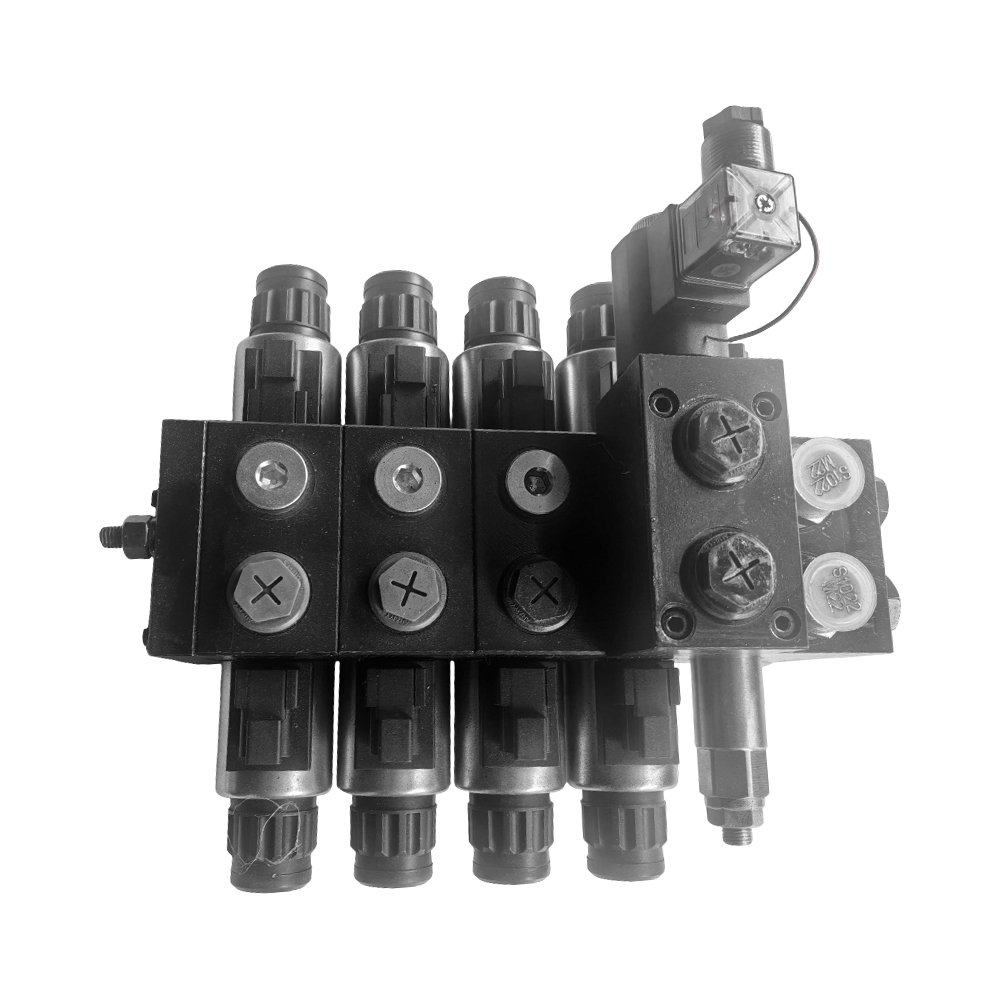
 The inlet and return ports of a solenoid multi-way valve are critical interfaces in a hydraulic system, and their correct installation and use are essential for the normal operation of the system. The following are some points to note regarding the inlet and return ports of a solenoid multi-way valve:
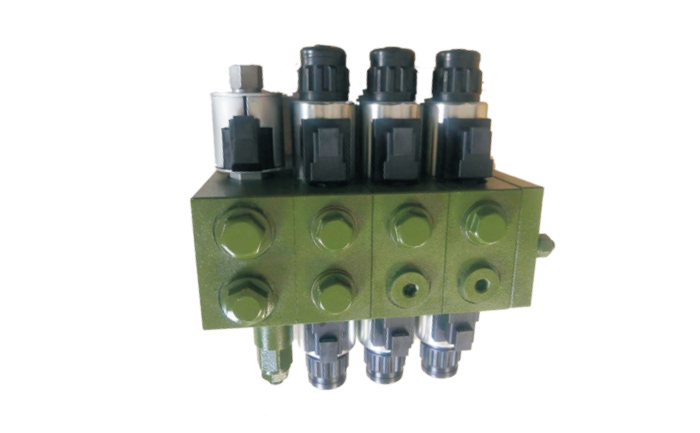
1. Inlet Precautions
**Pressure Matching:** Ensure the inlet pressure is within the rated operating pressure range of the solenoid multi-way valve to avoid valve damage or leakage due to excessive pressure.
**Oil Cleanliness:** The hydraulic oil connected to the inlet must be clean and free of impurities. It is recommended to install a filter in the inlet pipeline to prevent particulate matter from entering the valve body and causing valve core jamming or wear.
**Oil Viscosity:** The viscosity of the hydraulic oil should meet the requirements of the solenoid multi-way valve. Viscosities that are too high or too low will affect the normal operation of the valve.
**Connection Sealing:** The inlet connection must be well-sealed. Use appropriate seals (such as O-rings or gaskets) to prevent leakage.
**Pipeline Layout:** The inlet pipeline should be as short and straight as possible to reduce pressure loss and vibration, and avoid system efficiency reduction due to excessively long or bent pipelines.
2. Return Port Precautions
**Back Pressure Control:** The back pressure at the return port should be as low as possible, generally not exceeding the allowable value of the solenoid multi-way valve. Excessive back pressure will affect the normal switching of the valve and the stability of the system.
**Unobstructed Return Oil Line:** The return oil line should be kept unobstructed, avoiding blockages or excessive bends to ensure smooth hydraulic oil return to the tank.
**Oil Temperature Control:** The oil temperature at the return port should be controlled within a reasonable range to prevent hydraulic oil deterioration or valve seal aging due to excessive heat.
**Tank Design:** The return port should be connected to an appropriate location in the tank to prevent direct impact of returning oil on the tank surface, which could cause bubbles or noise.
**Leakage Handling:** The return port connection should be well-sealed to prevent leaks. If a leak is detected, the seals should be inspected and replaced immediately.
**3. General Precautions:**
**Clear Marking:** The inlet and return ports should be clearly marked to avoid reversed connections that could cause system malfunction.
**Regular Inspection:** Regularly check the connections of the inlet and return ports to ensure there are no loose connections, leaks, or damage.
**System Compatibility:** The dimensions of the inlet and return ports should match the system piping to avoid insufficient flow or pressure loss due to size mismatch.
** Installation Direction: Some solenoid multi-way valves have specific installation requirements for the inlet and return ports. Installation must be performed correctly according to the instruction manual.
4. Troubleshooting
Inlet Problems: If the system pressure is insufficient or the valve malfunctions, it may be due to inlet blockage, filter blockage, or insufficient inlet pressure.
Return Port Problems: If the system back pressure is too high or return flow is poor, it may be due to a blocked return line, improper return port connection, or an inadequate tank design.
Summary
The inlet and return ports of a solenoid multi-way valve are crucial interfaces in a hydraulic system. Their correct installation and use directly affect the system's performance and reliability. By paying attention to pressure matching, oil cleanliness, sealing, and piping layout, system failures can be effectively avoided, ensuring the long-term stable operation of the solenoid multi-way valve.
Recommended Products

Contact Info.
+86-159 9623 5291
No. 5, Chuangye Road, Niandou Industrial Park, Ma'anshan City, Anhui Province, China
MOBILE QR CODE

 English
  Español