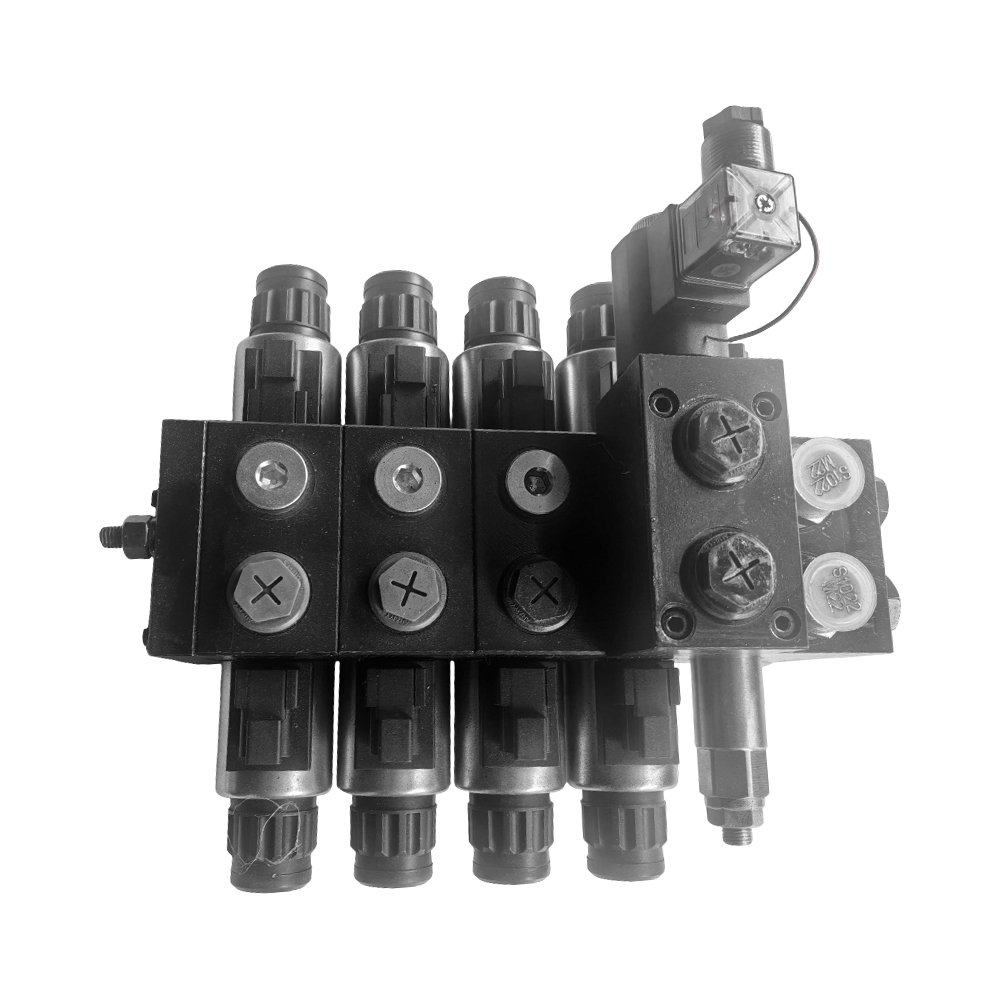
Direct Conclusion: Hydraulic braking systems under high-load conditions (GVWR up to 80,000 lbs) achieve line pressures of 1200-1800 psi with brake fluid temperatures reaching 150-200°C. Stopping distance increases 15-25% compared to standard loads but maintains 0.3-0.5g deceleration. Corrosion resistance: 500+ hours salt spray testing per ASTM B117 with zinc-nickel plated components. Sealing performance: EPDM or fluorocarbon seals maintain integrity from -40°C to 150°C with <0.1mL leakage per 1000 cycles.
Hydraulic braking systems transfer force from pedal to wheel brakes using incompressible brake fluid. Performance under extreme conditions—heavy loads, repeated braking, corrosive environments—determines system reliability for commercial vehicles, off-highway equipment, and industrial machinery. For complete specifications and system sizing guides, refer to the hydraulic braking system product catalog.
High-Load Operating Performance Parameters
Under high-load conditions (vehicle at or near maximum gross vehicle weight rating), hydraulic braking systems experience elevated pressures, temperatures, and component stress. Performance metrics are based on SAE J2522 and FMVSS 121 testing protocols.
High-Load Thermal Management
Repeated high-load braking generates significant heat that degrades brake fluid and components. Hydraulic systems manage thermal stress through:
- Fluid specification: DOT 5.1 or DOT 4 with dry boiling point >260°C and wet boiling point >180°C. DOT 3 fluids (dry boiling point 205°C) are unsuitable for high-load applications.
- Component design: Vented brake rotors and calipers with cooling fins reduce pad temperature by 40-60°C compared to solid rotors.
- Fluid volume: High-load systems require larger master cylinder reservoirs (400-600mL versus 200-300mL standard) to increase thermal mass.
- Warning indicators: Brake temperature sensors (thermocouple type) trigger derating or cooling requests when fluid exceeds 180°C.
Corrosion Resistance in Harsh Environments
Hydraulic braking systems operate in environments with road salt, moisture, industrial chemicals, and high humidity. Corrosion resistance is achieved through material selection and surface treatments.
Component Corrosion Protection Standards
| Component |
Material / Coating |
Salt Spray Hours (ASTM B117) |
Field Life (years) |
| Brake caliper housing |
Gray iron + zinc-nickel plate (8-12µm) |
500-700 hours |
8-10 years |
| Brake lines (steel) |
Terne coating or polymer-coated |
1000+ hours |
10-12 years |
| Brake lines (copper-nickel) |
CuNi (90/10 or 70/30) |
2000+ hours (no coating) |
15-20 years |
| Master cylinder bore |
Aluminum with hard anodize (50µm) |
400 hours |
8 years |
| Brake fittings and banjo bolts |
Zinc flake coating (Geomet 360)750 hours10 years |
Sealing Performance in Harsh Conditions
Hydraulic brake seals must maintain integrity across wide temperature ranges while resisting brake fluid, road salts, and atmospheric ozone. Seal failure is the leading cause of hydraulic brake system leaks (68% of warranty claims).
Seal Material Compatibility and Temperature Range
- EPDM (Ethylene Propylene Diene Monomer): Standard for DOT 3, 4, 5.1 brake fluid. Temperature range: -45°C to +120°C continuous, 140°C intermittent. Swell in fluid: 5-10% (seals tighten with age - beneficial). Resistance to salt spray: excellent (no degradation after 1000 hours).
- FKM / FPM (Fluorocarbon / Viton): High-temperature version for severe duty. Temperature range: -30°C to +200°C continuous, 220°C intermittent. Higher cost (3-4x EPDM). Resists DOT 5 silicone fluid and mineral oils. Lower cold temperature performance; not recommended below -25°C.
- HNBR (Hydrogenated Nitrile): Alternative for aggressive chemical environments. Temperature range: -40°C to +150°C. Superior abrasion resistance for caliper piston seals under high-load cycling. Service life: 10+ years compared to 7-8 years for EPDM in same application.
Seal Leakage Test Results per SAE J2312:
- Static seal (no pressure): 0 mL leakage after 1000 hours at 100°C
- Dynamic cycling (5 million cycles, 0-1500 psi): EPDM ≤0.05mL; FKM ≤0.03mL; HNBR ≤0.02mL
- Low temperature (-40°C, 1500 psi): All materials maintain seal with <0.1mL leakage
- Corrosive environment (salt spray + 120°C): 20% increase in leakage after 500 hours - replace seals at 600 hour intervals for off-highway equipment
Harsh Environment Protection Features
For equipment operating in marine, mining, chemical plant, or winter road salt environments, hydraulic braking systems incorporate additional protection:
- Boot and dust cover design: Caliper piston boots with double lip seals exclude contaminants. Tested to ISO 6119: no moisture ingress after 500 hours of spray testing.
- Breather protection: Master cylinder reservoir cap includes hydrophobic membrane (PTFE, 0.2µm pore) preventing water entry while allowing pressure equalization.
- Drain ports: Caliper housings with 2mm diameter weep holes at lowest point allow collected moisture to exit before freezing.
- Galvanic compatibility: Use of aluminum/steel transition fittings with insulated washers prevents bimetallic corrosion (potential difference <0.25V in salt water).
- Environmental certification: IP69K rating available for high-pressure washdown environments (food processing, agricultural equipment).
Maintenance Intervals for Corrosive Environments
Recommended service schedule for harsh environments (coastal, road salt, chemical exposure):
- Brake fluid flush: Every 12 months (versus 24 months for normal conditions). Moisture content must remain below 3% - test with electronic brake fluid tester.
- Seal inspection: Every 2000 operating hours or 12 months. Replace any seal with visible cracking (flex test) or surface hardening.
- Caliper slide pin lubrication: Every 12 months with high-temperature ceramic grease (silicone-based for marine use).
- Brake line inspection: Every 6 months for steel lines (corrosion check at mounting clips). Replace copper-nickel lines every 10 years regardless of condition.
For application-specific recommendations including custom seal materials, corrosion protection packages, and high-load brake sizing, consult the engineering team. Standard hydraulic braking system configurations support vehicles up to 80,000 lbs GVWR with -40°C to +80°C ambient operation. Systems with IP69K and 1000-hour salt spray certification available for severe-duty applications (mining, marine, snow removal).

 English
  Español